What Is the Best Operator in Rainbow Six Siege? (2026)
If you want one dependable attacker, start with Ace. His S.E.L.M.A. Aqua Breacher opens reinforced surfaces, and his loadout gives him a flexible way to take fights. On defense, Mute is a strong all-around utility pick, while Rook is an especially forgiving choice for a newer player. There is no single best operator for every round: the right pick depends on the bomb site, your team’s missing role, and how you plan to help the team.
This is a role-based recommendation, not an official Ubisoft tier list or a claim that one operator has the highest win rate. Ubisoft’s operator roster and balance updates change over time. The recommendations below reflect the Year 11 information available on October 16, 2026; check the live patch and operator details in your game before treating any seasonal ranking as permanent.
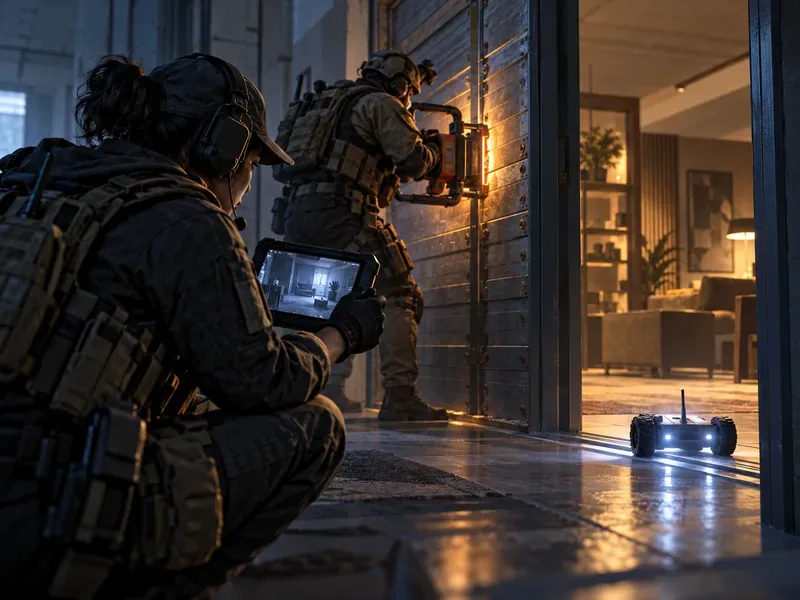
Quick answer: best operators by role
| What your team needs | Strong pick | Why it fits |
|---|---|---|
| Flexible attacking pick | Ace | Reliable hard breach for reinforced walls, with a flexible loadout. |
| Large reinforced-wall opening | Thermite | Use him when your plan depends on making a broad opening in a key wall. |
| Electronic disruption | Thatcher | His current E.G.S. Disruptor detects electronic devices through obstructions and disables them with an EMP blast. |
| Simple soft-breach attack | Sledge | His hammer creates openings in non-reinforced surfaces without elaborate setup. |
| Flexible defensive utility | Mute | Signal disruption can interfere with attacker information and electronic utility around the site. |
| Easy defensive team support | Rook | Place the armor pack early so teammates can collect its protection. |
| Projectile protection | Jäger | His Active Defense System destroys incoming projectiles within its coverage. |
Why the best operator depends on the round
Rainbow Six Siege is built around jobs and counters. Attackers need to gather information, remove defender utility, open a route, and take space. Defenders need to shape the site, protect important gadgets, slow the push, and deny the plant. A strong weapon helps, but an operator can be more valuable because of a gadget that solves the round’s main problem.
Before you lock in, check four things:
- Side and site: A reinforced wall or hatch may make hard breach essential; a narrow doorway can reward traps or area denial.
- Team composition: Avoid duplicating a role when the lineup still lacks hard breach, anti-gadget utility, or information.
- Map plan: Vertical play, long sightlines, and tight rooms favor different tools.
- Your comfort level: A simple gadget you use at the right time often adds more than a complex pick you do not understand yet.
Best attacking operators in 2026
Ace: the safest all-around attacker
Ace is the most straightforward answer when someone asks for the best attacker in Rainbow Six Siege. His S.E.L.M.A. devices can breach reinforced walls and hatches, and Ubisoft lists breach and anti-gadget among his specialties. That combination makes him a useful default when the team needs to create an entry point. He is not a substitute for planning: defenders can protect a wall, and a breacher may need a teammate to clear or disable the equipment stopping the charge.
Thermite or Hibana: choose for the opening you need
Thermite is a sensible choice when the attack depends on a large opening in a reinforced wall. Hibana is useful when the plan calls for more flexible, smaller breaches or reinforced hatches. These operators do not make Ace obsolete; they give the team different ways to solve the site. Pick the breacher that matches the surface and approach your squad intends to use.
Thatcher: current anti-gadget support
Older guides describe Thatcher mainly through his EMP grenades. Ubisoft’s current operator page describes his reworked E.G.S. Disruptor: it can detect enemy electronic devices through obstructions and deactivate them with an EMP blast. That makes Thatcher a support pick for clearing electronic defenses and helping a breacher do their job. He is most useful when the lineup and site plan give his disruption a clear target.
Ash and Sledge: entry and soft destruction
Ash is a fast front-line attacker with ranged soft-breach rounds, so she can remove certain obstacles and pressure defenders without taking the breacher’s role. She rewards players who can judge when to enter and when to wait for the team. Sledge is an easier way to learn soft destruction: his hammer opens non-reinforced walls and floors. Neither operator opens reinforced walls with that ability, so do not treat either as your only hard-breach plan.
Best defending operators in 2026
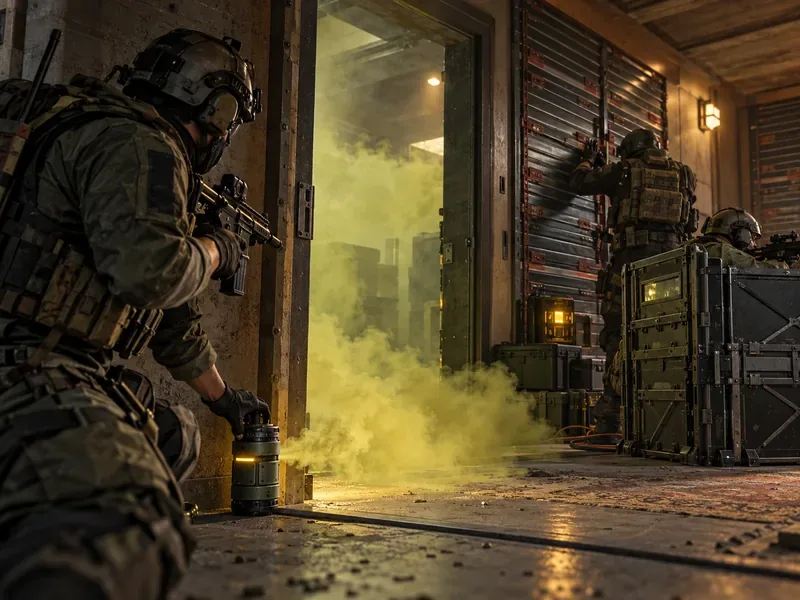
Mute: a dependable utility-focused defender
Mute is a strong general-purpose defender when the team needs to contest attacker information or electronic gadgets. His Signal Disruptors can be set up during preparation, letting you contribute before the first gunfight. Placement matters: cover the parts of the site that matter to your setup, and coordinate with teammates when another operator is responsible for a specific wall-denial job. Mute is a flexible pick, but he cannot cover every defensive task by himself.
Jäger: protect the setup from projectiles
Jäger’s Active Defense System destroys incoming projectiles, helping protect teammates and defensive gadgets from explosive or thrown utility. He is a practical choice when the attackers can clear the site with repeated projectiles. Place the devices where they protect a useful area, then play the position that suits your team; do not assume the gadget makes a site safe from every kind of attack.
Smoke: strong late-round denial with a learning curve
Smoke can use remote gas grenades to block an entry or interrupt an execute, which makes him valuable when the defense needs to control timing near the objective. His value depends on restraint: spend the gas when it can stall a push or protect a plant denial, rather than using it automatically at the first sound. He is a powerful pick for a player who understands the site and round clock, but he is not the simplest first defender.
Rook: the easiest high-impact support choice
Rook is a reliable beginner pick because his armor pack offers team utility that is simple to use. Put it down early and let teammates collect it, then focus on learning angles, sound cues, and safe positioning. This does not mean Rook is always the best defender; if the team has no anti-projectile utility or needs to deny a key entrance, another operator may fill a more urgent gap.
Best operators for beginners
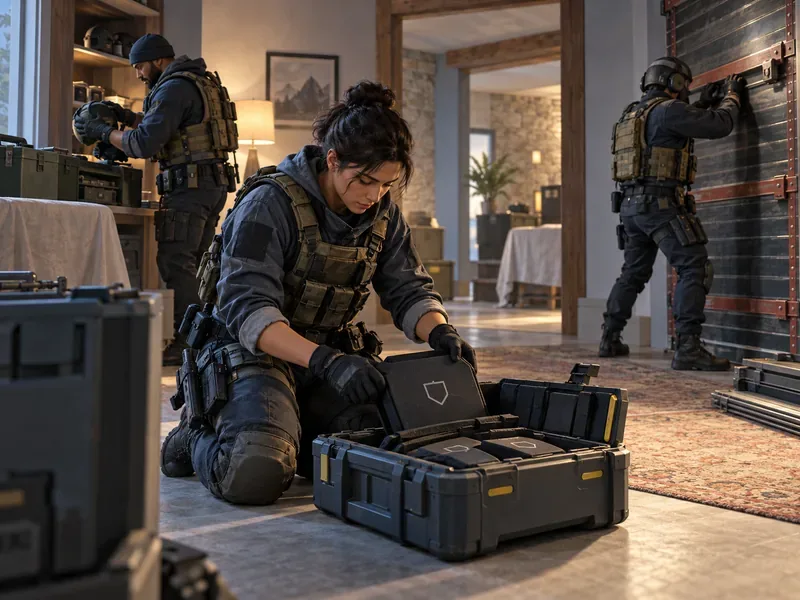
If you are learning the game, try Sledge on attack and Rook on defense. Sledge teaches you to read soft walls and floors and create new lines of sight. Rook gives you an easy preparation-phase task, after which you can concentrate on aim and positioning. Add Ash if you want to practice front-line entry, but remember that moving quickly without a drone or teammate can expose you to defenders holding an angle.
Once those basics feel comfortable, learn one hard breacher and one defensive utility operator. Ace is a useful next attacker to understand because his gadget directly supports the team’s site-entry plan. Mute or Jäger gives you two different defensive lessons: denying electronics versus managing incoming projectiles.
How to make the right pick in ranked or solo queue
- Find the missing job. On attack, check whether anyone can open the reinforced route. On defense, check for wall denial, projectile protection, and a plan to slow the final push.
- Match the pick to the site. Choose a gadget that affects the actual entry points, walls, hatches, or approaches your team expects to play around.
- Pick a backup main. Bans, team picks, and updates can take your first choice away. Learn a second operator who fills a similar job.
- Use your gadget before it is too late. Place passive setup gadgets during preparation, keep a drone alive when possible, and save round-ending utility for the moment it can change the execute.
In solo queue, Ace is especially easy to justify because he can bring an important team capability even when coordination is limited. That is not a promise that he will win more rounds on his own. If teammates already selected hard breach, choose a complementary role instead of adding another copy of the same tool.
What changed in the 2026 operator meta?
Balance advice can age quickly. Ubisoft’s Year 11 schedule includes regular balancing updates, and its October 13, 2026, Y11S3.2 notes list adjustments for Noor, Tachanka, Solid Snake, Valkyrie, Capitão, Clash, Osa, fire damage, and barbed wire. Those notes describe the announced patch changes; confirm their live status in your game before relying on a specific interaction. Ubisoft also publishes platform-specific win-delta, presence, and ban data in its Designer’s Notes. Those figures can help explain competitive trends, but they are not a universal answer for every map, rank, platform, or player.
For that reason, use this Rainbow Six Siege operator guide as a role-based starting point rather than a permanent S-tier list. If an update changes a gadget, re-check the official operator page and patch notes before repeating an older tip.
Frequently asked questions
Who is the best operator in Rainbow Six Siege overall?
There is no official all-purpose winner. If you want one broadly useful attacker, Ace is a strong default because hard breach is often valuable and his gadget can open reinforced surfaces. The best defender depends more heavily on site and team setup; Mute, Jäger, Smoke, and Rook solve different problems.
Who is the best operator for solo queue?
Ace is a reasonable solo-queue attack pick because he can bring hard breach without requiring a specialized entry role. On defense, Rook offers simple team support, while Mute or Jäger can contribute utility if you know where to place their gadgets.
What is the easiest operator for a new player?
Rook is one of the simplest defenders to use because you can place his armor pack early and then focus on fundamentals. Sledge is a straightforward attacker for learning soft breach. Both still require good positioning and teamwork.
Is Thatcher still an EMP operator?
His role remains anti-gadget, but Ubisoft’s current operator page describes the E.G.S. Disruptor, which detects electronic devices through obstructions and disables them with an EMP blast. Check the live operator page for any subsequent changes.









