What Is Diablo 4 About? A Plain-English Guide to Its Story and Gameplay (2026)
Diablo 4 is an online, dark-fantasy action RPG set in Sanctuary. You create a hero, fight demons, follow a campaign that begins with Lilith’s return, and collect equipment to shape a stronger build. In everyday play, that means exploring a connected world, clearing groups of monsters, using class skills, and deciding how much time you want to spend improving your character after the story.
The short version: Diablo 4 combines a grim fantasy story with fast combat and a long-running loot chase. The base campaign focuses on Lilith; the expansions continue the larger conflict with Mephisto. You can play much of the adventure on your own, but the game requires an internet connection and a Battle.net account.
Diablo 4 at a glance
| Question | Plain-English answer |
|---|---|
| What kind of game is it? | An action role-playing game, often shortened to ARPG, played from an overhead view. |
| Where does it take place? | Sanctuary, a dark fantasy world caught between the High Heavens and the Burning Hells. |
| What is the main story about? | The base campaign follows a wanderer drawn into the aftermath of Lilith’s return. |
| What do you do most? | Fight enemies, complete quests and dungeons, improve your gear, and tune your character’s skills. |
| Can you play offline? | No. Diablo 4 requires an internet connection and a Battle.net account. |
| How many classes are there? | There are eight across the base game and its two expansions, but some classes require an expansion. |
What is the Diablo 4 story about?
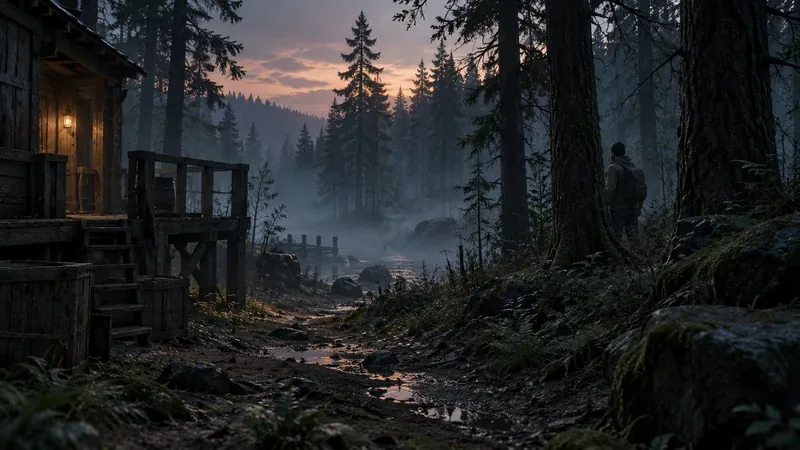
The base-game story takes place in Sanctuary, the mortal world created by the angel Inarius and the demon Lilith. Lilith returns after a long exile, and the player’s character—known in the story as the Wanderer—is pulled into the danger surrounding her influence. The campaign is about ordinary people trying to survive a conflict shaped by powerful supernatural forces. Its tone is bleak and gothic, with themes of faith, corruption, family, and the cost of choosing a side.
You do not need to know every earlier Diablo plot point to follow the central premise. Blizzard describes the story as a new saga that can welcome newcomers as well as longtime players. Earlier games add background, but Diablo 4 introduces its main characters and conflict as you play. For the official story overview, see Blizzard’s Diablo IV story feature.
Lilith is the central threat in the base campaign, but she is not the focus of every chapter released for Diablo 4. Vessel of Hatred carries the story forward, and Lord of Hatred turns the conflict toward Mephisto, the Lord of Hatred, in the region of Skovos. As of October 2026, both expansions have been released. The official Lord of Hatred overview explains what that expansion adds.
How Diablo 4 plays
Diablo 4 uses an overhead, isometric-style camera. You move through the world in real time, aim attacks and abilities at enemies, and face everything from small packs of monsters to large bosses. The controls are straightforward to learn, while the challenge comes from choosing when to attack, managing your character’s abilities, and building around the gear you find.
That rhythm is the heart of the Diablo 4 gameplay loop: defeat enemies, earn experience and equipment, improve your character, and take on tougher challenges. Loot is more than a score number. Weapon and armor bonuses can influence your damage, defenses, and the way a skill or build works, so two characters of the same class can feel quite different.
The world is made of connected regions rather than a sequence of separate campaign levels. You can follow the main quests, take optional side quests, explore towns and strongholds, enter dungeons, and join open-world activities such as Helltides. You may encounter other players in shared areas or team up for activities, but much of the campaign can be approached at your own pace. This is not an offline single-player game: an internet connection is required.
Diablo 4 classes: what can you play?
Your class sets your character’s broad combat style. Each one has its own skills and build options, and you can adjust your approach as you gain levels and equipment. The roster below reflects the base game and expansions available in October 2026.
| Class | Typical play style | Access |
|---|---|---|
| Barbarian | A weapon-focused fighter built for close-range combat. | Base game |
| Druid | Nature magic and shapeshifting, with flexible ways to fight. | Base game |
| Necromancer | Dark magic and undead forces. | Base game |
| Rogue | A mobile fighter who can favor ranged attacks or close combat. | Base game |
| Sorcerer | Elemental magic and powerful ranged spells. | Base game |
| Spiritborn | A fast, spirit-guardian-based fighter introduced in Vessel of Hatred. | Vessel of Hatred expansion |
| Paladin | An armored sword-and-shield fighter who channels the Light. | Lord of Hatred expansion |
| Warlock | A dark caster who wields demonic powers against Hell’s forces. | Lord of Hatred expansion |
If you are choosing a first character, start with the fantasy that sounds fun rather than searching for a universally “best” class. You can make a sturdy melee fighter, cast spells from a distance, or lean into summons and mobility. The official Diablo IV site describes the current classes, while its Vessel of Hatred page covers the Spiritborn expansion.
What happens after the campaign?
Finishing a campaign does not end the game. Diablo 4’s endgame gives you harder activities, more equipment to pursue, and additional ways to refine a build. The exact systems and rewards can change with major updates, so guides written for an older patch may describe skills or item rules that have since changed. Blizzard’s 2026 update, for example, introduced broad skill-tree and itemization revisions alongside Lord of Hatred.
There are also two ways to continue with characters. The Eternal Realm is for continuing long-term character progression, while a Seasonal Realm offers a fresh start and season-specific progression and rewards. A season can give experienced players a reason to create another character; new players can first focus on learning the story and basic systems. The current endgame activities and season rules are outlined in Blizzard’s official expansion and season overview.
Is Diablo 4 a good fit for a new player?
Diablo 4 is a natural fit if you like dark fantasy, quick battles, character customization, and collecting gear that changes how your hero performs. Its moment-to-moment goals are easy to understand, and you can learn the deeper build systems gradually. It is less suitable if you want a fully offline adventure or a story game with little repeated combat and equipment management.
For a first run, follow the campaign and try optional activities when they interest you. You do not need to optimize every piece of gear from the start. Pay attention to what your class’s skills do, equip items that support the style you enjoy, and revisit your build as new equipment changes your options. If you later want more campaign chapters or additional classes, check which content is included with the base game and which requires an expansion.
Diablo 4 FAQs
Do I need to play earlier Diablo games first?
No. Familiarity with the series adds context, but Diablo 4 sets up its own campaign and introduces the main characters and conflict. You can start here without completing the previous games.
Can Diablo 4 be played solo?
You can play much of the campaign on your own, but Diablo 4 still requires an internet connection and a Battle.net account. Other players can appear in shared areas, and some activities are designed to support cooperation.
Is Diablo 4 free to play?
No. Diablo 4 is a paid game, and its story expansions are separate paid content unless included in a bundle. Store editions and prices can vary by platform and region, so check the official game page for current purchase details.
How many Diablo 4 classes are available?
There are eight classes across the base game, Vessel of Hatred, and Lord of Hatred. The base game includes Barbarian, Druid, Necromancer, Rogue, and Sorcerer. Spiritborn requires Vessel of Hatred; Paladin and Warlock are included with Lord of Hatred.
In short: Diablo 4 is a dark-fantasy ARPG about fighting to protect Sanctuary, customizing a hero, and chasing stronger gear. The base story starts with Lilith; the expansions extend the saga and class roster, while seasonal and endgame activities provide a continuing reason to return.