How to Fix Street Fighter 6 Slow Motion Gameplay on PC
Fix Street Fighter 6 slow motion on PC by checking frame rate, lowering graphics, selecting the right GPU, and verifying game files in a safe order.
For clearer Marvel Rivals team fights, keep the important HUD information easy to read, make your reticle visible against bright effects, and reduce only the visual effect that is distracting you. A single global HUD opacity percentage is not documented in the official materials I checked. The more useful verified option is the Team-Up visual-effects toggle, added in the July 23, 2026 update: it changes what appears on your own screen and can be configured across heroes or individually. It does not change what teammates or enemies see.
| Control | Practical starting point | What to check |
|---|---|---|
| Overall HUD opacity | Keep core information at the default or fully readable level. I could not verify a global opacity slider or an official best percentage. | Can you still read health, abilities, and other information you rely on during a fight? |
| Reticle opacity | If your reticle editor offers an opacity control, start near fully opaque. Adjust only if the reticle itself blocks your target. | Can you keep sight of the reticle over bright ultimates, pale walls, and dark characters? |
| Team-Up visual effects | Turn them off locally only if the glow or effect is distracting; use the per-hero option where available. | Does the change make silhouettes easier to track without removing a cue you use? |
These are starting recommendations, not developer-published competitive presets. A number that works on one display, hero, or color-vision setup may be uncomfortable or too faint on another.
Opacity changes how solid or transparent a visual element looks. The phrase “HUD opacity” can mean the whole interface, a specific panel, or only the aiming reticle. Those are different controls. Marvel Rivals’ official Version 20250221 patch notes confirm reticle customization, but the notes do not publish an overall HUD-opacity control, a numeric range, or a recommended value. So do not assume that lowering reticle opacity will fade health bars, ability icons, or battlefield effects too. See the official reticle customization patch notes.
Verified update: Version 20260723 added a setting to enable or disable Team-Up visual effects on your own screen, either for all heroes or within individual hero settings. The official notes say the setting affects your local view; teammates and enemies still see the effects from their perspectives. This is a Team-Up visual-effects control, not a master transparency slider for the full HUD. Read the official Version 20260723 patch notes.
What remains uncertain: The official patch notes do not identify the exact menu path or list every visual element affected by the toggle. Menu labels and locations may vary by input method or later updates. Open Settings and inspect the universal and hero-specific settings for the Team-Up visual-effects option; if it has moved, search the relevant Keyboard or Controller categories for “Team-Up.”
Your reticle is the aiming marker at the center of the screen. A very transparent reticle may blend into a bright healing effect, an explosion, or a pale part of the map. If your current reticle editor exposes opacity, move it toward full opacity first, then test its color, outline, and size separately if those controls are available. The goal is a reticle you can find quickly without covering the small part of the target you need to see.
If the marker disappears against one background but stands out against another, opacity alone may not be the problem. Try a contrasting reticle color or outline instead of making the marker larger. Make one change at a time so you can tell whether visibility improved. There is no official Marvel Rivals opacity value that guarantees the best result for every map and display.
If a bright Team-Up effect around your own hero pulls your attention away from enemies, try disabling that effect in your local view. The July 2026 patch allows a universal choice or a hero-specific choice. Start with a per-hero change when the effect is distracting only on one character. Keep it enabled on heroes where the visual cue helps you recognize a state or coordinate your timing.
To compare it fairly, use the same hero and similar situations before and after the change. Watch whether you can track enemies more consistently and still notice information that matters to your play. If turning an effect off makes a useful cue harder to read, turn it back on for that hero. This toggle is not a promise that every ability animation or ultimate will disappear; it is limited to the Team-Up visual effects described in the patch notes.
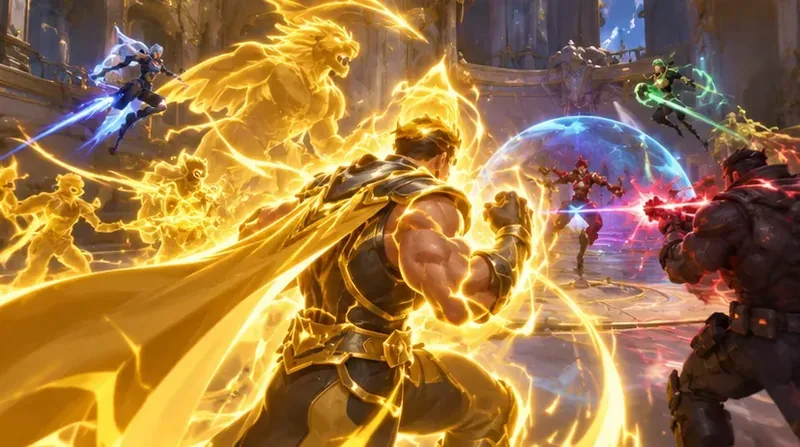
A useful result is not simply a cleaner-looking screen. You should be able to locate targets, keep your aim point in view, and read important status information without the interface fading into the effects. If the screen looks calmer but you miss an ally’s status or lose your reticle, the setting has gone too far.
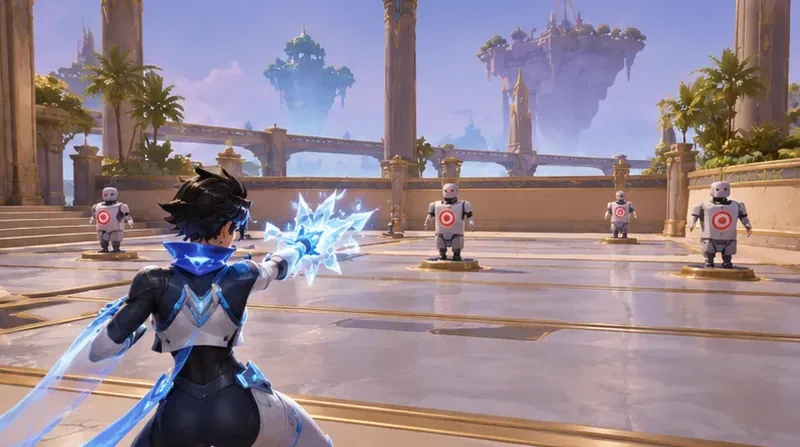
There is no official universal number in the materials checked for this article. Opacity affects the specific element tied to its control, and a reticle setting should not be confused with a global HUD setting. Start with a readable HUD and tune the reticle or Team-Up effects separately.
The official patch notes say the change applies to your screen. Other players continue to see the effects. Use the toggle to adjust your own visual load, not to change the team’s shared gameplay information.
Making a panel more transparent can uncover more of the scene, but it can also make text and icons harder to read. Keep core information legible. If the reticle is hard to see, raise its opacity or change its contrast instead of fading the rest of the interface.
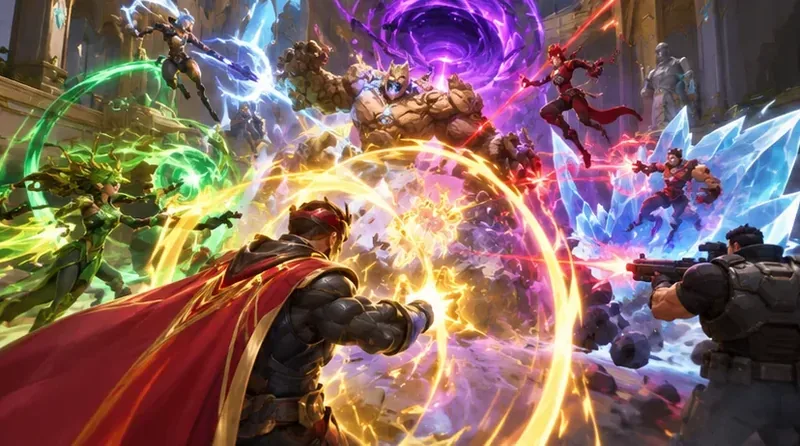
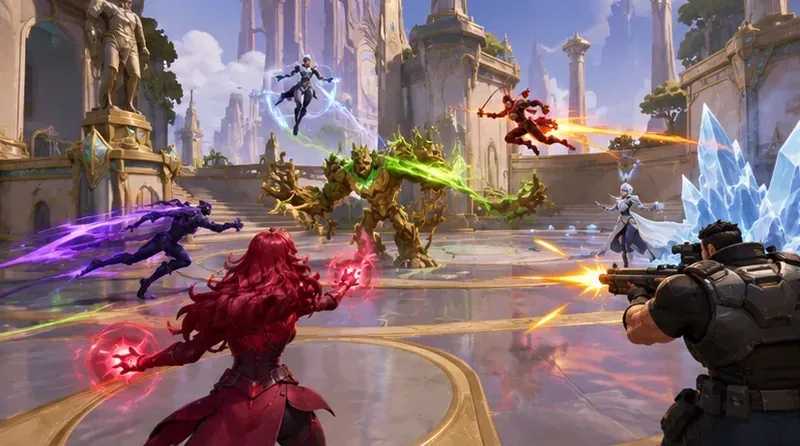
The four gameplay scenes are representative illustrations rather than authentic Marvel Rivals screenshots. They do not show real settings, measured opacity values, or experimental before-and-after results.
Fix Street Fighter 6 slow motion on PC by checking frame rate, lowering graphics, selecting the right GPU, and verifying game files in a safe order.
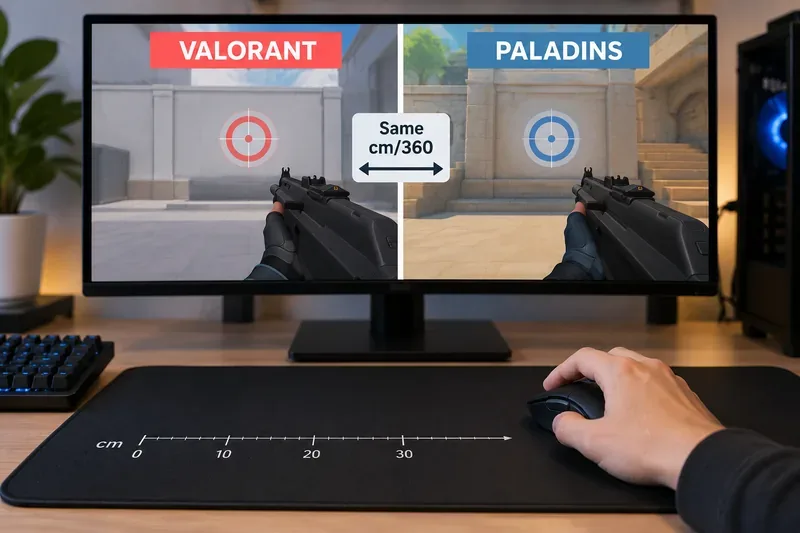
Convert VALORANT sensitivity to Paladins with a practical 7.65× starting ratio at the same DPI, then verify the result with cm/360 for a reliable match.
Use Advanced drone deployment in Rainbow Six Siege, choose a prep-phase transition, and pair fresh intel with a controlled entry routine.
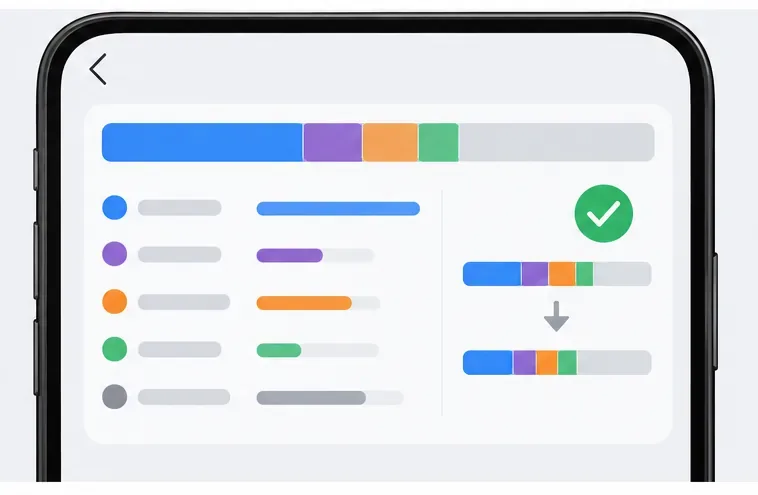
Free up Mobile Legends storage safely. Learn the difference between cache and game resources, clear Android cache, check iPhone options, and avoid deleting account data.
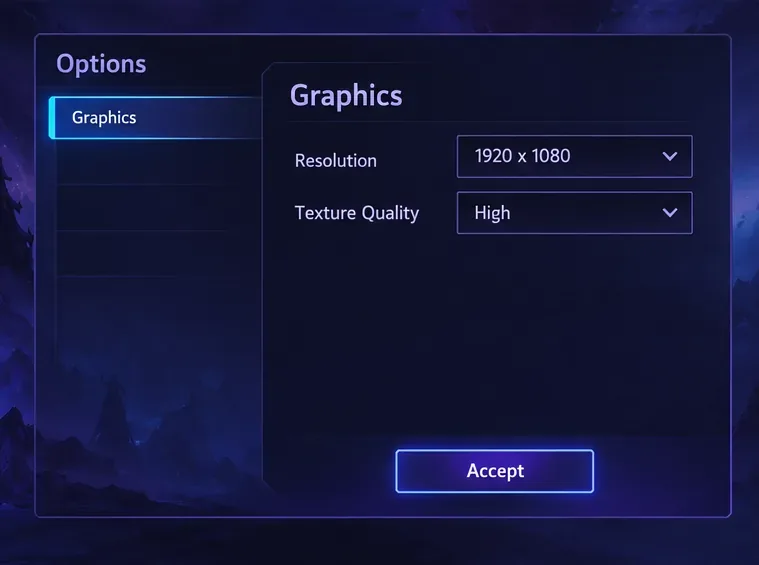
Learn which Heroes of the Storm Variables.txt frame-cap edits are worth testing, when lowering graphics matters more, and how to verify results safely.
Turn off Street Fighter 6 match commentary before your next fight, or compare it with changing the commentator lineup and adjusting audio.
Fix CS2 stuttering on a high-end PC by separating frame-time spikes from network jitter, checking shaders, files, drivers, background apps, and settings.
Check the Siege config’s raw-input setting, disable Windows pointer acceleration if needed, and test aim consistency without changing sensitivity by mistake.
Learn when to use Competitive gameplay, Authentic gameplay, or the older Competitive Master Switch in EA SPORTS FC, with practical settings advice.
Choose StarCraft II camera hotkeys that fit your keyboard, organize base locations, avoid binding conflicts, and test your setup with a practical checklist.