Paladins Killcam and Top Play Options: What You Can Use Now
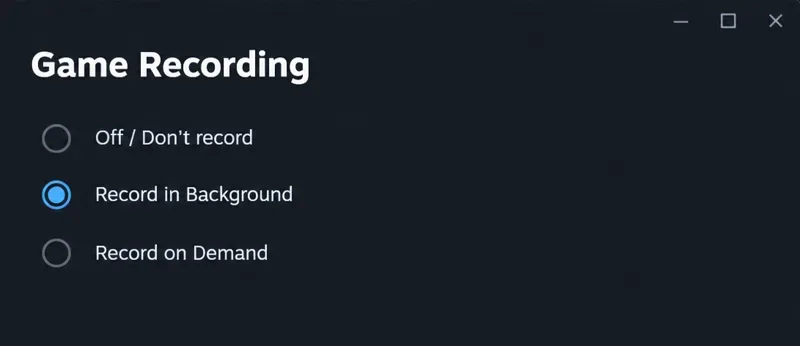
Paladins removed killcam and Top Play. Learn what replaced them and compare practical recording options for reviewing deaths or saving highlights.
Quick recommendation: Start with Dynamic Range: Medium on headphones, or test Low (Night) if you play quietly, use basic speakers, or struggle to pick out quieter cues. Lower in-game music, keep gameplay audio clearly audible, and set your system output to comfortable, undistorted stereo. Rocket League does not offer a dedicated “opponent boost volume” slider. The best result comes from reducing masking sounds and choosing a dynamic-range mix that suits your listening setup.

Checked October 8, 2026. Rocket League v2.66, released March 10, 2026, added an Override Boost Audio option; it does not add a separate opponent-boost volume control.
| Setting or choice | Starting point | Best fit |
|---|---|---|
| Dynamic Range | Medium | Most headphone users and anyone unsure where to start |
| Dynamic Range | Low (Night) | Low-volume play, noisy rooms, or basic speakers |
| Dynamic Range | High (Theater) | High-quality speakers or headphones at a comfortable, higher level |
| Music | Turn down or disable during competitive matches | Players who want fewer sounds competing with gameplay cues |
| Master volume | Set for clear, comfortable listening | Every setup; avoid distortion or unsafe listening levels |
These are starting points, not a universal competitive preset. Epic describes Medium as the default mix and a good headphone choice. Its support guidance says Low makes loud sounds quieter and quiet sounds louder, while High increases the difference between loud and quiet sounds. Those documented behaviors make Medium the sensible baseline for most players, Low the first alternative to try when quieter cues get lost, and High a choice for systems and rooms that can reproduce a wider range cleanly.
Dynamic range means the difference between the game’s louder and quieter sounds. A lower-range mix compresses that difference: loud effects become less dominant and quieter details are easier to hear at low listening levels. High range preserves more contrast. It can make explosive sounds more vivid, but it can also leave subtle cues quieter relative to those peaks.
For boost awareness, Low may help if you play at low volume or through weak speakers. It is not a magic boost enhancer, however. It changes the overall balance, so engine, collision, goal, crowd, and other sounds can also shift in prominence. If Medium already lets you hear the match comfortably through good headphones, keep it unless a controlled comparison shows Low works better for you.
Change the preset in Main Menu → Settings → Audio → Dynamic Range. Menu labels can vary slightly by platform or localization. If you cannot find the option, check the Audio tab and the current in-game support page for your platform.
Music is the easiest sound to remove from the competition for attention. Lower or disable playlist music and gameplay music while playing ranked, especially if a song or Player Anthem overlaps with the moments when you need to listen. Rocket League’s official notes explain that Player Anthem volume is controlled by “Music - Gameplay” in Settings → Audio. If that label is available in your version, reduce it first; playlist music is a separate choice.
Keep gameplay sound audible. It carries more than boost: jumps, landings, ball impacts, demolitions, and nearby cars all help you read a play. Turning the whole game down to remove music can make these cues harder to distinguish. Instead, lower music sources first, then adjust master volume only enough to get clear, comfortable sound.
Do not chase a specific numeric slider value from another player. Headphone sensitivity, operating-system volume, game volume, and any headset software all affect the final level. Set one control at a time, use a consistent match or training situation, and stop if the sound becomes harsh or fatiguing.
Rocket League v2.66 added Override Boost Audio in the Audio tab. The official patch notes say it lets players set the default Standard Boost sound to a Boost they have equipped. The notes also say the option affects in-match audio, not replays or menus, and that other players still hear the sound associated with the equipped Boost.
That option is worth understanding if you are customizing boost audio, but it is not a dedicated control for making every opponent’s boost louder. Do not expect it to create an opponent-only sound channel or guarantee that you can identify every boost activation. Leave it at your preferred setting, then evaluate your overall mix using the Dynamic Range and music controls. If an opponent uses a sound that is difficult for you to distinguish, the game does not provide a documented per-player boost-volume slider to fix that individually.
Start with Medium, the official default. Use a comfortable fit and a stable stereo output. If the room is noisy or the volume must stay low, compare Low. Avoid adding several layers of virtual surround, equalization, and loudness normalization at once: processing varies by headset and can change tonal balance or directional cues. If you use any enhancement, test it against the plain stereo signal and keep it only if you can more reliably hear and locate in-game sounds.
Try Low (Night) when the sound level is low or the speakers are limited; Epic says this preset is designed to keep vital sounds audible in those conditions. Place speakers so they face your seat and keep their output clear of nearby obstructions. High (Theater) is intended for high-volume listening or a high-quality sound system, so it is rarely the first choice for quiet play in a shared room.
This comparison is a practical listening check, not a laboratory test. The exact cue depends on the sound being played, distance, other match audio, the equipped cosmetic, your hardware, and your hearing. Audio can provide useful information, but it should complement visual awareness and game sense rather than replace them.
Paladins removed killcam and Top Play. Learn what replaced them and compare practical recording options for reviewing deaths or saving highlights.
Compare Rocket League’s Dynamic Range presets, reduce music that masks match audio, and learn what the 2026 Override Boost Audio option changes.
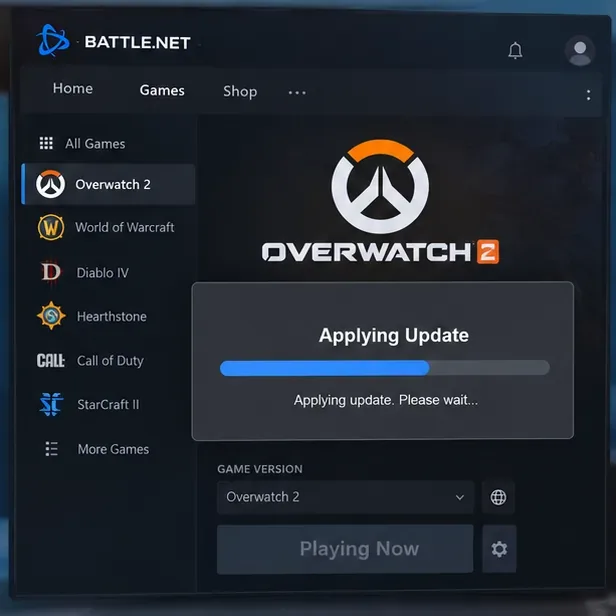
Overwatch 2 stuck on “Applying Update”? Use this current Battle.net troubleshooting order to repair files, clear cache, fix network issues, and avoid unnecessary reinstalls.
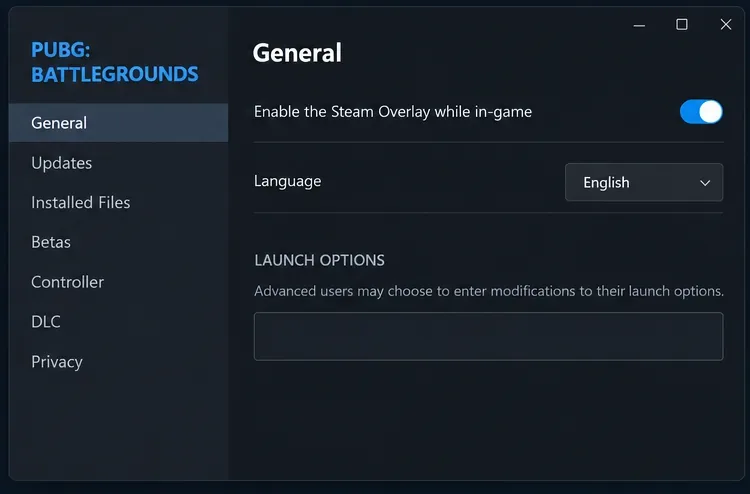
Fix PUBG stuck on Initializing on Steam with targeted checks for server issues, launch options, game files, updates, and your internet connection.
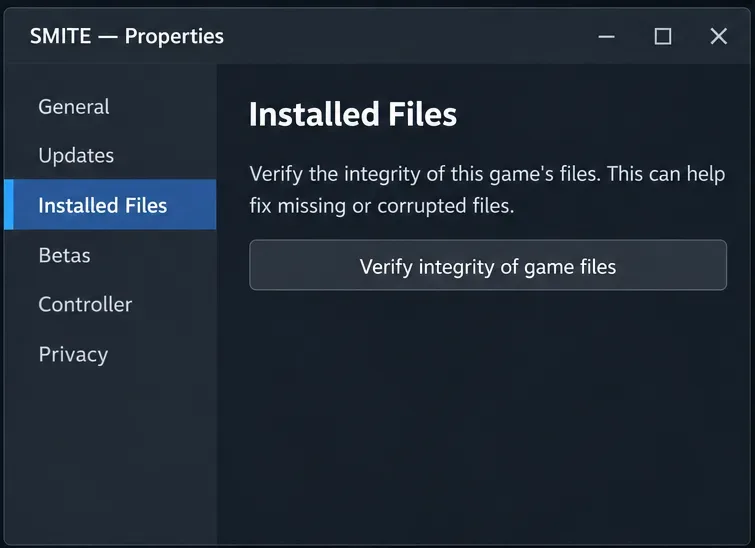
Troubleshoot SMITE’s version vendor mismatch on Steam: check the game entry, finish updates, restart Steam, verify files, and know when to contact support.
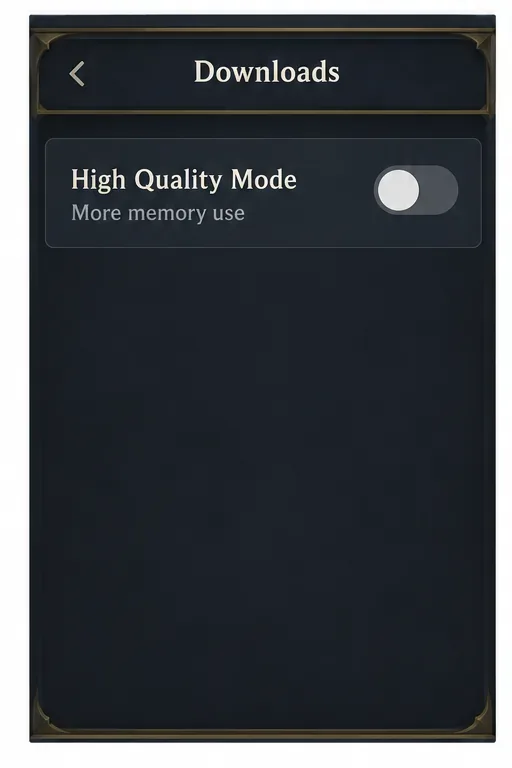
Compare Hearthstone mobile frame-rate settings, High Quality Mode, and phone power options to find a smoother, more stable setup for Android or iPhone.
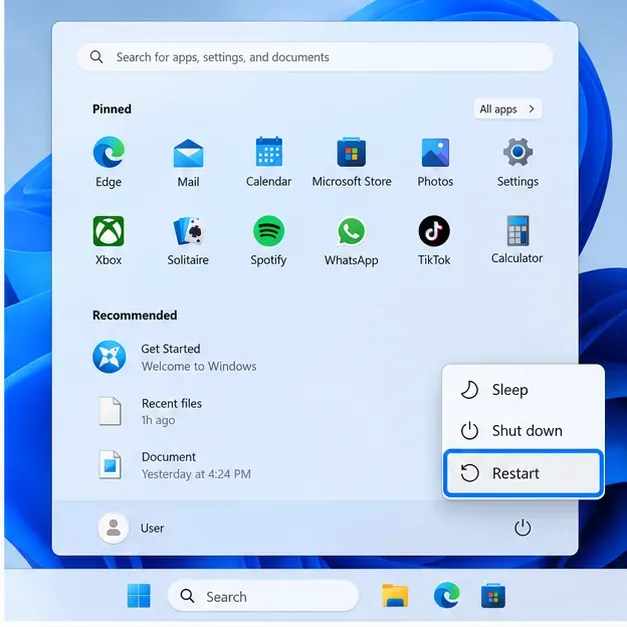
Warzone shader optimization stuck at 0%? Compare the safest fixes for Steam and Battle.net, from waiting at the Main Menu to file repair and clean boot troubleshooting.
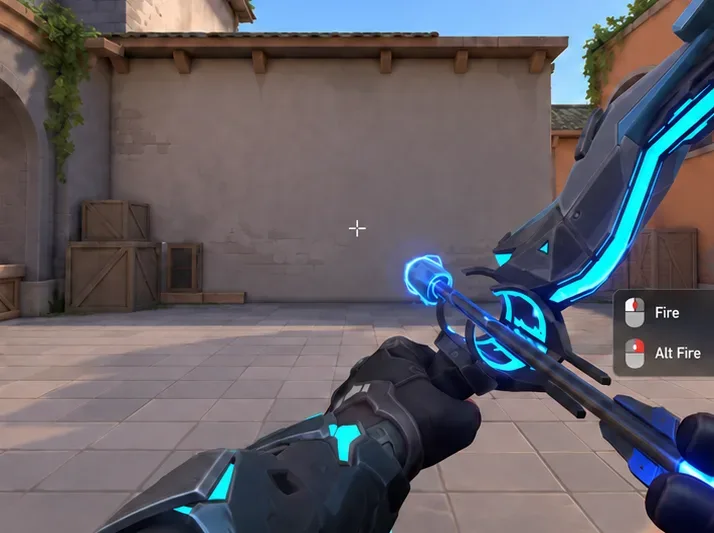
Choose VALORANT ability keybinds that preserve movement and aim, set agent profiles, avoid input conflicts, and test your layout before Competitive.
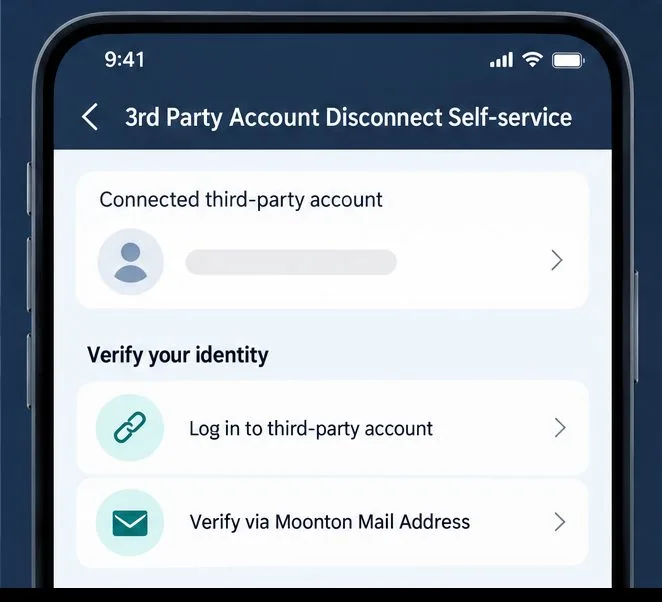
Unlink a third-party account in Mobile Legends through Account Center. Learn the verification options, account safety rule, and how this differs from changing Moonton email.
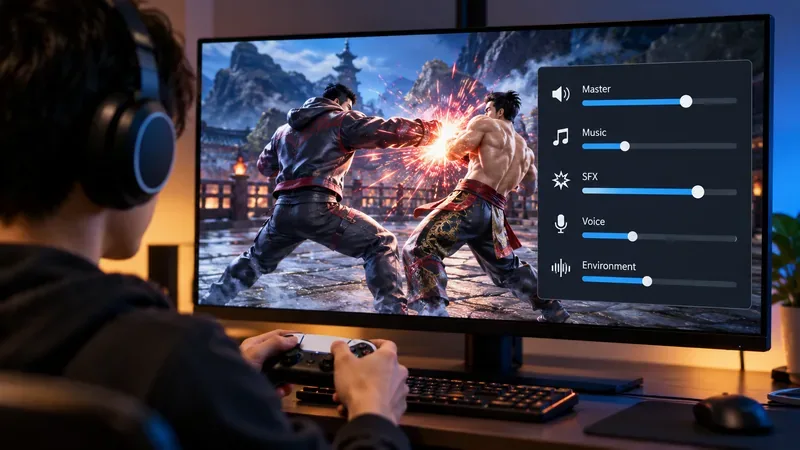
Use a hit-focused Tekken 8 audio mix that keeps impact sounds clear without making music, voices, or stage ambience disappear. Includes a practical starting mix and tuning tips.