How to Bind Camera Position Keys in Dota 2: Save and Revisit Map Locations
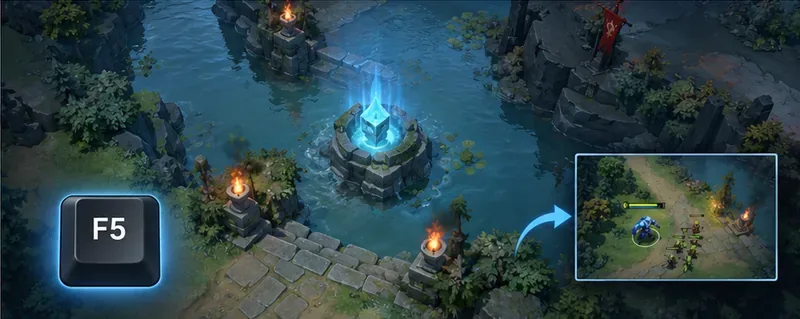
Save Dota 2 camera spots to keys, jump back to lanes or objectives, and troubleshoot missing or conflicting camera position binds.
Imagine diving into your favorite PS5 games from anywhere in your home—or even beyond—without a single stutter or freeze. That's the magic of the PlayStation Portal, but it all hinges on rock-solid Wi-Fi settings. Poor connections turn epic battles into frustrating slideshows, but with the right tweaks, you'll enjoy a smooth PlayStation Portal experience that feels like playing on your console. Ready to transform your setup? Let's dive into the essentials that every gamer needs. 🎮
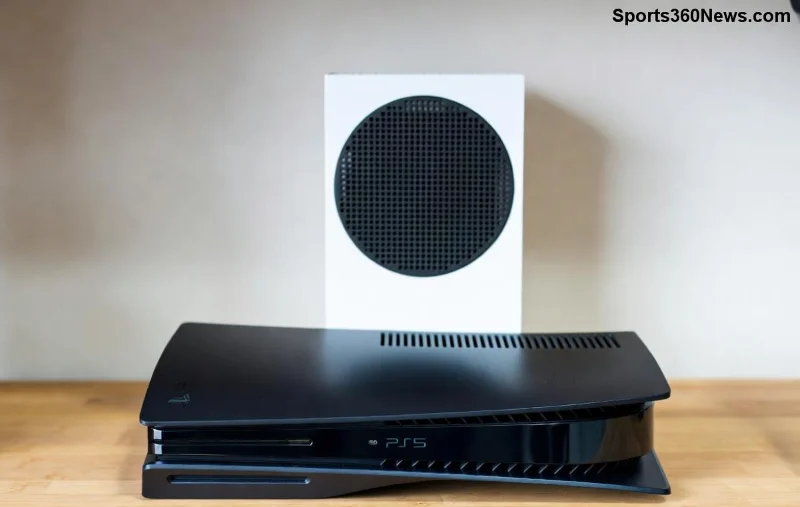
The PlayStation Portal streams games directly from your PS5 over Wi-Fi, demanding low latency (<20ms ideal), stable speeds (50Mbps+ upload/download), and minimal interference. Unlike wired setups, any hiccup in your network spells disaster. Official Sony guidelines emphasize a strong 5GHz connection, but let's go deeper with proven optimizations for the smooth PlayStation Portal experience you crave.
Quick Fact: Tests show 5GHz delivers up to 3x lower latency than 2.4GHz for streaming devices like the Portal.
For the best Wi-Fi settings, prioritize 5GHz over 2.4GHz. Here's why:
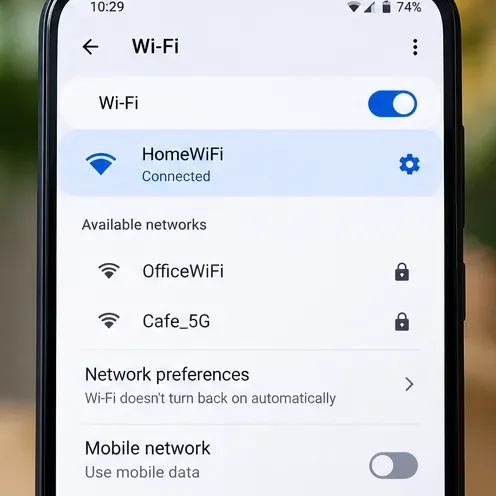
Connect your PlayStation Portal exclusively to 5GHz. Most modern routers create dual SSIDs—rename them (e.g., "Home5G") for easy selection in Portal settings.
| Wi-Fi Band | Speed Potential | Range | Best For Portal? |
|---|---|---|---|
| 2.4GHz | Up to 150Mbps | Excellent (walls penetrate better) | ❌ Backup only |
| 5GHz | Up to 1Gbps+ | Good (shorter range) | ✅ Ideal choice |
| 6GHz (Wi-Fi 6E/7) | Ultra-fast, low interference | Similar to 5GHz | ⭐ Future-proof winner |
Pro Tip: If your router supports Wi-Fi 6E or 7, enable 6GHz for the ultimate smooth PlayStation Portal experience. Check compatibility in your Portal's network menu.
Router position is key. Place it central, elevated, away from microwaves, cordless phones, and thick walls. Aim for line-of-sight to your PlayStation Portal and PS5.
Use a Wi-Fi analyzer app (like WiFi Analyzer on Android) to pick the least crowded 5GHz channel (36, 40, or 149+ for non-DFS). Log into your router (usually 192.168.1.1) and set:
Want mesh magic? Systems like Google Nest or Eero extend 5GHz seamlessly—ideal for large homes.
Quality of Service (QoS) is a game-changer for best Wi-Fi settings. It prioritizes PlayStation Portal packets over Netflix binges or downloads.
In your router admin:
For advanced users, WireGuard VPN on a dedicated VLAN isolates gaming traffic. Result? Butter-smooth streams even during family Zoom calls. 😎
Sony's official network guide recommends 15Mbps minimum, but QoS pushes you to pro levels.
Weak security invites freeloaders, tanking your speeds. Use WPA3 encryption (or WPA2 if needed) and a strong passphrase. Hide your SSID to deter casual snoopers.
Always update:
Bonus: Disable unused features like guest networks or UPnP to reduce overhead.
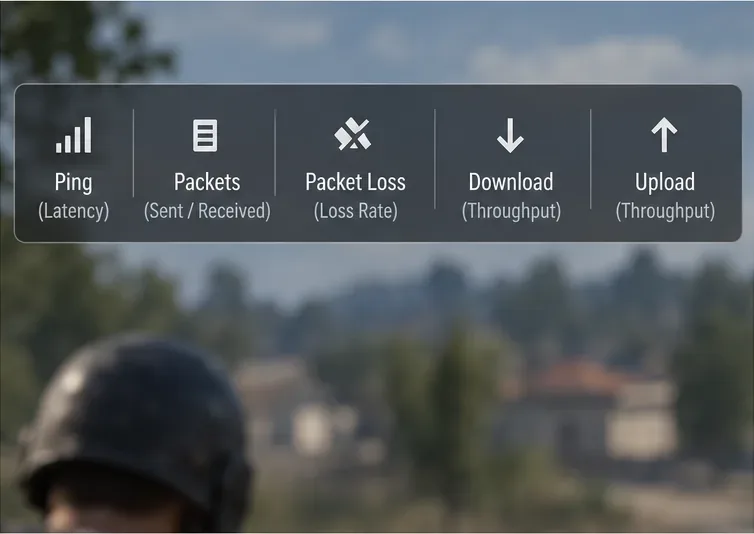
Don't guess—test! Use built-in Portal diagnostics (Settings > Network > Test Connection). Aim for:
Tools like Speedtest.net or iPerf confirm router-to-PS5 performance. If issues persist, wired Ethernet to PS5 + Wi-Fi to Portal is a hybrid win.
Go further with MU-MIMO and OFDMA enabled (Wi-Fi 6+ routers) for multi-device harmony. Powerline adapters bridge dead zones without Wi-Fi extenders' latency hit. For remote play outside home, consider a 5G hotspot as backup—but home Wi-Fi settings first!
Master these, and your PlayStation Portal becomes a portal to perfection. Gamers who've optimized report zero drops during marathon sessions. What's your biggest Wi-Fi headache? Tweak one setting today and feel the difference. Game on! 👏
Save Dota 2 camera spots to keys, jump back to lanes or objectives, and troubleshoot missing or conflicting camera position binds.
Fix a TFT Mobile black screen after loading with official server checks, updates, cache troubleshooting, compatibility guidance, and safe reinstall steps.
Reduce Marvel Rivals DirectX 12 shader stutter with preload, driver, cache, and file checks. Learn when a cache reset helps and which older advice to avoid.
Enable PUBG’s network statistics HUD to monitor ping and packet loss in a match. See where to find it, what the numbers mean, and what they cannot diagnose.
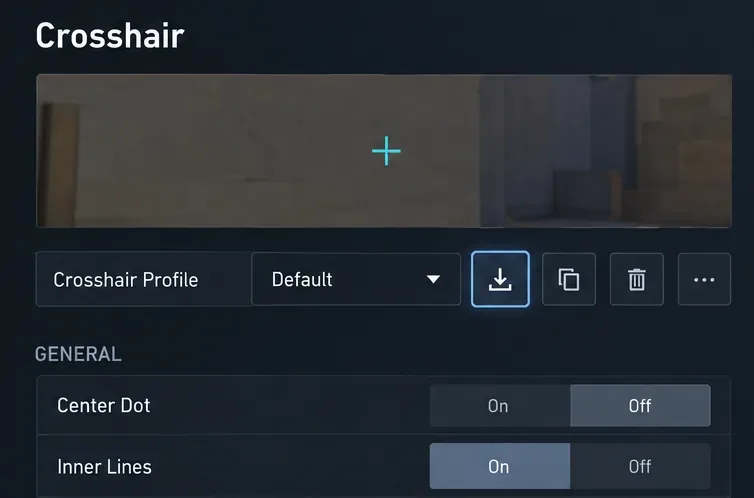
Learn how to import VALORANT crosshair codes, compare presets with manual settings and spectator copy, and fix common import issues.
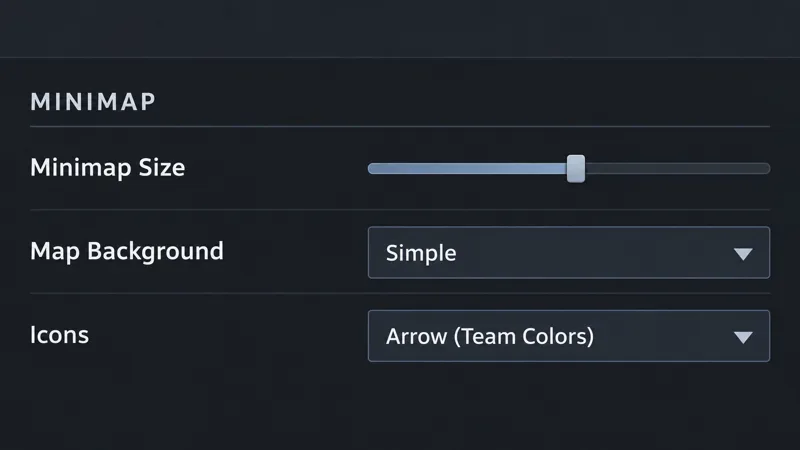
Choose Dota 2 minimap size, hero icons, team colors, and background settings by readability, fewer misclicks, and clear results on your own display.
Fix Fortnite texture pop-in on PC with official steps for GPU drivers, file verification, DirectX 12, high-resolution textures, VRAM, SSDs, and stutter.
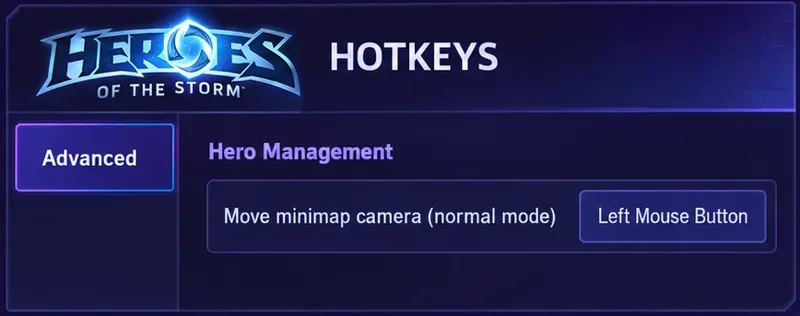
Learn what Heroes of the Storm minimap size and position options are verified, improve readability, and choose camera-click controls that suit you.
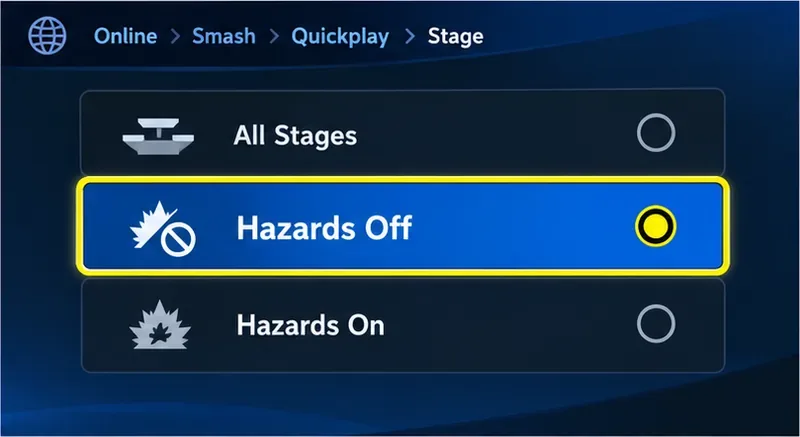
Set Super Smash Bros. Ultimate Quickplay to prefer hazards-off stages. Follow the Preferred Rules menu steps and learn why matchmaking may not always honor them.
Enable Server Latency and Packet Loss in Warzone to monitor connection quality, read the overlay, and use recurring spikes to guide troubleshooting.