How to Import Custom Crosshair Codes in VALORANT: Steps, Options, and Fixes
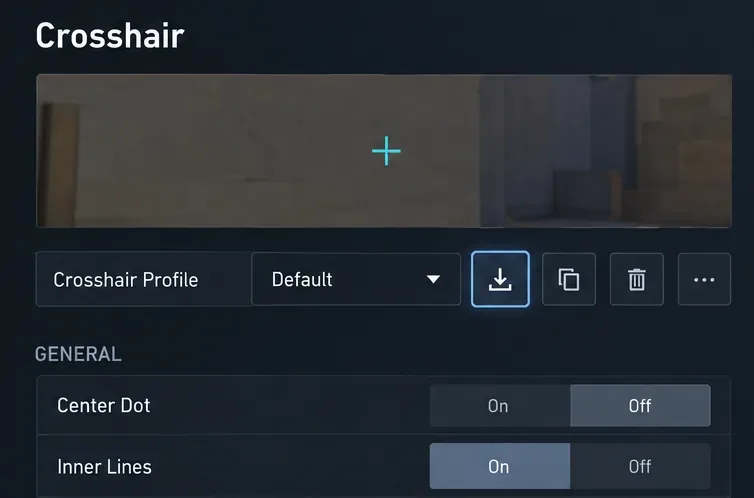
Learn how to import VALORANT crosshair codes, compare presets with manual settings and spectator copy, and fix common import issues.
PSN game sharing is built around console settings, not a license that you can freely pass between friends. Sony lets other users on one PS5 with Console Sharing and Offline Play enabled access eligible games and selected PlayStation Plus benefits. On PS4, a player can designate one primary PS4 console. You can have one PS5 and one primary PS4 activated at the same time.
The main safety rule is easy to miss: Sony says not to share your account details with anyone. Handing someone your password, passkey, or verification codes to set up “game sharing” puts your account at risk and breaches Sony’s Terms of Service. Use the console features only on a device you control or genuinely trust, and never treat a stranger’s login request or paid sharing service as an official Sony option. See Sony’s current PS5 Console Sharing guide and primary PS4 activation guide for the exact rules.
When the account that bought a game enables the relevant console setting, other users on that same console can play eligible purchased and downloaded games from their own profiles. The feature does not transfer ownership: the purchase stays associated with the buyer’s PlayStation account, and access depends on the setting, the license, and—where relevant—an active subscription.
| Console | Official setting | Limit and shared access |
|---|---|---|
| PS5 | Console Sharing and Offline Play | One PS5 per account at a time. Other users on that console can play eligible purchased and downloaded games while the console is offline, plus selected PS Plus benefits. |
| PS4 | Activate as Your Primary PS4 | One primary PS4 per account. Users on that console can access PlayStation Store applications and some PS Plus benefits. |
Sony’s activation limits allow one PS5 and one PS4 to be active at the same time. The PS5 setting is separate from the PS4 primary activation; claims that an account can enable sharing on two PS5s at once are incorrect. To move sharing to a replacement console, disable the setting on the old console first when possible.
PlayStation Plus game sharing covers selected benefits on the enabled PS5 and primary PS4, not every feature in the subscription. Sony lists online multiplayer (subject to parental controls), downloaded Monthly Plus games, games bought with a Plus discount, and catalog titles included with the membership tier among the benefits that can be shared on the console.
Other benefits stay with the subscribing account. The current support page excludes online storage, automatic patch downloads, early access to time-limited trials, buying discounted Store products from another account, and redeeming Plus games on a different account. Catalog availability can also depend on the plan and whether a title remains available. Check Sony’s PlayStation Plus sharing guide before relying on a particular benefit.
Suspension can cut off access to PlayStation online services and, in some cases, digital products you paid for. Read Sony’s account security guidance and suspension policy instead of relying on forum claims about automatic bans or login-location “flags.”
PlayStation Family Management is useful for child accounts, age ratings, spending limits, and parental controls. It is not an unlimited game-sharing pass for unrelated accounts; game access still follows the console’s sharing and activation settings.
Sony’s Plus-sharing guidance says games and selected benefits are shared with accounts on the one PS5 with Console Sharing enabled and the primary PS4—not a friend’s separate console. Avoid giving your credentials to make a remote setup work.
On the enabled PS5, other users can play eligible games and media that have been purchased and downloaded even when that console is offline. Subscription titles still depend on the subscription and the game’s availability.
The official feature is documented by Sony. The clear policy warning is against sharing account details, which Sony says breaches its Terms of Service. Sony may suspend accounts or consoles for terms violations, but its published guidance does not say that enabling the official setting by itself causes an automatic ban.
Safe PSN game sharing means using Sony’s one-PS5 and one-primary-PS4 console limits, keeping sign-in details private, and checking what a subscription actually shares. If a deal requires handing over your login or paying a stranger to activate your account, skip it. Your games, saved access, and payment security all remain tied to the account owner.
Learn how to import VALORANT crosshair codes, compare presets with manual settings and spectator copy, and fix common import issues.
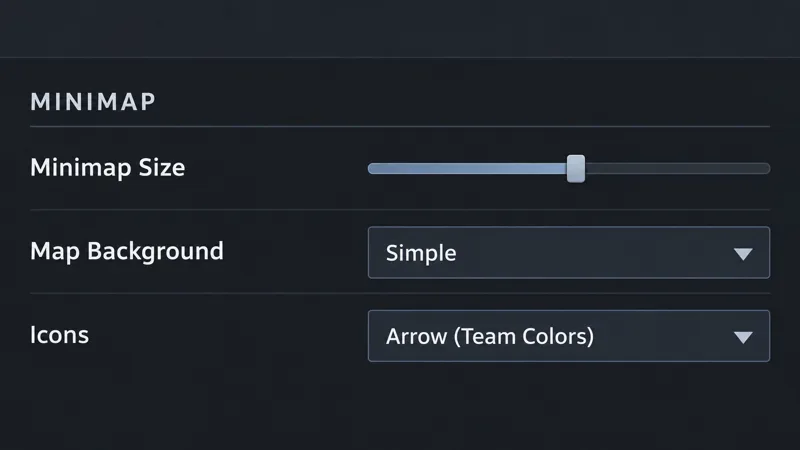
Choose Dota 2 minimap size, hero icons, team colors, and background settings by readability, fewer misclicks, and clear results on your own display.
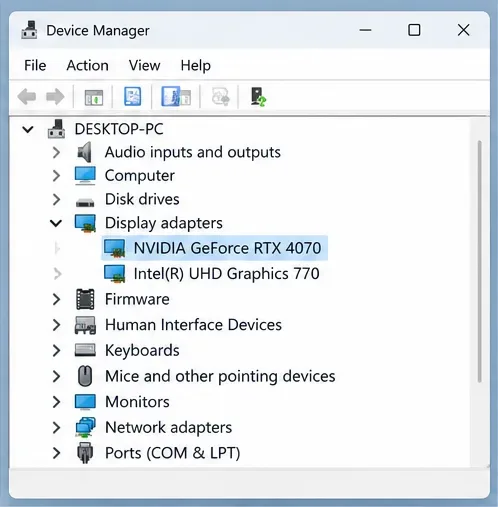
Fix Fortnite texture pop-in on PC with official steps for GPU drivers, file verification, DirectX 12, high-resolution textures, VRAM, SSDs, and stutter.
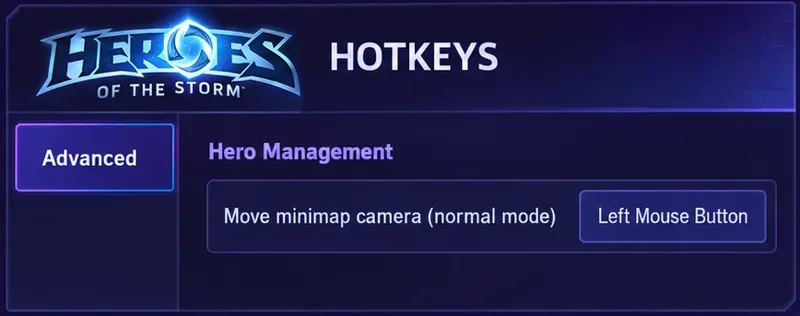
Learn what Heroes of the Storm minimap size and position options are verified, improve readability, and choose camera-click controls that suit you.
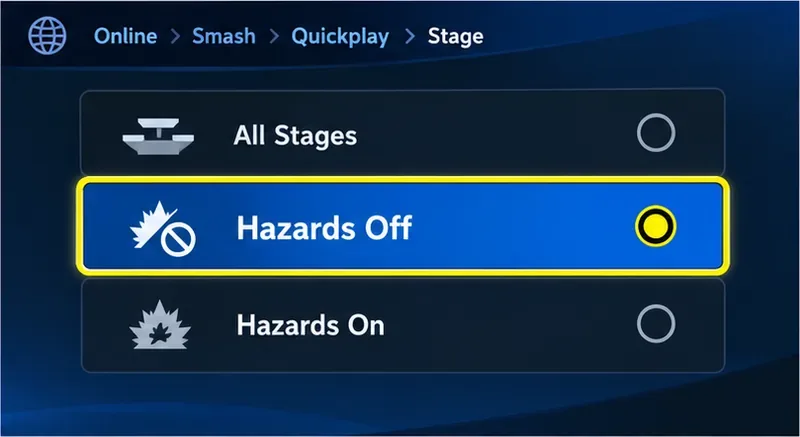
Set Super Smash Bros. Ultimate Quickplay to prefer hazards-off stages. Follow the Preferred Rules menu steps and learn why matchmaking may not always honor them.
Enable Server Latency and Packet Loss in Warzone to monitor connection quality, read the overlay, and use recurring spikes to guide troubleshooting.
Learn how to carry from mid lane in League of Legends by setting up waves, choosing safe roam windows, reading side lanes, and converting pressure into objectives.
Fix Minecraft Evoker spell problems with a safe vanilla test, version checks, log review, and a step-by-step way to isolate mod or datapack conflicts.
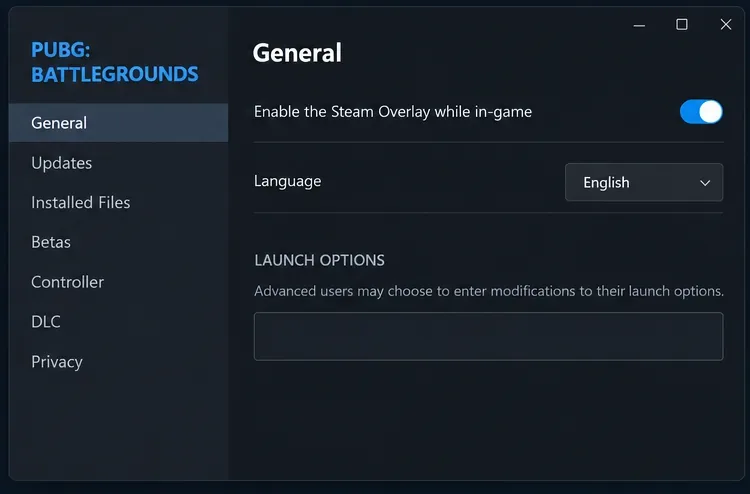
Fix PUBG stuck on Initializing on Steam with a focused checklist for PC service notices, launch options, game files, downloads, and connection issues.
Fix Brawl Stars stuck at 92% loading with an ordered checklist for service notices, network tests, safe updates, Android cache, and account-safe reinstalling.