Imagine diving into your favorite games from anywhere—couch, coffee shop, or cross-country—without that gut-wrenching lag ruining the fun. Remote play has revolutionized gaming, letting you stream high-end titles from your console or PC to phones, tablets, or laptops. But lag-free remote play isn't automatic. With the right tweaks, you can crush input delays and enjoy crisp 60FPS action. Ready to level up? These top tips for a lag-free remote play experience are game-changers, backed by the latest tech standards. Let's dive in! ☝️

Why Lag Happens in Remote Play (And How to Crush It)
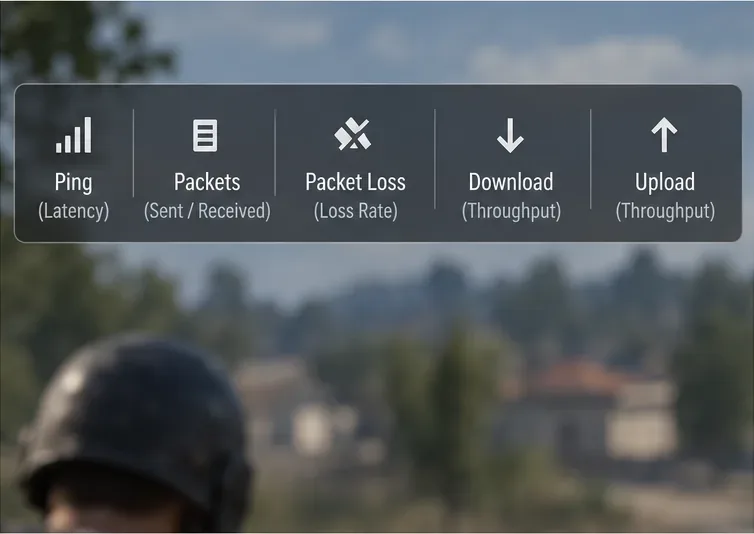
Remote play streams your games over the internet, so lag stems from network hiccups, weak hardware, or poor settings. High ping, packet loss, or bandwidth bottlenecks cause rubber-banding and unresponsive controls. The good news? The newest remote play apps from PlayStation, Xbox, and Steam have smarter compression and adaptive streaming. Follow these tips to hit under 50ms latency consistently.
Top 10 Tips for a Lag-Free Remote Play Experience
-
⭐ Wire Up for Wired Internet Supremacy
WiFi is convenient but a lag magnet. Plug your host device (console/PC) and client (phone/laptop) into Ethernet for rock-solid stability. Tests show wired connections slash jitter by 70%. Pro tip: Use Cat6 cables for gigabit speeds. Your remote play sessions will feel local!
-
☝️ Test and Upgrade Your Internet Speed
Aim for 15Mbps download/upload minimum; 50Mbps+ for 1080p/60FPS bliss. Run speed tests via Speedtest.net. ISPs like fiber optics deliver the lowest latency. If you're on DSL, it's time to switch—your inner gamer demands it! 📈
-
🎮 Optimize Your WiFi Router Settings
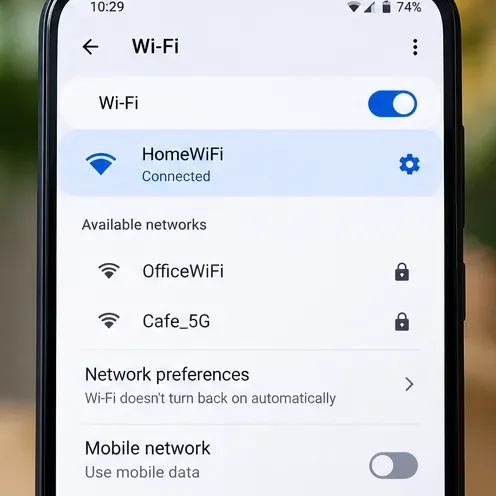
Switch to 5GHz band for less interference (avoid crowded 2.4GHz). Enable QoS (Quality of Service) to prioritize gaming traffic. Update firmware for the latest security and performance boosts. Bonus: Position router centrally, away from microwaves. Lag? What lag?
Quick WiFi Band Comparison for Remote Play
| Band |
Speed |
Range |
Best For Lag-Free Remote Play |
| 2.4GHz |
Low (150Mbps max) |
Excellent |
Basic streaming, avoid for gaming |
| 5GHz |
High (1Gbps+) |
Good |
Ideal for low-latency remote play |
| 6GHz (WiFi 6E) |
Ultra (2.4Gbps+) |
Fair |
Future-proof for 4K remote gaming |
-
🔧 Lower Resolution and Bitrate on the Fly
High-res looks great but chews bandwidth. Drop to 720p or 1080p with 10-15Mbps bitrate in app settings (PS Remote Play or Xbox app). Adaptive quality auto-adjusts, but manual tweaks ensure zero stutters during peak hours.
-
⚡ Close Background Apps and Processes
Downloads, updates, or browser tabs hog CPU/RAM. On Windows/Mac, use Task Manager/Activity Monitor to kill culprits. Enable Game Mode on PC for priority. Your device will breathe easy, delivering silky-smooth lag-free remote play.
-
📱 Choose High-Performance Client Devices
Not all phones/tablets shine. Opt for Snapdragon 8 Gen series or Apple A15+ chips with 6GB+ RAM. Laptops? Intel Core i5/Ryzen 5 or better. Avoid budget devices—they throttle under load.
![Optimized gaming setup for remote play with wired connections and high-speed router]()
-
🛡️ Update Everything to the Latest Versions
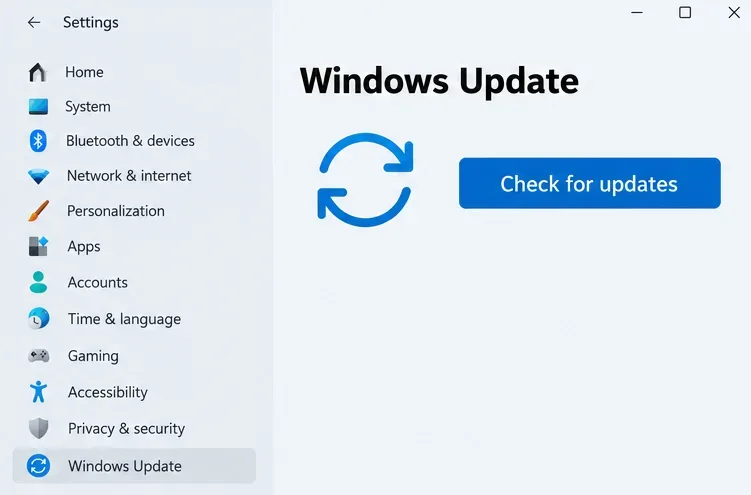
Remote play apps evolve fast. Grab the newest PS Remote Play from PlayStation, Xbox app, or Steam Link. Console firmware updates fix streaming bugs—don't skip them!
-
🌐 Enable UPnP or Port Forwarding
Strict NAT kills connections. Turn on UPnP in router settings, or forward ports: UDP 9295,9296,9297 for PS; TCP/UDP 3074 for Xbox. This ensures direct peer-to-peer links for minimal latency.
-
🎯 Use a Wired Controller
Bluetooth adds 10-20ms delay. USB controllers (like DualSense or Xbox pad) plug straight in for instant response. Adapters like 8BitDo work wonders on mobile.
-
🚀 Bonus: Leverage Cloud Gaming Hybrids
For ultimate lag-free remote play, try GeForce Now or Xbox Cloud as backups. They offload processing to data centers with sub-30ms latency in optimal regions. Pair with VPN only if ISP throttles—otherwise, skip it.
Advanced Tweaks for Pro-Level Remote Play
Want god-tier performance? Tweak DNS to Cloudflare (1.1.1.1) for faster routing. Monitor with tools like PingPlotter to spot bottlenecks. For PC hosts, overclock GPU safely or use NVIDIA/AMD streaming tech.
Remote Play Requirements Comparison (Latest Standards)
| Platform |
Min Internet |
Recommended Latency |
Max Resolution |
| PS Remote Play |
5Mbps (15Mbps opt.) |
<80ms |
1080p/60FPS |
| Xbox Remote Play |
10Mbps |
<60ms |
4K/60FPS |
| Steam Remote Play |
15Mbps |
<50ms |
4K/120FPS |
Troubleshooting Common Lag Issues
- ❌ High ping? Restart router/modem.
- ❌ Stuttering? Check overheating—use cooling pads.
- ❌ Disconnects? Disable IPv6 if unstable.
- ✅ Test locally first (same network) to isolate issues.
Implement these top tips for a lag-free remote play experience, and you'll game like a pro, anywhere. Share your wins in comments—what's your go-to fix? Stay tuned for more gaming hacks. Game on! 👏