Is Overwatch Really Over? What Happened to the Original Game (2026)
Is Overwatch really over? The original game is over as a separate, playable release, but the series did not shut down. Blizzard replaced the 2016 client with Overwatch 2 on October 4, 2022; then, in 2026, it dropped the “2” from the live game’s name. The game running today is the same continuing service, now branded simply Overwatch.
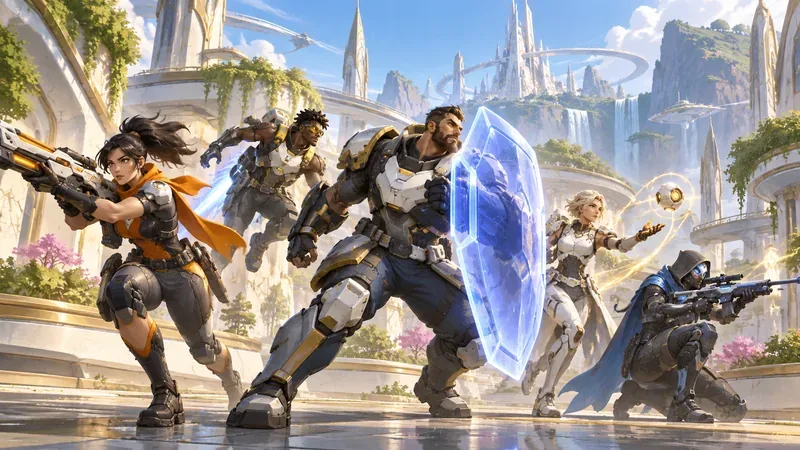
That distinction answers the question behind “Overwatch is dead.” You cannot reinstall the original Overwatch and play it as a separate game. You can still play the evolving Overwatch service, which inherited the original’s heroes and collection and continues to receive new seasons. Here is what changed, what carried over, and what the name means in 2026.
What happened to the original Overwatch?
Blizzard made a direct handoff rather than running two games side by side. Its launch notice said the original client would be taken offline beginning at approximately 9:00 a.m. Pacific Daylight Time (PDT, UTC−07:00) on October 3, 2022. The replacement was scheduled to go live at approximately 12:00 p.m. PDT (UTC−07:00) on October 4—16:00 UTC on October 3 for the shutdown start and 19:00 UTC on October 4 for the launch. These were the published global rollout times, not local times for every player. Blizzard’s launch checklist records both milestones.
After the switch, the original had no standalone client or live servers. Overwatch 2 took its place in the same game ecosystem, which is why players often describe the change as the first game being “deleted.” In practical terms, Blizzard retired the old release and continued the franchise through its successor.
What changed in the move to Overwatch 2?
| Era | Team format | What it means |
|---|---|---|
| Original Overwatch | 6v6 | The paid 2016 game ran as a separate live release until the October 2022 handoff. |
| Overwatch 2 at launch | 5v5 Role Queue | The sequel replaced the original, went free-to-play, and introduced seasonal pass and shop systems. |
| Overwatch in 2026 | 5v5 and 6v6 formats | The live service continues under the Overwatch name, with formats appearing in different playlists. |
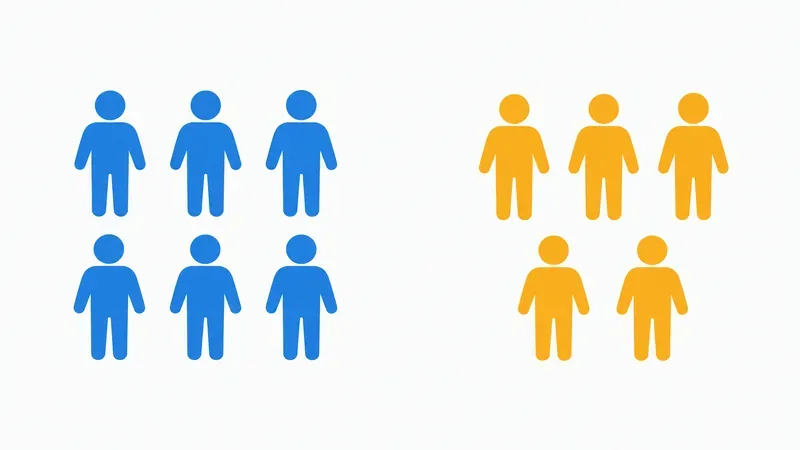
The most visible match change was 6v6 to 5v5 in Role Queue: each team lost one Tank slot. That made fights feel different and changed how players managed space, protection, and team composition. The original 6v6 format did not return as a separate copy of the 2016 game. Blizzard later brought 6v6 back in specific modes, and its July 2026 discussion says 5v5 still had the larger player share while 6v6 participation was growing, according to Blizzard’s July 2026 format update. Check the current mode list for which playlist uses each format; a returning 6v6 queue is not the same thing as restoring Overwatch 1.
The business model changed too. At launch, Overwatch 2 became free-to-play and centered seasonal Battle Passes and a cosmetic shop, rather than the original paid-entry and loot-box progression. Blizzard has since adjusted rewards and systems, so the launch model should not be mistaken for a promise that every later season works identically. The useful point is that the 2022 sequel changed both how players entered the game and how cosmetics were earned or purchased.
Why did fans feel that Overwatch was over?
The sequel’s biggest disappointment was not the 5v5 format; it was the gap between the PvE vision announced for Overwatch 2 and what shipped. The original plan included a replayable Hero Mode with talent trees and long-term hero progression. In May 2023, Game Director Aaron Keller explained that Blizzard was no longer moving forward with those Hero Missions because the team could not bring the full experience together while also supporting the live game.
That was a specific cancellation, not a cancellation of every PvE idea. Blizzard released three co-op Story Missions in the 2023 Invasion update, set in Rio de Janeiro, Toronto, and Gothenburg. They were much smaller in scope than the full, repeatable Hero Mode many players expected. Keller’s 2023 explanation of the PvE pivot and Blizzard’s Invasion announcement make that difference clear.
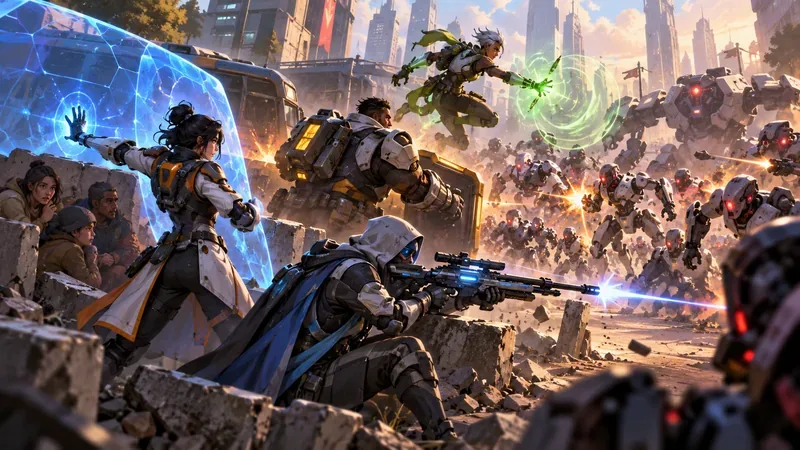
For longtime fans, that change came after years of waiting and during a period when attention had shifted away from updates to the core PvP game. Combined with a new team size, paid cosmetics, and the loss of a standalone original client, it helps explain why “Overwatch is over” became a common reaction even though the live game remained online.
Why is it called Overwatch again in 2026?
In February 2026, Blizzard dropped the “2” from Overwatch’s title as part of a broader refocus. The company said it wanted players to see the game as an evolving, always-on service rather than a sequel that might someday be followed by another numbered release. Season 1—previously numbered Season 21—launched February 10 with five new heroes and the start of the year-long Reign of Talon story arc. The director’s explanation of the name change is explicit: the “2” was removed; the ongoing game was not replaced by a new standalone Overwatch 3.
As of October 16, 2026, the live service is still being updated. Blizzard’s Reign of Talon Season 5 announcement says “A Grim Doctrine” began October 6, and the October 13 patch notes confirm the season remains actively patched. The current game is free-to-play and downloadable from the official Overwatch site. So the 2026 name change is a rebrand of the continuing game—not the revival of the retired 2016 client.
Can you still use your old account and skins?
Many returning players kept their collection, but account setup mattered. Blizzard said PC progression carried over automatically; console players needed to connect and confirm the right accounts through Battle.net account merging to bring console progress and items together. If a skin or other item seems missing, first sign in with the Battle.net account you used before and confirm the correct console profile is linked. Blizzard’s account-merge FAQ explains how cross-progression worked at the transition.
Bottom line: is Overwatch dead?
The original Overwatch is no longer playable as a separate live game. Its successor replaced it on October 4, 2022. But Overwatch itself is not over: the same continuing franchise now runs under the name Overwatch again, with current seasons, new content, and multiple team formats. If you want to return, install the current game and sign in to the correct Battle.net account; there is no separate Overwatch 1 download.









