How to Check Real-Time Server Latency in the PUBG HUD

Enable PUBG’s network statistics HUD to monitor ping and packet loss in a match. See where to find it, what the numbers mean, and what they cannot diagnose.
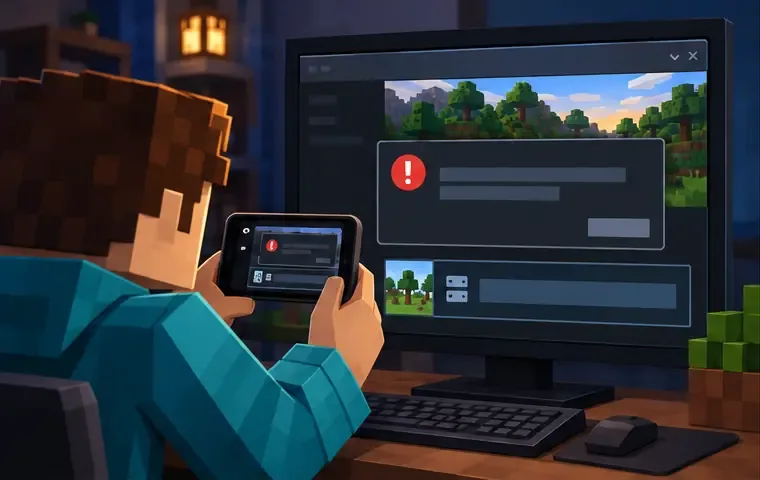
If Minecraft disconnects with a message such as “13 Connection Initial Detail – Unlucky Details,” the first thing to know is that the wording alone does not identify a confirmed cause. I could not verify this exact phrase as a documented Minecraft error in the official support material reviewed for this update. Do not assume that “13” means packet loss, a protocol mismatch, or a Java problem. Start by checking which edition you use, whether the problem affects one server or every server, and what the server owner’s logs say.
This guide covers the practical checks for the 13 Connection Initial Detail Minecraft error and similar multiplayer disconnects. It separates client, account, network, and server-side causes so you can try the relevant fix without changing unrelated settings.
Minecraft’s official troubleshooting pages discuss connection failures, edition and version compatibility, account permissions, network settings, and Realms availability. They do not assign a verified meaning to the exact “13 Connection Initial Detail” label. “Unlucky Details” is not enough to establish that a handshake failed or that a particular port, Java version, or packet is responsible. The phrase may be a message shown by a server, proxy, mod, launcher, or other component; without the full context, that is only a possibility.
Use the message as a clue to collect evidence, not as a diagnosis. Write down the full text, your platform and edition, the game version, the server address (keep private addresses private), and whether the failure happens on one destination or all destinations. If it is a Java server, ask its operator for the matching log entry at the time of the disconnect.
| What happens | Check first |
|---|---|
| Only one server fails | Confirm the address, server availability, supported edition/version, allowlist, and server logs with its operator. |
| Several servers fail on one device | Check the game update, sign-in, network, VPN/proxy, and local firewall rules. |
| Java and Bedrock players cannot join each other | Confirm the editions. Java Edition connects to Java Edition servers; Bedrock Edition uses Bedrock-compatible worlds and servers. |
| A Realm or hosted world fails | Check the service, invitation/account permissions, and whether the host’s world is available. |
Before changing your computer, ask whether another player can join the same server. If nobody can, the server or service may be unavailable; if only your device fails, continue with the checks below.
Take note of the complete message rather than searching only for “13.” Record the device, Java Edition or Bedrock Edition, game version, server hostname, and the point where the disconnect occurs. On Java, copy the relevant launcher or game log lines if you know how; ask the server operator for their server log. Redact account tokens and private IP addresses before sharing logs publicly.
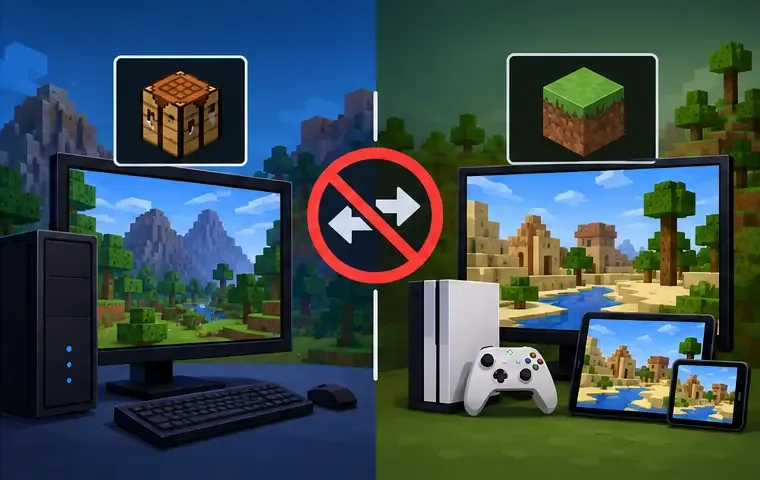
Java and Bedrock are separate editions with different multiplayer ecosystems. A Java client cannot join a standard Bedrock server directly, and a Bedrock client cannot join a standard Java server directly. Some server operators use bridging software, but that must be explicitly supported by that server. Check the server listing or ask its owner which edition and platform it accepts.
Update Minecraft through its official launcher or the platform’s store, then select the release the server supports. Avoid joining a production server from a snapshot or preview unless the operator says it is supported. If you use a mod loader or custom launcher, compare its Minecraft version and loader profile with the server’s requirements; do not remove or reinstall the whole game as a first step.
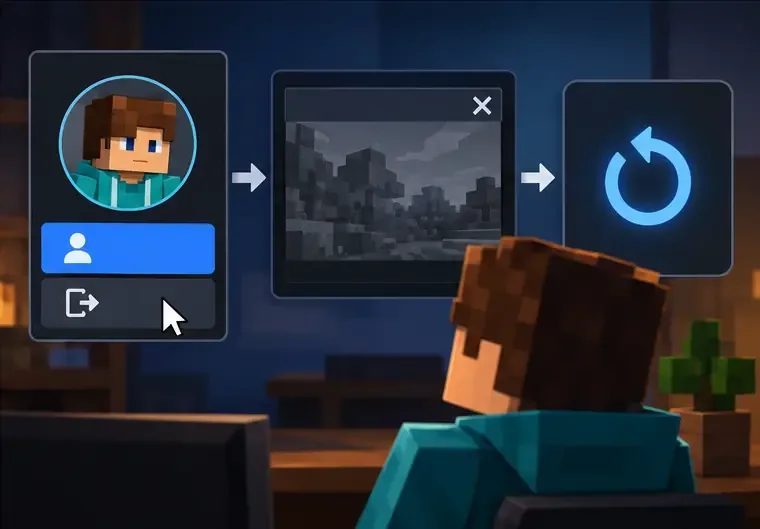
Quit Minecraft completely, reopen it, and retry once. If you use a Microsoft account or a Realm, sign out and back in through the normal account controls, then restart the device if the sign-in state still looks stale. On Windows, close other Minecraft-related sign-in windows before trying again. A restart can clear a temporary session issue, but it will not repair a server-side version or permission problem.
Restart your device and router, pause large downloads or streams, and retry. On a computer, compare Wi-Fi with Ethernet if available. A temporary mobile hotspot can help determine whether the home network is involved; it is a diagnostic comparison, not a guaranteed fix. If the server uses a hostname and only that name fails, ask the operator to confirm it resolves correctly. On Windows, ipconfig /flushdns is relevant only when you suspect a stale DNS lookup; it is not a general Minecraft repair command.
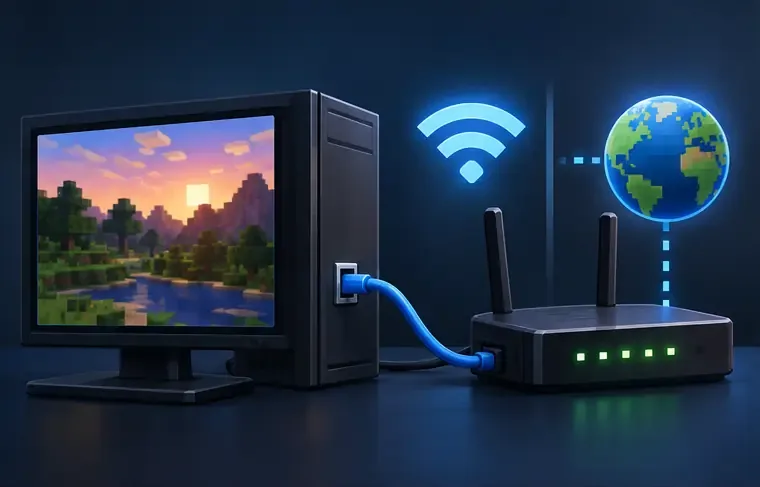
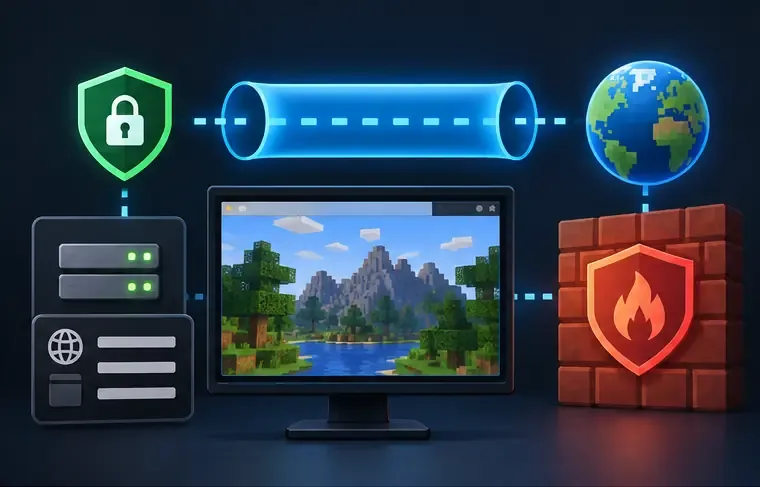
If you use a VPN or proxy, disconnect it temporarily and retry only if your network rules allow that. Revert custom DNS settings only when they were recently changed or Minecraft support points to a DNS issue. Check the operating system firewall and security software for a block affecting Minecraft or its Java runtime; allow the relevant app through the firewall rather than turning protection off globally. A player joining someone else’s server generally should not open router ports. Server owners should follow the official server setup instructions for their own hosting and firewall environment.
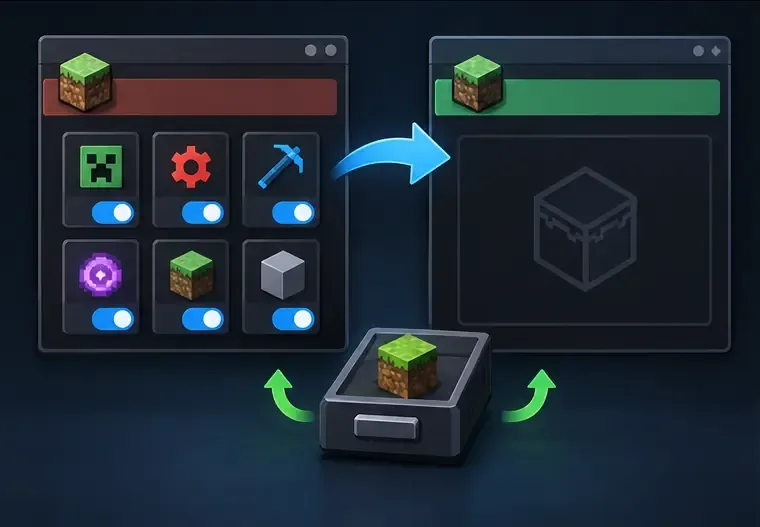
If the disconnect began after adding a mod, loader, or resource pack, launch a separate vanilla profile for the same supported release and test again. Keep your existing installations and worlds intact. If the clean profile connects, re-enable custom components one at a time and check their documented compatibility with that game version and server. Back up worlds before changing modded installations.
For a failure limited to one server, ask the operator to confirm that it is online, accepting connections, and configured for your edition and supported version. If it uses plugins, a proxy, or a modpack, the operator should check compatibility and the log entry for your attempt. Do not tell the operator to switch off authentication or set online-mode=false as a general fix; that changes server security and does not diagnose this message. For a self-hosted server, compare the server’s required Java runtime with its current official setup instructions instead of manually changing the Java executable used by the standard game launcher.
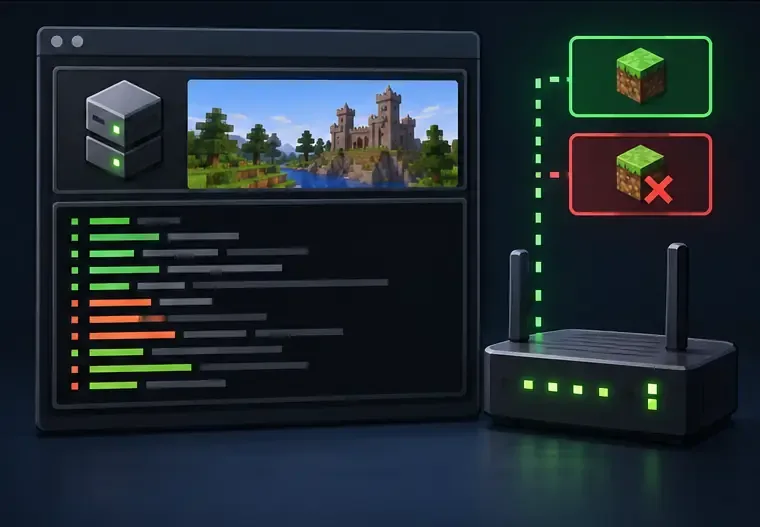
If the server is offline, only its operator can restore it. If several players report the same failure after an update, check Minecraft’s official support channels or the relevant service status before changing local files. If your account cannot join any multiplayer session, check account permissions and platform subscriptions where applicable. For Realms, confirm that the Realm is active and that you have an invitation; the owner does not need to remain online for guests to join a Realm.
Avoid deleting the .minecraft folder, reinstalling Java, forwarding ports, or disabling security software just because the message includes “13.” Those actions are either unrelated to the evidence available or can create new problems. If the message persists, send Minecraft Support or the server operator the exact text, edition, version, steps already tried, and relevant redacted logs.
This rewrite was checked against Minecraft’s published support guidance on October 16, 2026. The exact “13 Connection Initial Detail – Unlucky Details” wording remains unverified in those sources.
Enable PUBG’s network statistics HUD to monitor ping and packet loss in a match. See where to find it, what the numbers mean, and what they cannot diagnose.
Learn how to import VALORANT crosshair codes, compare presets with manual settings and spectator copy, and fix common import issues.
Choose Dota 2 minimap size, hero icons, team colors, and background settings by readability, fewer misclicks, and clear results on your own display.
Fix Fortnite texture pop-in on PC with official steps for GPU drivers, file verification, DirectX 12, high-resolution textures, VRAM, SSDs, and stutter.
Learn what Heroes of the Storm minimap size and position options are verified, improve readability, and choose camera-click controls that suit you.
Set Super Smash Bros. Ultimate Quickplay to prefer hazards-off stages. Follow the Preferred Rules menu steps and learn why matchmaking may not always honor them.
Enable Server Latency and Packet Loss in Warzone to monitor connection quality, read the overlay, and use recurring spikes to guide troubleshooting.
Learn how to carry from mid lane in League of Legends by setting up waves, choosing safe roam windows, reading side lanes, and converting pressure into objectives.
Fix Minecraft Evoker spell problems with a safe vanilla test, version checks, log review, and a step-by-step way to isolate mod or datapack conflicts.
Fix PUBG stuck on Initializing on Steam with a focused checklist for PC service notices, launch options, game files, downloads, and connection issues.








