How to Check Real-Time Server Latency in the PUBG HUD

Enable PUBG’s network statistics HUD to monitor ping and packet loss in a match. See where to find it, what the numbers mean, and what they cannot diagnose.
If an enemy ultimate gets lost under music, combat effects, or voice callouts, the best first adjustment is usually to reduce the sounds competing with it—not to push every effect slider to maximum. Start from your current default mix, lower background music in small steps if your version offers a separate control, and keep the main game level comfortable. Then test the same kind of fight again before changing anything else.
An ultimate is a god’s major ability, often with a distinctive activation sound or visual effect. A sound cue is an audio detail that helps you notice an event, such as an ability starting or landing. No single volume percentage is verified as best for every player, platform, headset, or SMITE version. The goal is a mix where important cues remain noticeable without making ordinary impacts painful or tiring.
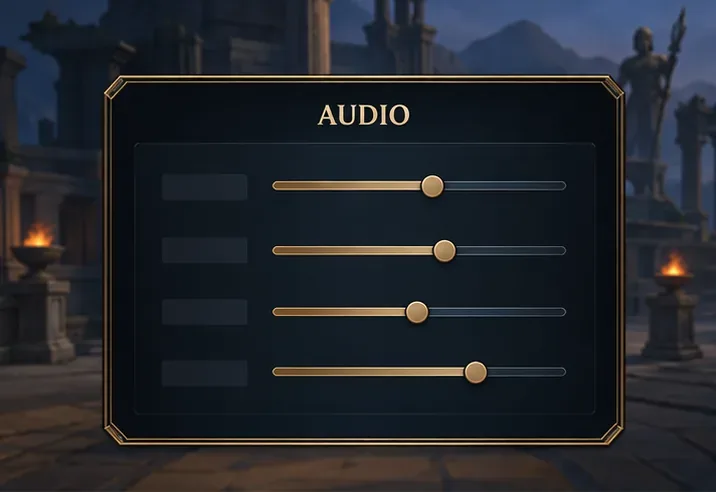
Hi-Rez maintains separate official pages for SMITE and SMITE 2. The sequel also has its own developer audio discussion, so it is safest not to assume that a menu label or mix in one game matches the other. Choose the title you actually play before making changes.
I could not verify an official, current recommendation for a specific SFX percentage or a dedicated ultimate-only volume slider. That means a value such as “set effects to 80%” would be a guess, not a published best setting. Check the Audio page in your installed game and use only the controls it actually shows. If there is no separate ultimate control, adjust the broad sound categories available and evaluate the whole mix.
Hi-Rez’s SMITE 2 developer audio deep dive is specific to SMITE 2. It is useful context about the sequel’s audio work, but it does not establish a universal player-side slider preset or a rule that every ultimate has the same kind of audible warning. Use your own game’s current controls and learn the cues for the gods you face most often.
| Control, if present | Starting approach | What to listen for |
|---|---|---|
| Overall or master volume | Set it to a comfortable level before changing submixes. | Clear sound without distortion, clipping, or fatigue. |
| Music | Lower it slightly if it masks brief ability sounds. | Combat cues stand out while music remains audible if you want it. |
| Sound effects | Keep near the current default first; raise only in small steps if effects are genuinely too quiet. | Ability activations and impacts become easier to notice without every hit becoming harsh. |
| Voice, announcer, or callouts | Keep useful callouts audible; lower a competing channel only if your menu separates it. | You can still hear team information and important spoken cues. |
| Headset or system enhancements | Test with extra spatial, surround, or equalizer processing off first, then compare one feature at a time. | Direction and tone sound stable rather than hollow, exaggerated, or distorted. |
These are relative starting choices, not official Hi-Rez presets. Some settings may combine several sound types, and platform or game updates can change what the available controls do. A broad SFX control, for example, should not be treated as if it raises only ultimate warnings unless the game explicitly says so.
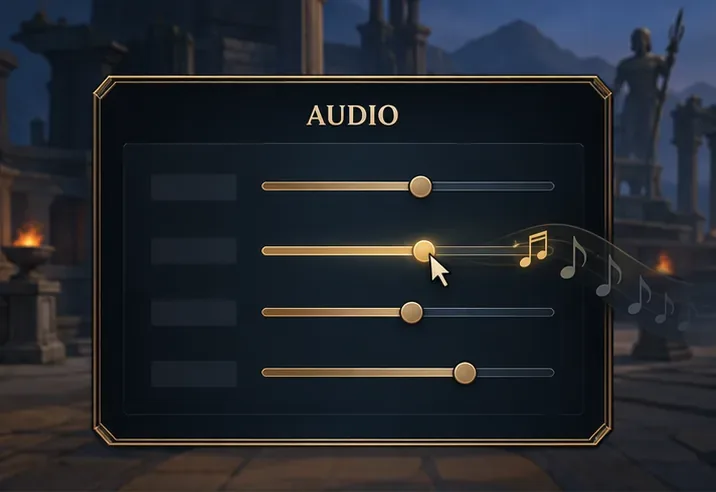
Open the game’s Audio settings and note the current positions before moving anything. If sliders show numbers, write them down; if not, take a quick screenshot for your own reference. This makes it easy to reverse a change that makes the mix worse. Do not copy a percentage from another player unless you know they use the same game, platform, output device, and audio features.
Play a short match or repeatable practice situation at your normal listening level. If music is the sound covering ability cues, lower only music a small amount and replay the same situation. If you can hear the cue more clearly, keep that adjustment. If music was not the issue, restore it and test another separate category only if one is available.
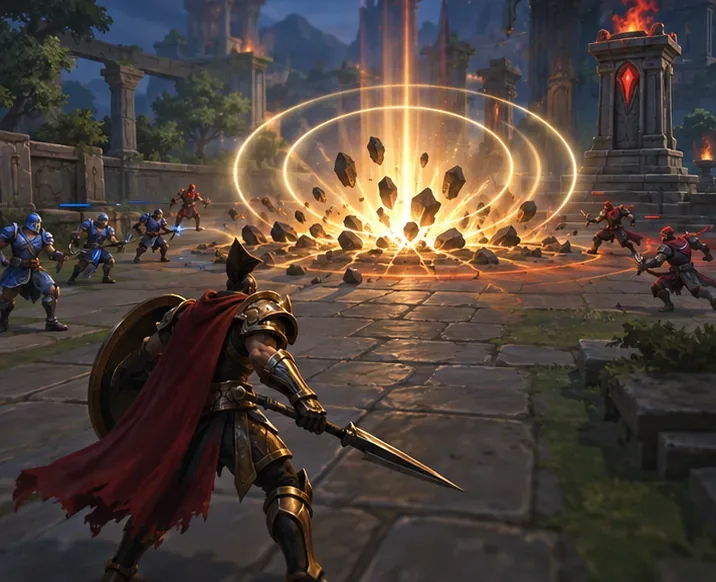
Sound effects can include many events besides enemy ultimates. If your build provides a general SFX control and you raise it, ordinary attacks and other effects may become louder too. Make a modest change, then check whether the target cue improved without making basic hits sharp or overwhelming. If one god’s ability still blends into the fight, the game may not offer a control for that individual sound; do not expect a global slider to isolate it.
Use a low-pressure mode or a repeatable match situation. Face an opponent whose ultimate you often miss, and observe the moment it begins: listen for an activation sound, but also watch the animation, ground effect, projectile, or other on-screen change. Repeat the check several times and compare after each single adjustment. The mix is working when you notice the cue earlier and can still distinguish ordinary attacks, teammate communication, and the rest of the fight.
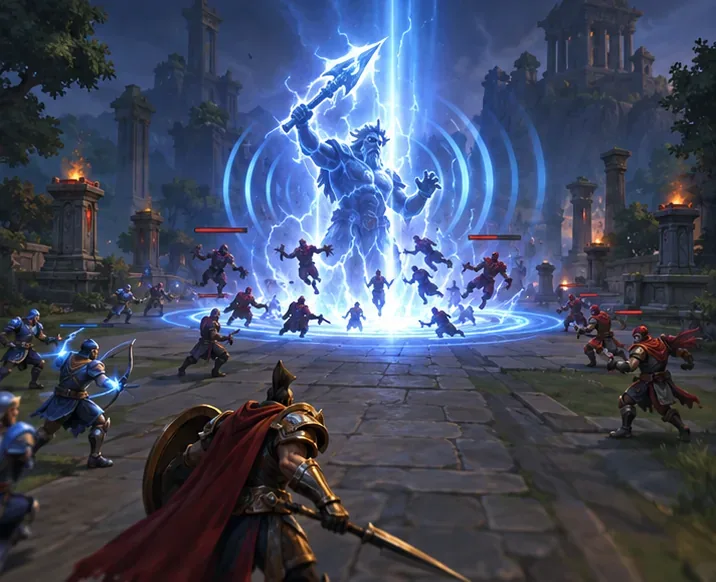
Adjust the mix if you repeatedly notice ultimate cues only after the effect has landed, if music covers short combat sounds, or if ordinary impacts are so loud that you turn the whole game down. Change one control at a time and return to the same test. If the game sounds distorted, voices become hard to understand, or your ears feel tired, lower the overall listening level and undo recent boosts.
For original SMITE, use the controls shown by its current client. For SMITE 2, consult the sequel’s own current Audio menu and patch notes; the developer’s audio work is documented separately. In either game, a useful balance is not “everything loud.” It is a comfortable overall level, less masking from optional background audio, effects that remain clear, and enough attention to visual telegraphs that sound is one cue among several.
Enable PUBG’s network statistics HUD to monitor ping and packet loss in a match. See where to find it, what the numbers mean, and what they cannot diagnose.
Learn how to import VALORANT crosshair codes, compare presets with manual settings and spectator copy, and fix common import issues.
Choose Dota 2 minimap size, hero icons, team colors, and background settings by readability, fewer misclicks, and clear results on your own display.
Fix Fortnite texture pop-in on PC with official steps for GPU drivers, file verification, DirectX 12, high-resolution textures, VRAM, SSDs, and stutter.
Learn what Heroes of the Storm minimap size and position options are verified, improve readability, and choose camera-click controls that suit you.
Set Super Smash Bros. Ultimate Quickplay to prefer hazards-off stages. Follow the Preferred Rules menu steps and learn why matchmaking may not always honor them.
Enable Server Latency and Packet Loss in Warzone to monitor connection quality, read the overlay, and use recurring spikes to guide troubleshooting.
Learn how to carry from mid lane in League of Legends by setting up waves, choosing safe roam windows, reading side lanes, and converting pressure into objectives.
Fix Minecraft Evoker spell problems with a safe vanilla test, version checks, log review, and a step-by-step way to isolate mod or datapack conflicts.
Fix PUBG stuck on Initializing on Steam with a focused checklist for PC service notices, launch options, game files, downloads, and connection issues.








