Chile U20 vs Belgium U20: Final Preview, Kickoff Time and Team News
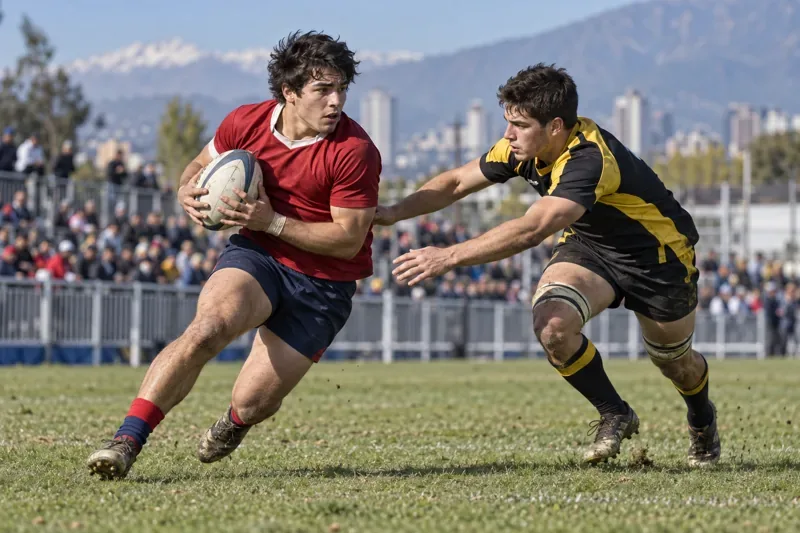
Chile U20 host Belgium U20 in the World Rugby U20 Challenger 2026 final on October 17 in Santiago. See kickoff time, venue, form and team news.
Brazil U20 and Canada U20 will meet in the fifth-place play-off of the World Rugby U20 Challenger 2026 on Saturday, October 17. The fixture is scheduled for Centro de Alto Rendimiento del Rugby in La Reina, Santiago. The event schedule lists kickoff at 16:00 UTC, which is 1:00 p.m. CLST (UTC−03:00) in Santiago on that date. The match offers each side a final chance to finish the tournament with a win and secure fifth place.
World Rugby’s match-official appointments page confirms the fifth-place pairing, date, and venue. Its listing had not yet named the referee or assistants when checked on October 14, and the published page did not display team sheets. Check the official World Rugby fixtures and results page for any later lineup or schedule update, and the match-official appointments page for the officials. The local time conversion follows Chile’s official time rules; Santiago is on summer time, UTC−03:00, on October 17.
This is a classification match, not a pool fixture or the tournament final. The winner will finish fifth and the other side sixth. That clear outcome changes the balance of the contest: both teams have a defined target, and there is no later match in which to repair a slow start. For viewers, the practical question is whether either side can impose its preferred style early while still managing the pressure of a one-off finish.
The placement also gives the teams a concrete way to close their campaign. Fifth place is not the championship, but a win can reward a group that has spent the tournament adjusting to international opposition and unfamiliar conditions. The losing side will still have played a full tournament, but it will leave Santiago without the final result it wanted. Those stakes are meaningful without turning the fixture into a judgment on either program’s longer-term development.
As of October 14, the World Rugby pages checked for this preview did not provide the Brazil or Canada matchday squads. Player names, captaincy, injuries, and positional changes therefore cannot be responsibly presented as confirmed. Readers looking specifically for team sheets should use the tournament’s official match listing close to kickoff, then compare the announced starting XV and replacements with the final team sheet on match day. A late change can matter, especially if it affects the front row, the kicking options, or the balance of the back row.
For a useful comparison, start with positions rather than reputation. Check whether each side has selected a specialist goal-kicker in the starting lineup or among the reserves; whether the bench includes front-row cover; and whether the backs offer a second playmaker or a direct running option. These details are more actionable than guessing at individual impact before the lineups are confirmed. At U20 level, a player’s role in the team sheet may tell viewers more about the coach’s plan than a broad label such as “attack-minded” or “physical.”
Brazil can prioritize field position by kicking for touch and asking its forwards to build pressure from set pieces and close-range phases. That approach can reduce the risk of forcing passes in a crowded midfield, but it also gives Canada opportunities to return the ball if the kicks are loose or the chase is disconnected. A faster, more expansive approach may create space, yet it can expose the carrier to turnovers if support is late. The team that chooses when to accelerate, rather than trying to play at maximum speed on every possession, may gain better control.
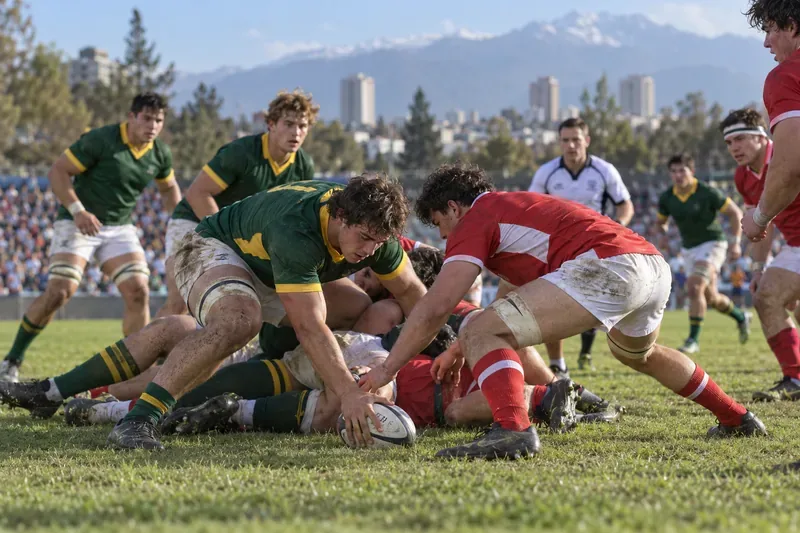
At a ruck, defenders face a practical trade-off: commit players to challenge the ball or stay in the line to cover the next phase. A successful turnover can stop an attack and create a short field, but an unsuccessful contest may leave gaps outside the breakdown. Viewers can watch how often each team sends a player beyond the ball, how quickly the defensive line reforms, and whether either side makes the opponent play through several phases. These are observable signals, not assumptions about either team’s season-long strengths.
If the scoreboard is close, penalty goals may keep pressure on the opponent and make every later scoring opportunity more valuable. Going for a try can produce a larger reward, particularly when a team has a lineout near the goal line, but it carries the risk of leaving without points. The right choice depends on the score, time remaining, field position, and confidence in the set piece. A team sheet can show who is available to kick, but only the match situation will reveal whether the coaches choose caution or ambition.
For a concise watch plan, confirm the latest team sheets first, then track three things: set-piece stability, discipline around the breakdown, and how each side handles the final quarter. Penalties conceded in range can erase territorial work; repeated scrum resets can interrupt attacking rhythm; and substitutions may change the contest’s shape late. Avoid reading a short scoring run as proof that one side has controlled the match: territory, possession, and the ability to exit pressure help explain whether that advantage is sustainable.
The confirmed pre-match picture is simple: Brazil U20 versus Canada U20, the fifth-place play-off, at La Reina in Santiago on October 17. The event schedule gives kickoff as 16:00 UTC, or 1:00 p.m. CLST (UTC−03:00). Team sheets, named officials, and the final placing were not available in the official pages checked by October 14. Once the teams are announced, the best comparison is the one tied to actual selections and match conditions, not a prediction built on unverified names.
Sources: World Rugby fixtures and results; World Rugby U20 Challenger 2026 match-official appointments; Chile, Decree 98 (July 2, 2026), official time.
Chile U20 host Belgium U20 in the World Rugby U20 Challenger 2026 final on October 17 in Santiago. See kickoff time, venue, form and team news.
Romania U20 faces Portugal U20 in the World Rugby U20 Challenger third-place play-off on October 17 in Santiago. Check kickoff, team-sheet status and result updates.
Brazil U20 and Canada U20 meet for fifth place at the 2026 U20 Challenger in Santiago. Check kickoff time, team-sheet status and the key tactical choices.
Hong Kong China U20 face Namibia U20 for seventh place in Santiago on October 17. See kickoff times, team-sheet status, recent results, and what to watch.
Learn how rugby sevens pool ties are broken, including head-to-head, points difference, try difference, match points, and why each tournament’s rules matter.
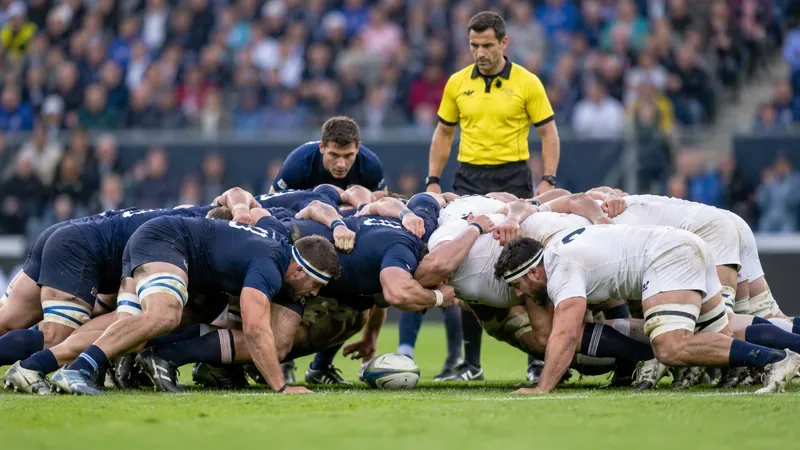
Learn when a rugby scrum is simply reset and when the referee awards a penalty or free-kick, with examples from the current World Rugby laws.
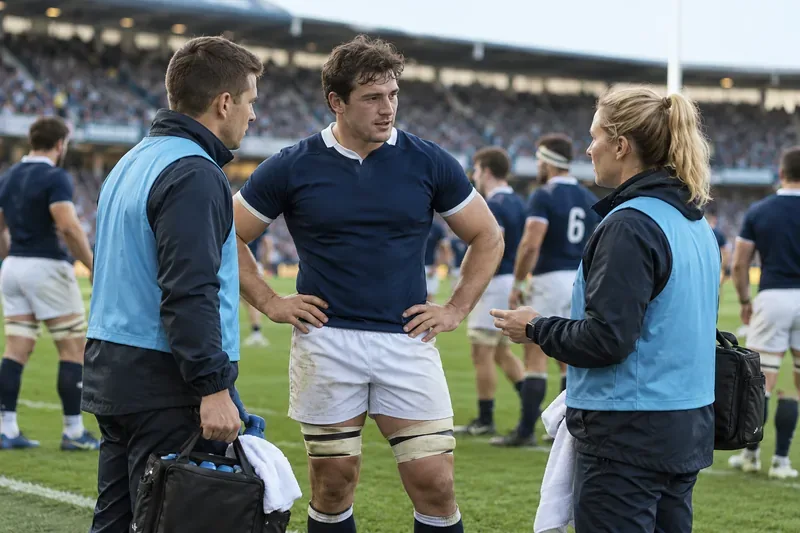
Learn when rugby’s HIA temporary replacement applies, what the 12-minute rule means, who can return, and why some head injuries require permanent removal.
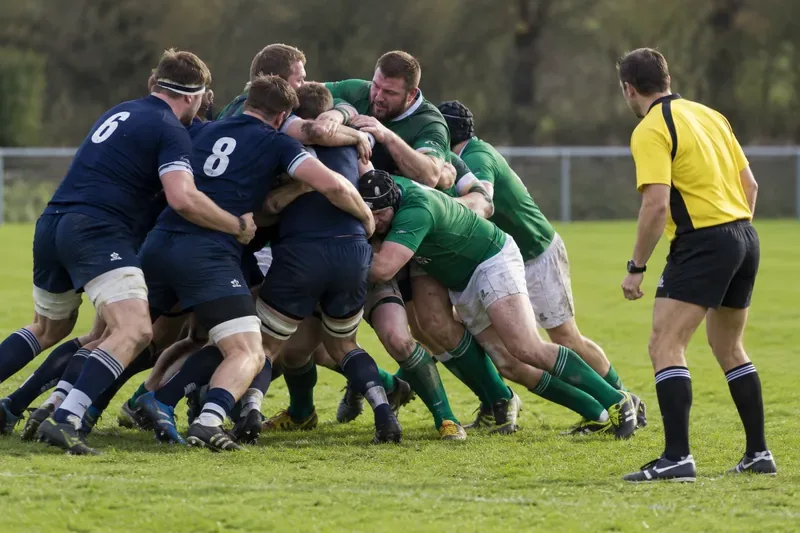
Learn when a collapsed rugby maul leads to a penalty, when it leads to a scrum, and which legal choices players can make under World Rugby Law 16.
Learn when a rugby jackal is legal: entry direction, feet, tackle release, hands-on timing, ruck formation, and the latest World Rugby clarification.
Learn how rugby union bonus points affect pool standings, why tie rules vary by tournament, and how to apply the tiebreak order to a hypothetical pool.