What Is R6? Rainbow Six Siege Explained (2026)
R6 is short for Rainbow Six, Ubisoft’s tactical shooter franchise. In everyday gaming conversations, “R6” usually means Tom Clancy’s Rainbow Six Siege, the series’ best-known competitive game. Its core mode is a round-based, 5v5 fight between attackers and defenders, built around specialist Operators, careful scouting, close-quarters combat, and destructible maps.
In 2025, Ubisoft introduced Siege X as a major evolution of Siege. It added upgrades to the core experience and a separate 6v6 mode called Dual Front, while keeping the familiar 5v5 attack-versus-defense format. Siege also now has permanent Free Access for selected modes. Here’s what the R6 name means and what playing the game involves in 2026.
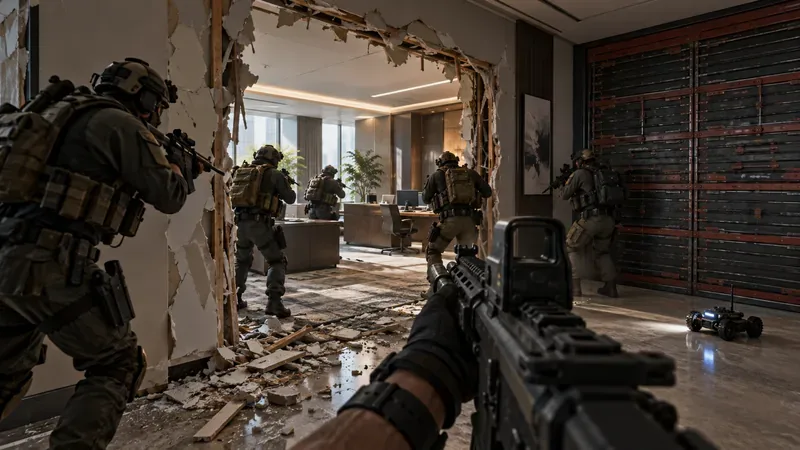
What does R6 mean?
“R6” is shorthand for the Rainbow Six franchise. The series has included multiple games, so the abbreviation can refer to the franchise as a whole. But when someone says “I play R6,” asks for an R6 Operator, or discusses R6 ranked matches, they are almost always talking about Rainbow Six Siege.
Rainbow Six Siege is a first-person shooter focused on small-team tactics rather than large maps or nonstop respawns. Ubisoft describes its core as tactical 5v5 attack-versus-defense gameplay, with Operators who have distinct abilities and environments that players can reshape. Siege X is an update and expanded version of Siege, not a separate sequel that players need to find in a store. Ubisoft announced Siege X as an evolution of the existing game, with the launch taking place on June 10, 2025.
For the official overview, see Ubisoft’s Rainbow Six Siege guide and its Siege X announcement.
How a standard R6 match works
In the classic 5v5 Siege mode, one team attacks while the other defends. Teams switch sides over the match, so players need to understand both jobs. The exact win condition depends on the playlist; in Bomb, for example, attackers try to plant and protect a defuser while defenders stop or disable it.
A round starts with a preparation period. Defenders use it to reinforce selected walls, set up gadgets, and prepare the objective area. Attackers use small remote-controlled drones to look for the objective and gather information before entering. Once the action phase begins, the attacking team has to make a plan, breach a route, and complete its objective or eliminate the defenders. The defenders try to delay or stop that push.
In these core rounds, an Operator who is eliminated does not respawn before the round ends. That makes survival, communication, and sharing information valuable: a well-timed callout can help a teammate even after you are out of the fight. This measured pace is a major difference between Siege and shooters where players quickly return after each elimination.
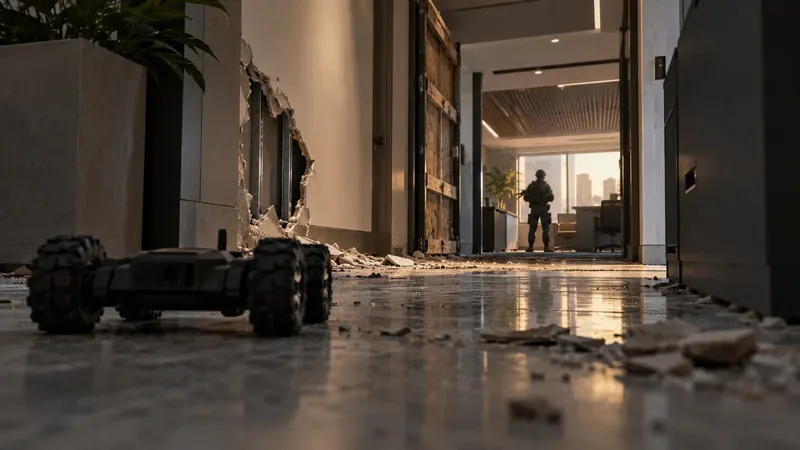
Operators and gadgets make team composition matter
Before a round, you choose an Operator, Siege’s term for its playable specialists. Operators are assigned to attack or defense and bring different signature gadgets and loadouts. Depending on the character, a gadget might help breach a barrier, gather intel, deny an entry route, protect a position, or counter an enemy device.
The point is not simply to pick the Operator with the strongest weapon. A lineup works best when its abilities support a shared plan. An attacker who can open reinforced barriers may create a route for teammates; a defender with surveillance or denial tools may help the team spot and slow that push. Learning a few Operators on each side is more useful at first than trying to memorize the entire roster.
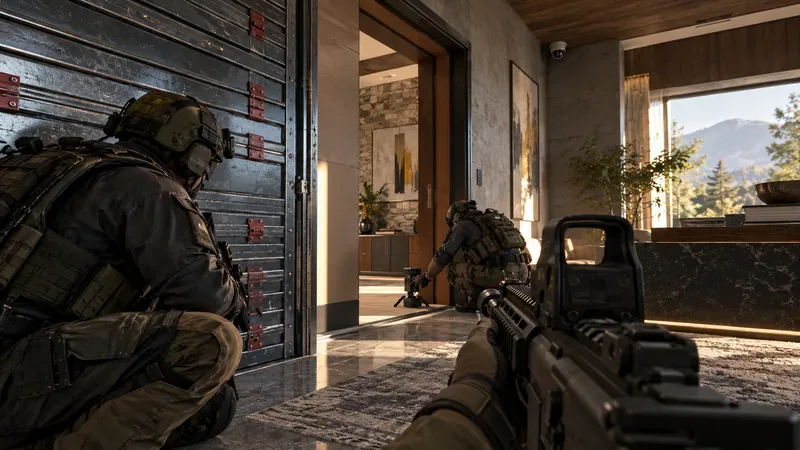
Why destructible maps change every round
Environmental destruction is one of Siege’s defining features. Many soft walls, floors, and ceilings can be damaged or opened, creating new entry points and lines of sight. Defenders can reinforce certain surfaces to make them harder to breach. As a result, a room is not just a fixed box: teams alter the space to expose angles, block routes, or create safer movement between rooms.
That makes information important. Attackers can use drones and cameras to check a room before committing, while defenders can watch likely approaches and listen for movement or breaching. A team that knows where the opponents are can choose when to push, rotate, or hold. Rushing without checking the map can expose a player to an angle they did not know existed.
What Siege X changed
Siege X brought a broad set of updates to Rainbow Six Siege, including visual and audio improvements, changes to rappelling, modernized maps, and additional destruction elements. The original 5v5 tactical mode remains central to the game, but Siege X also introduced Dual Front, a permanent 6v6 mode with a different flow: both teams use attacking and defending Operators, fight over sectors, and can respawn during the match. It is an alternative playlist, not how standard 5v5 rounds work.
Dual Front is not available on PlayStation 4 or Xbox One, according to Ubisoft’s Siege X launch information. Ubisoft lists Siege on PlayStation, Xbox, and Windows PC, with PC storefront choices including Ubisoft Connect, Steam, and Epic Games Store. Platform and mode availability can differ, so check the official Siege X platform details before installing.
Is R6 free to play?
As of 2026, Ubisoft offers permanent Free Access, so new players can try selected parts of Siege without buying a full premium offer or waiting for a limited-time trial. Ubisoft’s current page lists Quick Match, Unranked, and Dual Front with a selection of Operators. Paid access unlocks additional Operators and features such as Ranked and Siege Cup; Ranked access also requires reaching the listed player-level requirement. The exact available offer may vary by platform or region, so use the official Free Access page for the current terms.
Is Rainbow Six Siege a good fit for new players?
R6 is a good match if you enjoy learning maps, coordinating with a team, and making decisions with limited information. It can be demanding at first because Operators, map layouts, sightlines, and sound cues all affect a round. New players can make the learning curve easier by sticking with a small group of maps, using their drones before entry, and choosing one or two Operators whose gadgets they understand.
- Scout before pushing: Use the preparation phase to find the objective and check likely defender positions.
- Play your role: Use your Operator’s gadget to support the team’s plan instead of saving it until the round is nearly over.
- Learn a few maps at a time: Knowing common rooms and routes helps you interpret callouts and avoid exposed paths.
- Communicate useful information: Short, specific callouts about a location or gadget can be more useful than chasing an elimination.
Frequently asked questions
Is R6 the same as Rainbow Six Siege?
Usually, yes. R6 technically refers to the Rainbow Six franchise, but in most current multiplayer conversations it means Rainbow Six Siege.
Is Siege X a different game?
No. Siege X is the name for a major evolution of Rainbow Six Siege, launched as an update to the existing game in 2025.
Is R6 a battle royale?
No. Siege’s signature mode is a small-team tactical shooter with attackers and defenders fighting over objectives. Dual Front is a separate 6v6 mode with its own rules.
Can I try R6 without paying?
Yes. Ubisoft currently offers permanent Free Access to selected modes and a limited Operator selection. Ranked and some other features require a paid offer and meeting the relevant in-game requirements.









