How to Import Custom Crosshair Codes in VALORANT: Steps, Options, and Fixes
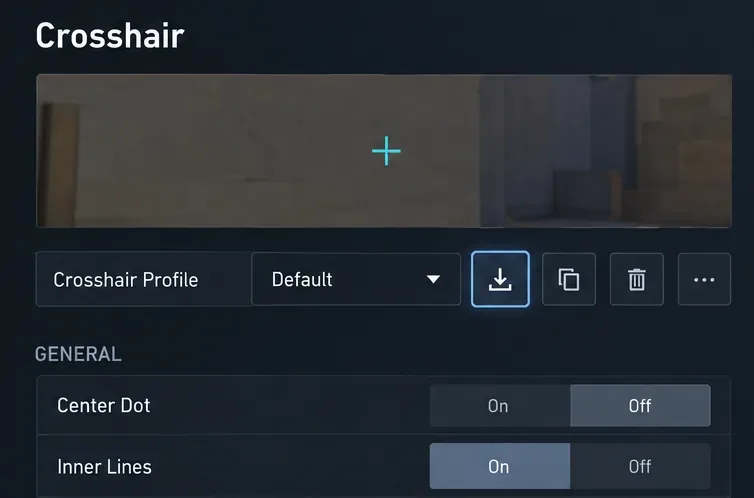
Learn how to import VALORANT crosshair codes, compare presets with manual settings and spectator copy, and fix common import issues.
If Fortnite is lagging today, first find out whether the problem is an Epic service issue, your connection to the match server, or the game’s frame rate. Check Epic’s live status, then compare the ping and packet-loss indicators in Fortnite with what you see on screen. That quick diagnosis prevents you from changing graphics settings when the real issue is your network—or rebooting your router when the game is simply rendering slowly.
There is no universal “good internet speed” that guarantees a smooth match. Download bandwidth, ping, packet loss, jitter, and FPS measure different things. Follow the checks below in order; they apply to PC and console unless a step is marked PC-only.
| What you notice | Likely cause | First check |
|---|---|---|
| Unable to log in, join matchmaking, or connect to a match | Epic service interruption or a connection problem | Epic Games server status |
| Your character snaps backward, opponents jump, or actions register late | High or unstable ping, packet loss, or network congestion | Fortnite Net Debug Stats and other network activity at home |
| The picture hitches or feels uneven while network indicators look steady | Low or inconsistent FPS, heat, or a graphics issue | FPS counter, PC graphics settings, and device temperature |
| It happens mainly in the evening or while another device is uploading | Congestion or a route problem between your ISP and the game server | Compare a quiet connection with the same network under load |
Open the official Epic Games Public Status page and look at Fortnite, login, matchmaking, and related game services. Check the incident details and history as well as the overall banner: a problem can affect one component or region without every Epic service being down.
If a relevant component is degraded or unavailable, wait for Epic to resolve it and check the status page again. Local changes such as reinstalling Fortnite or resetting your router cannot fix a server-side outage. If all listed services are operational, continue—the status page rules out many broad incidents, but it cannot guarantee that every player’s ISP route or region is problem-free.
In the Fortnite lobby, open the menu, choose Settings, go to the Game UI tab, turn Net Debug Stats on, and apply the change. Epic says the network details appear in the top-left corner. Menu labels can vary slightly by platform or update. Follow Epic’s instructions for viewing network performance details if the option has moved.
Watch the indicators during a match, especially when the problem occurs:
A speed-test result alone cannot diagnose Fortnite lag. Download speed measures how much data can arrive over time; it does not show the exact route, latency, or packet loss to the server hosting your match.
Pause large downloads, game updates, cloud backups, and high-resolution video streams while you test. Uploads can be especially disruptive on home connections with limited upload capacity. If other people are using the same network, ask them to pause heavy transfers briefly and see whether Fortnite’s ping becomes steadier.
Try one change at a time and compare the in-game indicators. That makes it easier to tell whether Ethernet, a quieter network, or a router restart actually helped.
Fortnite matches can run on different subregions within a matchmaking region, so your ping may vary from match to match. In Fortnite’s Settings > Game > Language and Region area, review the available region or subregion preference. Epic says choosing a subregion can help you land in a preferred area more often, but it may increase queue times or affect match quality. Use a nearby option that suits your location; do not select a distant region just because one match happened to feel smoother.
For a more useful network test, Epic publishes ping endpoints for its subregions and explains how to test them on Windows 11 and macOS. Use the endpoint nearest your matchmaking area and compare average ping, packet loss, and the spread between minimum and maximum results. The test uses ICMP, while Fortnite gameplay uses UDP, so a normal test does not rule out a problem on the game’s route. See Epic’s Fortnite latency and ping troubleshooting guide for the current endpoint list and commands.
If the same test is consistently poor, or in-game ping is much worse than the endpoint result, record the time, endpoint, test results, and affected Fortnite mode. Share those details with your internet service provider or Epic Support. A VPN changes your route and can sometimes change latency, but it can also make it worse; do not treat it as a guaranteed fix.
This section is mainly for PC players. If Fortnite’s network indicators are steady but the frame rate falls, lower the rendering load before changing network settings. In Fortnite’s display options, try Performance – Lower Graphical Fidelity, apply the change, and restart the game if prompted. The exact menu can change with updates. Epic’s low-FPS troubleshooting guide covers Performance Mode and other current checks.
On PlayStation, Xbox, or Nintendo Switch, close and relaunch Fortnite, check for game and system updates, and make sure the console has room to ventilate. PC-only rendering options and GPU drivers do not apply to those platforms.
Check the Epic Games Public Status page for the current state of Fortnite, login, and matchmaking. The answer can change during the day, so use the live page instead of relying on an old status report or a third-party outage estimate.
Fast download speed does not ensure a short or stable route to the Fortnite server. Ping can rise because of congestion, routing, or the specific server selected for a match. Check the game’s network stats and test your connection to an Epic endpoint for your subregion.
Lower, consistent ping is preferable, but there is no universal number that fits every region, route, or player. Look for sudden spikes and jitter compared with your usual results. Also check packet loss; Epic warns that consistent loss above about 1% can affect gameplay.
Low ping does not measure frame rate. If the image freezes or hitches while network stats remain steady, check FPS, graphics load, background programs, heat, and game files. If characters teleport or actions arrive late, investigate packet loss and connection stability instead.
Learn how to import VALORANT crosshair codes, compare presets with manual settings and spectator copy, and fix common import issues.
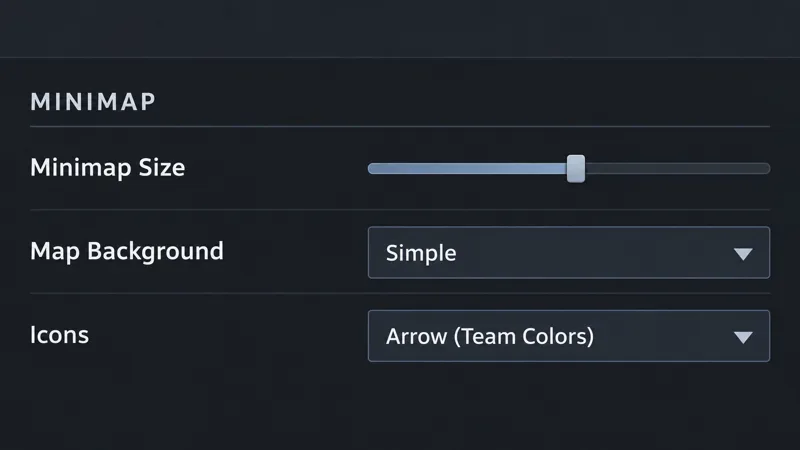
Choose Dota 2 minimap size, hero icons, team colors, and background settings by readability, fewer misclicks, and clear results on your own display.
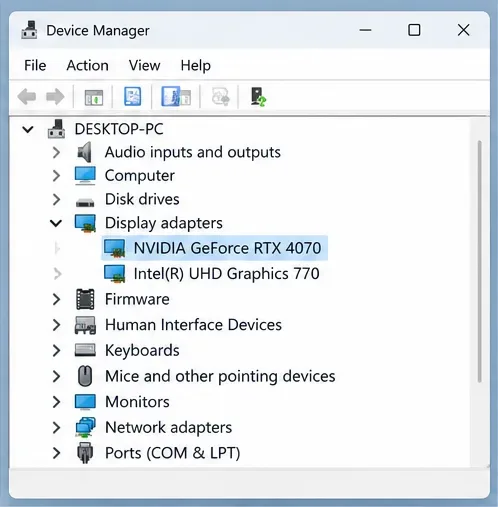
Fix Fortnite texture pop-in on PC with official steps for GPU drivers, file verification, DirectX 12, high-resolution textures, VRAM, SSDs, and stutter.
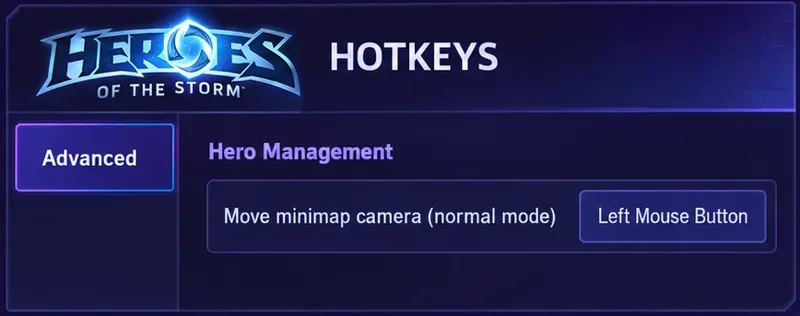
Learn what Heroes of the Storm minimap size and position options are verified, improve readability, and choose camera-click controls that suit you.
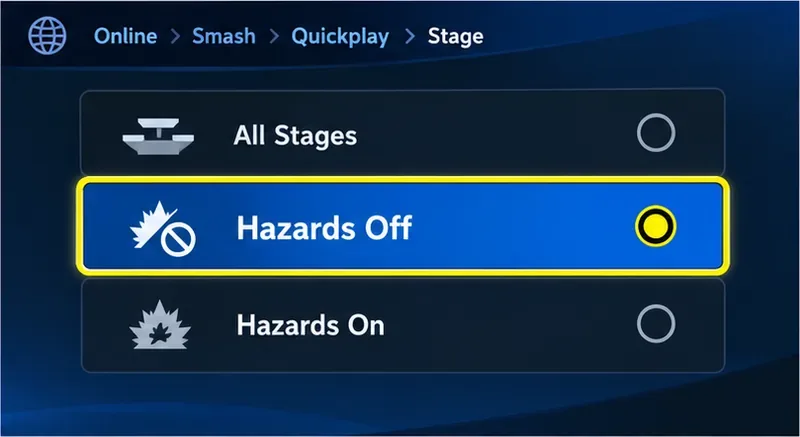
Set Super Smash Bros. Ultimate Quickplay to prefer hazards-off stages. Follow the Preferred Rules menu steps and learn why matchmaking may not always honor them.
Enable Server Latency and Packet Loss in Warzone to monitor connection quality, read the overlay, and use recurring spikes to guide troubleshooting.
Learn how to carry from mid lane in League of Legends by setting up waves, choosing safe roam windows, reading side lanes, and converting pressure into objectives.
Fix Minecraft Evoker spell problems with a safe vanilla test, version checks, log review, and a step-by-step way to isolate mod or datapack conflicts.
Fix PUBG stuck on Initializing on Steam with a focused checklist for PC service notices, launch options, game files, downloads, and connection issues.
Fix Brawl Stars stuck at 92% loading with an ordered checklist for service notices, network tests, safe updates, Android cache, and account-safe reinstalling.