How to Play Fortnite on Mac (2026 Guide)
You can play Fortnite on a Mac in 2026 through cloud gaming, even though Epic does not offer a current native macOS version of the game. Epic lists Xbox Cloud Gaming, NVIDIA GeForce NOW, and Amazon Luna as ways to stream Fortnite to a Mac. The game runs on a remote system, while your Mac displays the stream and sends your controls over the internet, so this works on both Intel and Apple silicon Macs when the service and browser are supported in your region.
For many players, Xbox Cloud Gaming is the quickest place to start: Xbox currently lists Fortnite as free to play in the cloud, and you do not need an Xbox console. GeForce NOW is another option if you want to connect your Epic account and use NVIDIA's cloud PC service. Service availability, membership limits, and input support vary, so check the provider's current terms before paying for a plan.
Choose a way to play Fortnite on Mac
| Option | What you need | Best fit |
|---|---|---|
| Xbox Cloud Gaming | A Microsoft account, supported browser, and a region where Fortnite cloud play is available. Xbox lists Fortnite as free to play. | A quick first try without installing the game. |
| NVIDIA GeForce NOW | An NVIDIA account, supported Mac app or browser, and an Epic Games account. | Players who want to stream through NVIDIA and connect their Epic library. |
| Amazon Luna | An Amazon account and Luna access in a supported country; plan and game availability can differ. | Players who already use Luna or can access it locally. |
| Boot Camp on Intel Mac | An Intel Mac that supports Boot Camp, Windows installation, and Fortnite's PC requirements. | An older, more involved workaround; generally not the simplest 2026 choice. |
Epic's Mac availability guide links to its current cloud options. A provider may not be offered everywhere, and the game catalog or plan rules can change.
Step 1: Prepare your Mac and Epic Games account
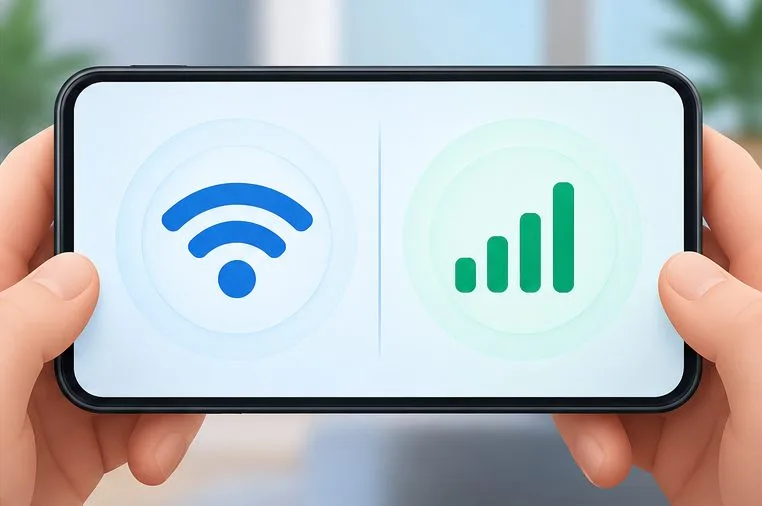
Cloud gaming does not install Fortnite's large game files on your Mac, but your browser and connection still matter. Update macOS and your browser, close downloads or video streams, and use a stable Wi-Fi or wired connection. If you already play Fortnite on console or PC, use the same Epic Games account you already use. Creating a second account can make it look as if your skins or progress are missing.
If you need an account, create one through the Epic Games sign-up page. Epic says linked platform accounts share purchased content and game progress, with an exception for some V-Bucks balances. In particular, a balance can differ by platform, so do not assume every purchased V-Buck transfers. See Epic's guidance on Fortnite purchases and progress across platforms and V-Bucks shared-wallet limits.
Step 2: Start Fortnite with Xbox Cloud Gaming
- Open Xbox Cloud Gaming in a supported browser on your Mac.
- Sign in with a Microsoft account, or create one if you do not have one.
- Find Fortnite in the cloud game catalog and select Play.
- If the game asks you to connect an Epic account, sign in to the account that holds your Fortnite progress and cosmetics.
Xbox currently marks Fortnite as playable in the cloud for free; this Fortnite access does not require you to own an Xbox console or subscribe to Game Pass. You still need internet access, a Microsoft sign-in, and service availability in your location. Microsoft's launch announcement describes free Fortnite access through Xbox Cloud Gaming, and the live catalog shows current access details.
A controller is a reliable choice for cloud play. Pair a supported Bluetooth controller in macOS System Settings before launching. If you prefer keyboard and mouse, check the current control support for the selected service and game; browser support can differ from a locally installed PC game.
Step 3: Use GeForce NOW or Amazon Luna
GeForce NOW
- Open NVIDIA's GeForce NOW download page to install its Mac app, or use a browser listed in its system requirements.
- Sign in to or create an NVIDIA account. Search for Fortnite in the service.
- Connect the correct Epic Games account if prompted, then choose Play and complete any sign-in or permission screens.
Epic's support instructions explain how to connect Epic Games with GeForce NOW. The service has offered different free and paid memberships, but queues, session limits, monthly playtime, features, and prices depend on the current plan and region. Review the terms shown for your account before upgrading. For streaming from a browser on Mac, NVIDIA currently lists Safari 16.4 or later and Chrome 77 or later, and recommends at least 15 Mbps for HD at up to 60 frames per second or 25 Mbps for 1080p at 60 fps. Its network guidance also calls for latency below 80 ms to an NVIDIA data center. Check NVIDIA's live GeForce NOW system requirements for updates.
Amazon Luna
Epic also lists Amazon Luna as a Fortnite cloud option. Open Epic's cloud-streaming service guide, follow its Luna link, and check that Luna and the Fortnite experience you want are available where you live. Sign in with the account requested by Luna and link or sign in to Epic when prompted. Luna membership and catalog details vary, so confirm them on Amazon before subscribing.
Step 4: Improve stream quality and fix common problems
Cloud gaming responds best to a consistent connection, not just a high speed-test number. Connect your Mac to Ethernet with a compatible adapter if possible, or use a strong 5 GHz Wi-Fi signal near the router. Pause large downloads and cloud backups, and avoid running other video streams. In GeForce NOW, choose the nearest available data-center region. If the image breaks up or controls feel delayed, lower the streaming resolution or frame-rate setting, then test again.
- Fortnite does not appear: confirm that the provider supports Fortnite in your country, refresh the catalog, and check that you are signed in to the intended cloud account.
- Your cosmetics or progress seem missing: sign out and connect the Epic account you used on your other device. Do not create or link a second Epic account just to get past a prompt.
- The stream stutters: test the connection, switch from congested Wi-Fi to Ethernet or 5 GHz Wi-Fi, close bandwidth-heavy apps, and reduce stream quality.
- Your controller is not responding: verify that macOS shows it as connected, use a controller supported by the cloud provider, and reconnect it before restarting the stream.
Is Boot Camp still an option?
Boot Camp can install Windows on certain Intel-based Macs; Apple does not support Boot Camp on M-series Macs. Apple documents installing Windows 10 with Boot Camp, but Microsoft ended standard Windows 10 support on October 14, 2025. Fortnite's PC requirements list Windows 10 22H2 or Windows 11, but an Intel Mac must also meet the game's graphics and memory requirements. Boot Camp is therefore a legacy route with more setup and support trade-offs. It is not the path to try on Apple silicon, and it is usually easier to start with cloud gaming. Do not confuse Boot Camp's native Windows boot with running Fortnite inside Parallels: Epic says virtual machines and other non-native operating systems are unsupported.
Read Apple's Boot Camp Windows installation guidance, Microsoft's Windows 10 support notice, and Epic's Fortnite PC requirements before setting up Windows.
Frequently asked questions
Can I play Fortnite on a MacBook Air with an M-series chip?
Yes. Xbox Cloud Gaming, GeForce NOW, and Amazon Luna stream the game, so the MacBook Air does not need to run the Windows game locally. You still need a supported browser or app, a suitable connection, and regional access to the service.
Is Fortnite free to play on Mac?
Fortnite itself is free to play. Xbox lists Fortnite cloud play for free in supported locations. Other cloud services may have free access, paid memberships, queues, or session limits, so check the current terms where you live.
Do I need Game Pass to play Fortnite through Xbox Cloud Gaming?
Xbox currently lists Fortnite as free to play through its cloud catalog. A Microsoft account is needed, but a Game Pass subscription is not listed as a requirement for Fortnite's free cloud access. Availability can vary by location.