How to Get Better at VALORANT (2026 Guide)
How to get better at VALORANT is less about finding a secret sensitivity or playing all night and more about repeating sound decisions: aim at likely head height, stop before firing, use utility with a purpose, share useful information, and learn from your rounds. A short practice plan built around one weakness at a time is easier to sustain and more useful than chasing highlight plays.
Use the eight habits below as a practical improvement plan. You do not need to master them all in one session. Pick one focus, apply it in a few matches, and review whether it changed your decisions.
1. Keep your crosshair where a fight can happen
Crosshair placement gives you a head start before an enemy appears. As you move, hold your crosshair around the height an opponent’s head would be at the angle you are clearing. Pre-aim common doorways and corners instead of looking at the floor or swinging with your crosshair far from the likely target.
Adjust for slopes, boxes, stairs, and different elevations; head height is relative to the position you expect an opponent to occupy, not one fixed point on your screen. In a Deathmatch or an Unrated round, pay attention to where your crosshair was when contact began. The goal is to make a small correction, not a full flick, when a duel starts.
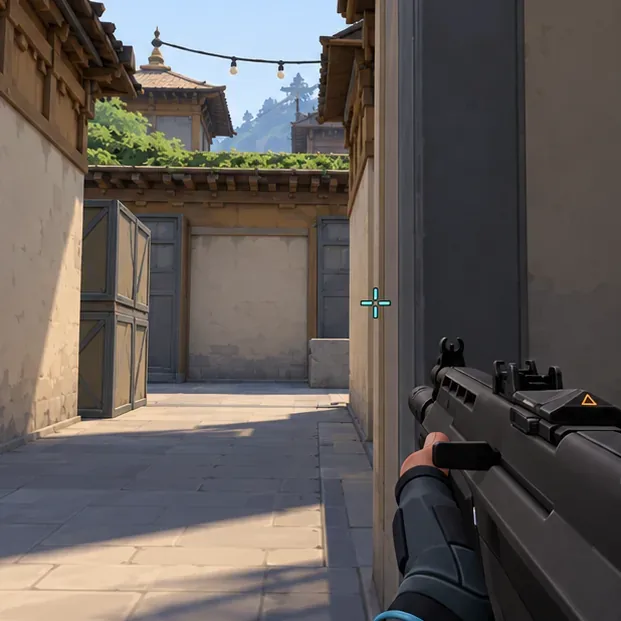
2. Stop moving before you shoot
VALORANT’s gun accuracy is affected by movement. When an enemy appears, release your movement keys or use a brief counter-strafe to stop, then fire once your weapon has settled. Tapping the opposite direction can help you brake, but it is not a magic instant-accuracy trick; the useful habit is to avoid shooting while you are still moving.
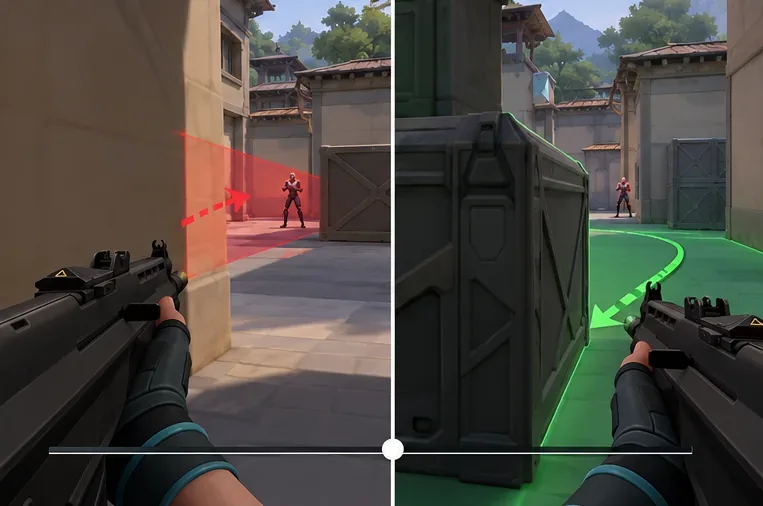
Peek with a reason and expose yourself to one likely angle at a time. If you swing into several sightlines at once, multiple defenders may be able to shoot you. Use cover to pause, gather information, and decide whether to fight, fall back, or ask for utility. Start with controlled shots or short bursts, then reset your aim instead of holding the trigger through every duel.
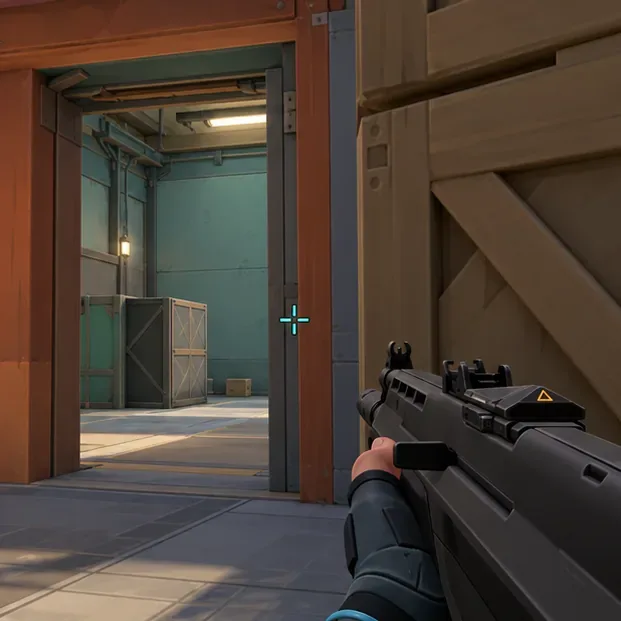
3. Learn the map and give your agent a clear job
Map knowledge turns aim into better decisions. Learn the names your team uses for main areas, common defender positions, safe rotation paths, and which angles can see a doorway. Before a round, decide what space you want to take or defend and which ability can help you do it.
Choose one main agent and a backup you can play comfortably. Understand how your role contributes: a Duelist can help start an entry, an Initiator can gather information or disrupt defenders, a Controller can block sightlines, and a Sentinel can help secure space. Team composition is flexible, so choose based on the map, your teammates, and the plan instead of picking an agent only because a guide calls it “best.” Riot’s Beginner’s Guide explains the role and round basics.
Use abilities before a fight when they can change what the enemy sees or where they can stand. A smoke, flash, recon tool, or trap is most useful when it supports a teammate’s next move. Tell your team what you are using so they can act during its window.
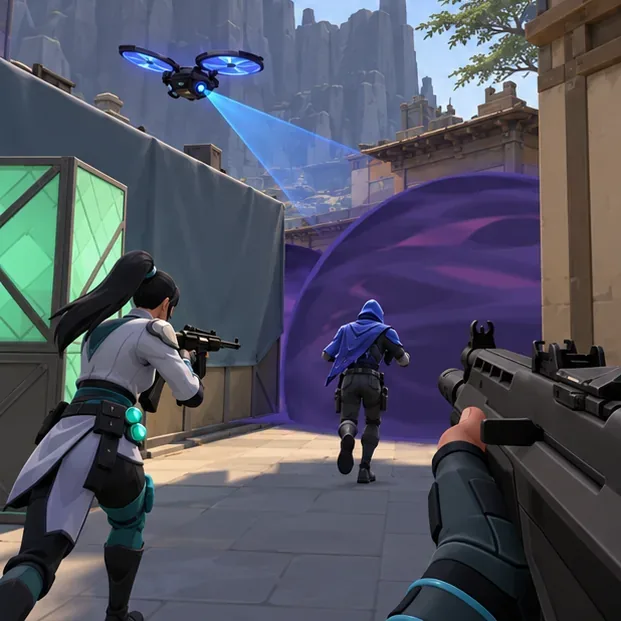
Current map-pool note: Riot’s Patch 13.08 notes, published October 13, 2026, put Bind and Corrode into the Competitive and Deathmatch queues and removed Ascent and Split. Map pools can change again, so use the current in-client queue and patch notes when choosing what to practice. Read Riot’s Patch 13.08 notes.
4. Check the minimap and make concise callouts
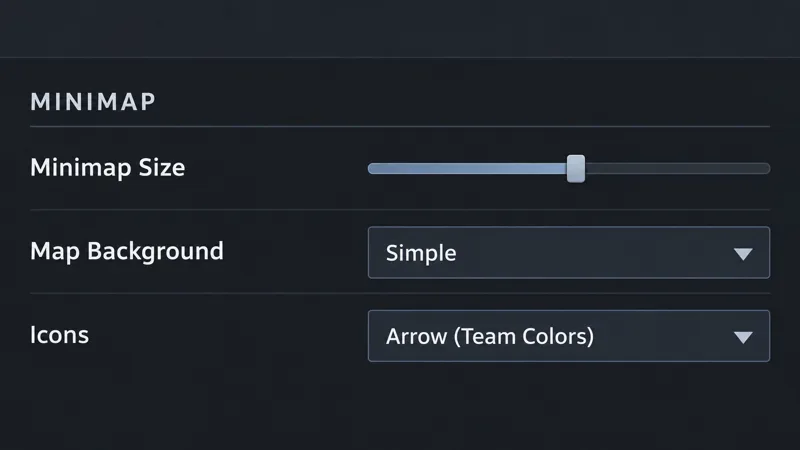
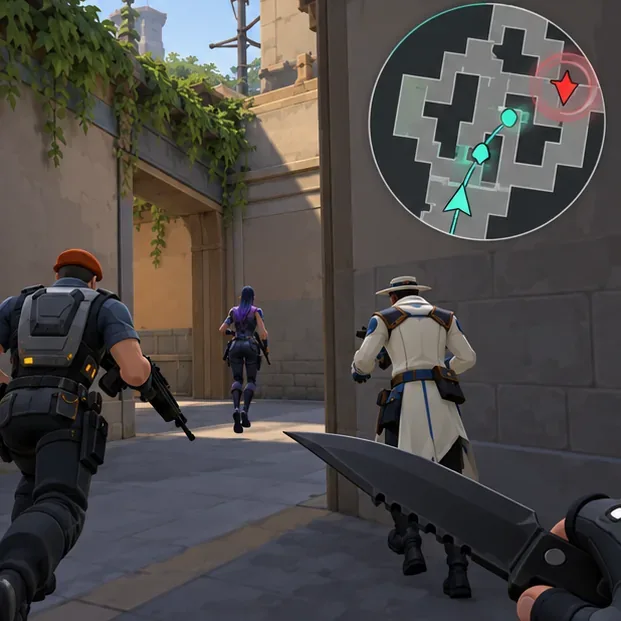
Use the minimap whenever you have a safe moment: after a teammate spots an opponent, when a site is under pressure, or while you are rotating. It helps you notice where teammates are, which areas have information, and where the team may be exposed. Treat enemy positions as time-sensitive; an old sighting does not guarantee the opponent is still there.
A useful callout is short and specific: say the number of enemies, the location, and what they are doing if you know it—for example, “Two pushing B main.” If you do not use voice chat, use the in-game ping or voice lines. Avoid guessing about an enemy’s position; clear information helps more than confident but outdated information.
5. Warm up with a goal, not a long checklist
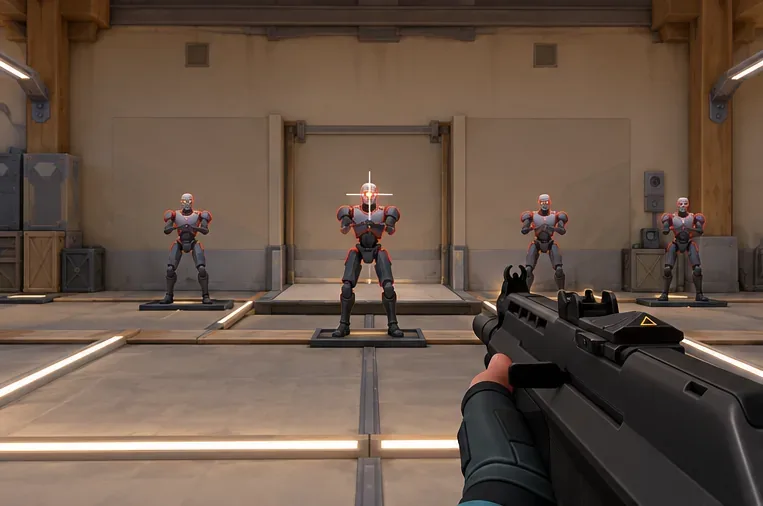
Aim training works best when each drill has a purpose. Spend a few minutes in The Range practicing controlled head-level shots, then play a short Deathmatch or another low-stakes mode with one focus, such as stopping before firing or keeping your crosshair at head height. Keep the drill short enough that you can stay attentive.
Do not treat a warm-up score as a forecast of your rank or a reason to keep grinding until you feel perfect. Your routine is there to get your hands and attention ready. If you are consistently missing because your sensitivity feels uncontrollable, change it gradually and give the new setting time; frequent changes make it harder to build consistent mouse control.
6. Make economy decisions with your team
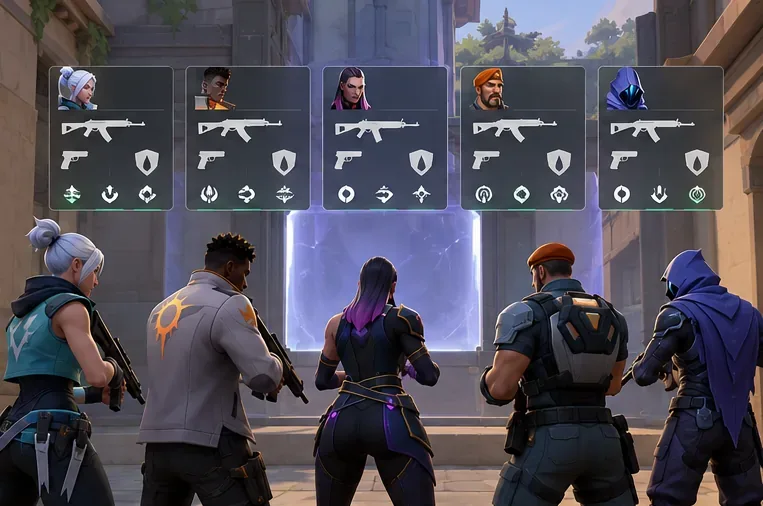
Before the buy phase ends, look at your credits, your teammates’ purchases, and the likely next-round plan. A coordinated full buy, a save, or a force buy can each make sense in context; a rigid rule such as “always buy a rifle” ignores team resources and the round situation. Tell teammates what you can afford and whether you are saving so the team can make a shared decision.
Consider the value of armor and abilities as well as the weapon. If you are defending, buy utility that supports your assigned area. If you are attacking, consider whether your team has the tools it needs to take space or cross a dangerous sightline. Riot’s beginner guide also recommends matching purchases to your credits, agent, playstyle, and team strategy.
7. Review one round in VALORANT’s replay system
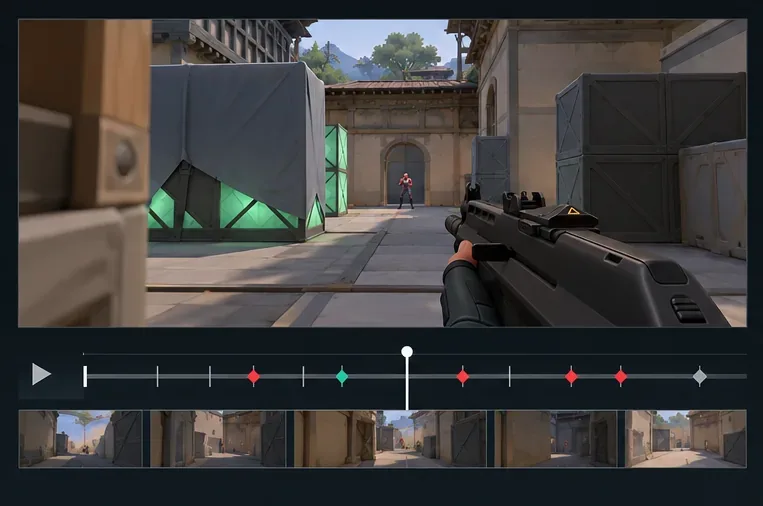
When a death feels confusing, review that round instead of relying on memory. Riot’s replay system lets you move between rounds and inspect first-person views, so you can check what you actually saw, when you fired, and how your position was exposed. Replays are available for eligible matches; custom-game recording can depend on lobby settings. Riot’s Replay FAQ lists the current controls, supported modes, and known limitations.
Ask specific questions: Was my crosshair ready? Was I still moving? Did I peek more than one angle? Did I have useful utility? Could I have waited for a teammate to trade? Watch your own first-person view when judging what information you had. An observer view can show things your player did not know, and Riot documents a few replay limitations that can affect how details appear.
8. Turn each review into one change
Reviewing only helps if it changes what you do next. Pick one repeat mistake—such as entering a site without clearing close corners, taking the same exposed fight, or using a smoke after teammates have already pushed—and write a short correction for your next session. Then focus on that correction for a few rounds before adding another goal.
Track patterns over multiple matches rather than letting a single win or loss define your progress. Note recurring first deaths, missed trades, rushed shots, or utility you forgot to use. As of Patch 13.08, VALORANT also has a per-map Map Rating for Competitive and Premier. It combines map-specific results and Performance Score into a rating and grade, so it can help you spot a map that needs attention; it does not tell you exactly what to fix. Use Riot’s current patch notes for details.
How long does it take to get better at VALORANT?
There is no reliable timetable for a rank increase. Progress depends on your starting point, how deliberately you practice, the quality of your decisions, and how often you play. A better near-term measure is whether you are repeating fewer mistakes: cleaner first shots, safer peeks, more useful callouts, and rounds where your utility supports the plan. Keep your settings stable, review specific rounds, and adjust your practice as new patterns appear.
A focused VALORANT improvement checklist
- Before the match: warm up briefly with one aim or movement goal.
- During the match: pre-aim likely angles, stop before firing, and communicate fresh information.
- At the buy phase: coordinate purchases and utility with your team.
- After the match: review one round, identify one repeat mistake, and choose one correction.
Those habits build better aim and game sense together. Keep the focus narrow enough to use in real rounds, and let match evidence—not a promised timeline or a single scoreboard—guide what you practice next.