How to Get Better at Overwatch 2: A Practical 2026 Guide
To get better at Overwatch 2, practice one skill at a time, play a small hero pool, and review the decisions behind your deaths. More matches can help, but improvement comes faster when each session has a focus: warm up a core mechanic, make a deliberate choice in fights, then check whether it worked. Use the six steps below to build a repeatable routine for aim, positioning, team play, and game sense.
You do not need special gear, a coach, or a perfect win rate to start. A stable setup, the Practice Range, and a few minutes of replay review are enough to spot useful changes. Treat the timings below as a starting point; adjust them to your schedule and the hero you play.
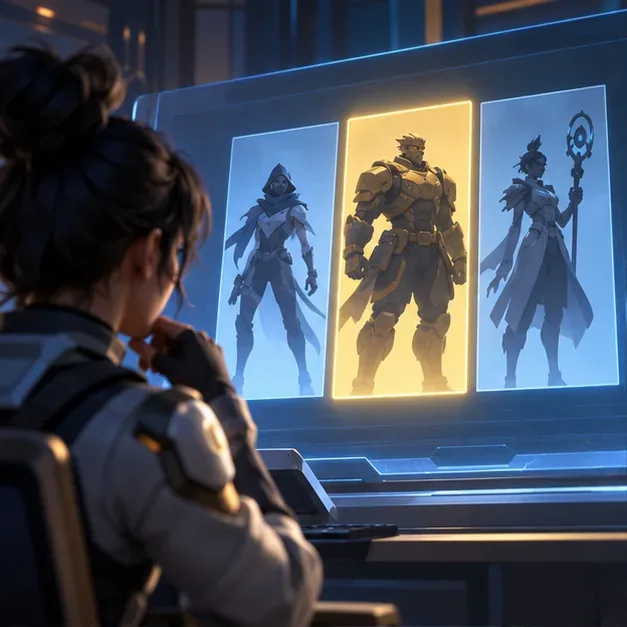
1. Build a small hero pool you can learn deeply
Choose one role to focus on first and learn two or three heroes in that role. Start with a main you enjoy, then add alternatives that give you a different way to handle a difficult map, enemy threat, or team need. A compact Overwatch 2 hero pool gives you time to learn weapon rhythm, movement, ability ranges, cooldowns, and matchups instead of relearning a new kit every game.
For each hero, define one job you want to do well. A Tank might focus on taking space without losing an escape route; a Damage hero might practice using an off-angle and returning safely; a Support might work on staying close enough to help while avoiding an exposed sightline. Keep the goal specific enough that you can tell whether you did it in a match.
Switch when a change solves a real problem, such as being unable to reach a dangerous target or having no answer to the enemy's pressure. Avoid swapping after every lost fight without a plan. Learning when your current pick can still work is part of building game sense.
2. Make your settings consistent, not fashionable
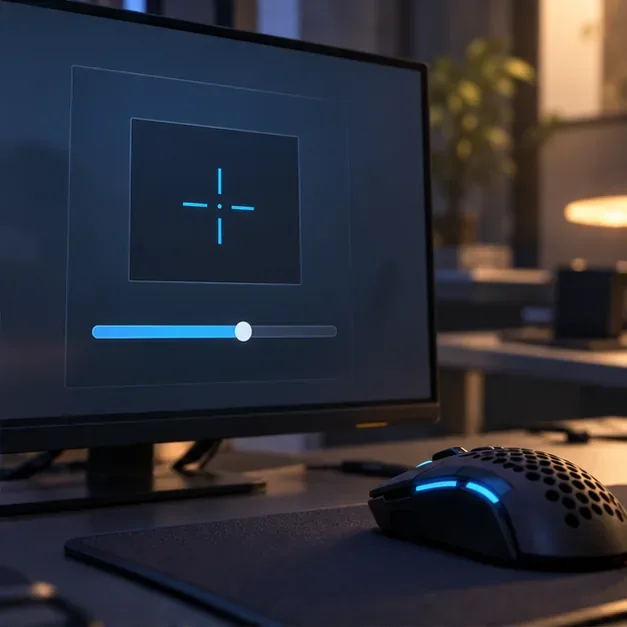
There is no single best sensitivity or crosshair for every player. Choose controls you can use comfortably, then test one adjustment at a time in the Practice Range. A small, high-contrast reticle can be easier to track against busy scenes, but the useful test is whether you can keep it on the target without straining or overcorrecting.
Once the controls feel workable, leave them alone for a stretch of practice so your aim has a consistent reference. If you change sensitivity, reticle, or key bindings every session, it becomes harder to tell whether a miss came from the setting or from your movement and timing. On PC, prioritize a stable frame rate; on console, use the aim controls that feel predictable on your controller. There is no universal number that guarantees better aim.
3. Warm up the skill your hero actually uses
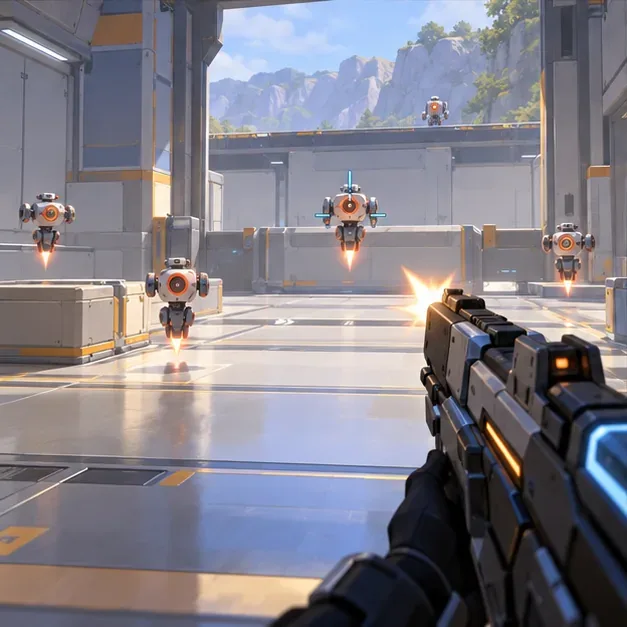
Spend about five minutes warming up before a serious queue. Use available Practice Range targets to rehearse the mechanic that matters for your hero: smooth tracking, switching between targets, landing projectiles, controlling recoil, or timing a movement ability. Blizzard's Practice Range update notes describe target practice options with different sizes and movement, though the live range can change over time.
- Start with slow, controlled aim and keep your crosshair near likely target height.
- Switch targets only when you can do it without losing control of your movement.
- Finish by rehearsing one hero-specific ability or weapon timing you often miss in matches.
A warm-up is preparation, not a score test. Stop when your hands and attention feel ready; extra drills are not useful if you are already tired or frustrated.
4. Improve positioning before blaming your aim
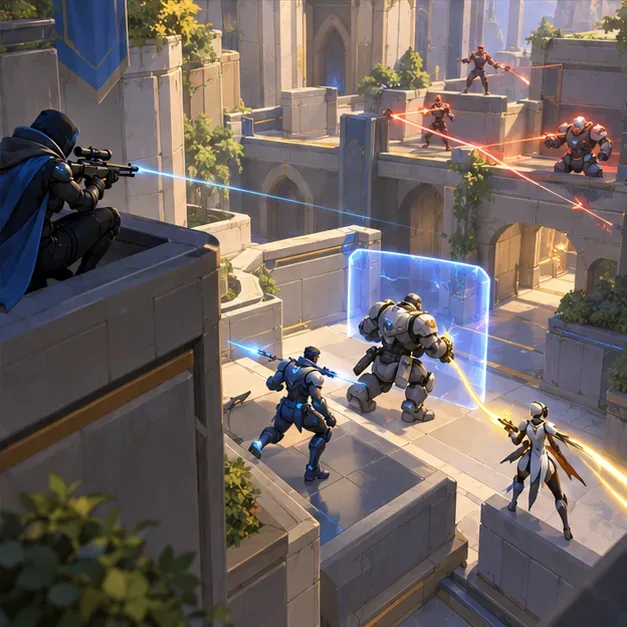
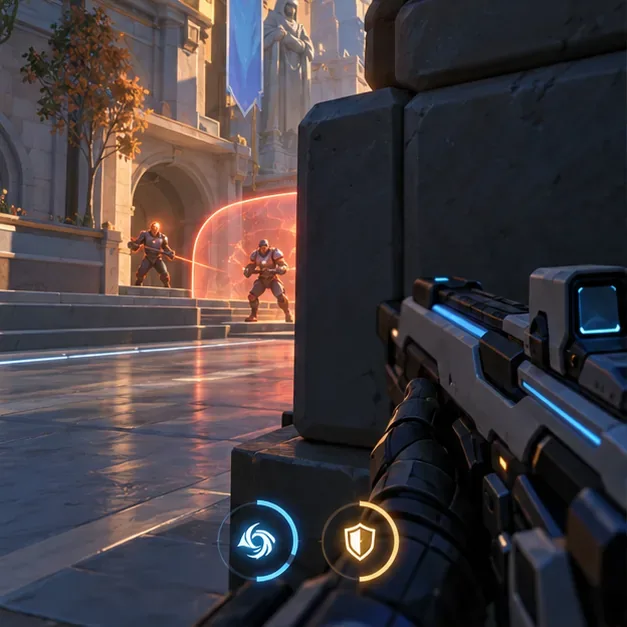
Good Overwatch 2 positioning gives you a way to deal damage, heal, or contest space while keeping cover and an exit within reach. Before a fight starts, notice the nearest wall or corner, where your teammates can support you, and which enemy can punish your angle. Move from cover to cover when the team advances, and avoid standing in the open while waiting for an opportunity.
Stay close enough to trade pressure or receive help, while leaving room to use your hero's range and mobility. A flank can be strong when it has a clear target and a safe route back. High ground can create a useful angle, but leave if holding it disconnects you from the next fight or exposes you to a dive. When your team is regrouping, avoid starting a fight alone unless you have a deliberate reason and can escape.
If you keep dying with decent aim, review where you were standing in the few seconds before each death. Ask whether cover was reachable, whether teammates were close enough to help, and whether you entered before your abilities or team were ready. One better position often gives you more time to aim and more chances to contribute.
5. Use cooldowns and ultimates with a purpose
Track your own cooldowns first. Before using an ability, ask what it is meant to accomplish: protect you, secure an elimination, help a teammate, or take space. If an ability is also your escape or your main defense, spending it for small damage can leave you vulnerable when the next threat arrives.
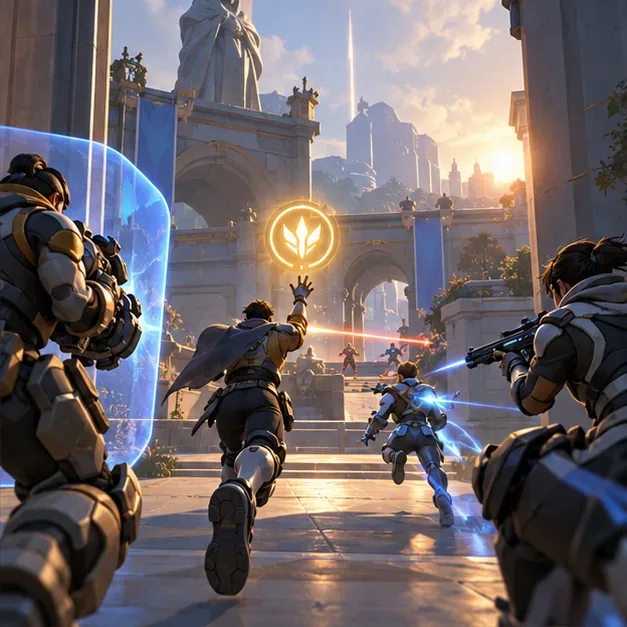
For ultimates, connect the timing to an objective or a fight advantage. You do not have to wait for a perfect multi-player highlight; an ultimate can be valuable if it forces important enemy abilities, wins a key duel, or helps your team take or hold the objective. Check whether a teammate is ready to follow up and avoid stacking multiple ultimates when one can do the job. Since enemy charge is not always visible, learn likely timing from what you have seen them do and communicate what you know without treating a guess as fact.
Use brief, actionable voice or text calls: name the threat, say when an ultimate is ready, or ask the team to regroup before pushing. Keep useful pings available, and mute disruptive chat if it is making it harder to focus.
6. Review a few deaths and choose one correction
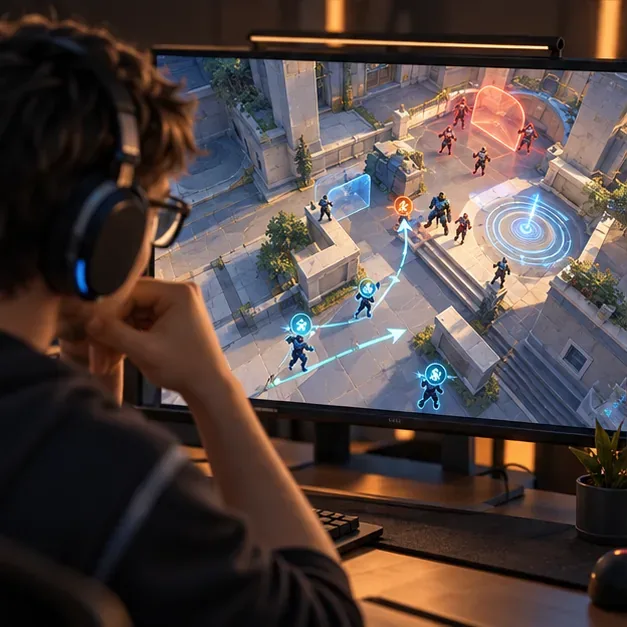
The in-game replay viewer lets you look back at a fight from other viewpoints and at a slower pace. Blizzard's official replay feature overview explains how replay perspectives can help players examine what happened. Replay availability and codes are patch-sensitive: current Overwatch patch notes report when codes have been wiped or remain available, so review important matches before a patch changes access.
Pick two or three deaths, or one lost team fight, and pause a few seconds before the mistake. Check:
- What could I see at that moment, and what information did I miss?
- Was I too far from cover, teammates, or the objective?
- Did I spend a key cooldown early or enter before my team was ready?
- What is one safer or more useful action I can try next time?
Also review a successful fight occasionally. Identify what created the advantage—an early pick, a safe angle, an enemy cooldown used, or a good regroup—and repeat that decision. Write one behavior to practice in your next session. Avoid judging improvement by a single match's eliminations or damage; look for decisions you can control over time.
A simple practice plan for your next session
| Part of the session | What to do | What to focus on |
|---|---|---|
| Warm-up | Spend about five minutes in the Practice Range. | One hero-specific mechanic, with controlled movement. |
| Matches | Play your selected role and small hero pool. | Keep one goal in mind, such as using cover before a duel. |
| Review | Watch a few deaths or one lost fight. | Find the earliest decision that made the fight harder. |
| Next session | Write down one adjustment. | Test it in the next match before adding another goal. |
If you are tilted, tired, or repeatedly queueing without paying attention, take a break. A short reset helps you return to deliberate practice instead of repeating the same mistake on autopilot.
Common questions about getting better at Overwatch 2
Is aim or game sense more important?
Both matter, and the balance depends on your hero and role. If you are often in the wrong place or using abilities without a plan, better positioning and timing may improve your matches sooner than more aim drills. If you are consistently in good positions but miss key shots, make aim practice a focused part of your routine.
Should I main one hero or switch when countered?
Learn a small pool deeply, then switch when another pick addresses a clear problem. Understanding your main gives you a reliable baseline; learning a few alternatives keeps you adaptable across maps and matchups.
How long does it take to climb ranks?
There is no fixed timeline. Results depend on your current habits, how often you play with focus, role and hero choices, and changes to the game. Measure progress by repeatable decisions—safer positioning, better cooldown timing, and more useful team fights—rather than expecting a rank change after a set number of games.
Keep improvement focused
To get better at Overwatch 2, pick a small hero pool, keep your settings steady, warm up with a purpose, protect your positioning, coordinate your resources, and review mistakes without turning every game into a verdict on your skill. Work on one habit at a time and carry a clear goal into the next match. Check Blizzard's current patch notes when you need up-to-date details about heroes, balance, or replay codes.