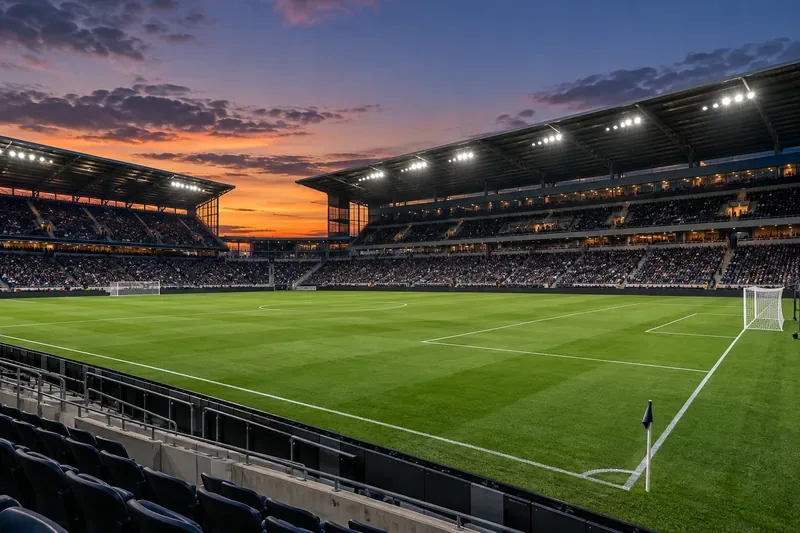
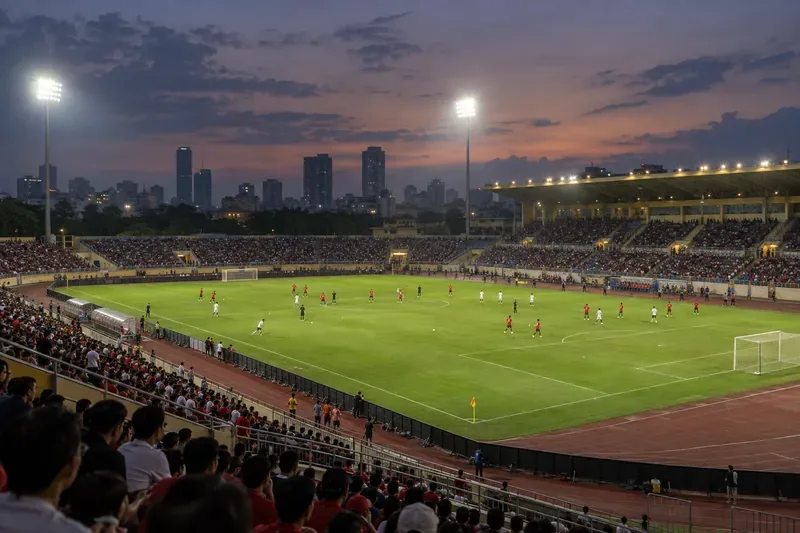
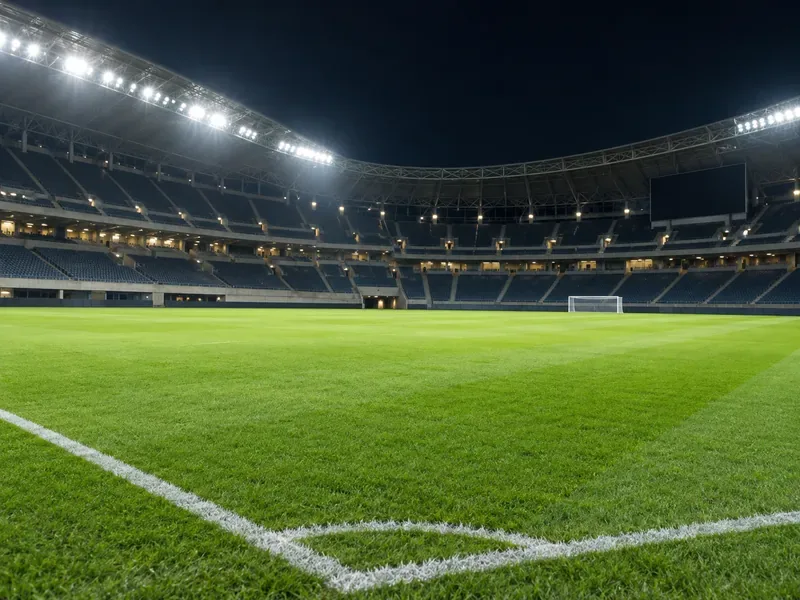
The World Cup 2026 promises to be a groundbreaking event, marking the first time the tournament will be co-hosted by three nations: the United States, Canada, and Mexico. This historic FIFA tournament will span 16 host cities across North America, featuring 104 matches and welcoming fans from around the globe. If you're wondering about the World Cup 2026 host countries and cities, this guide breaks it down with the latest, accurate details to help you plan your ultimate soccer adventure. From iconic stadiums to cultural hotspots, here's everything you need to know.
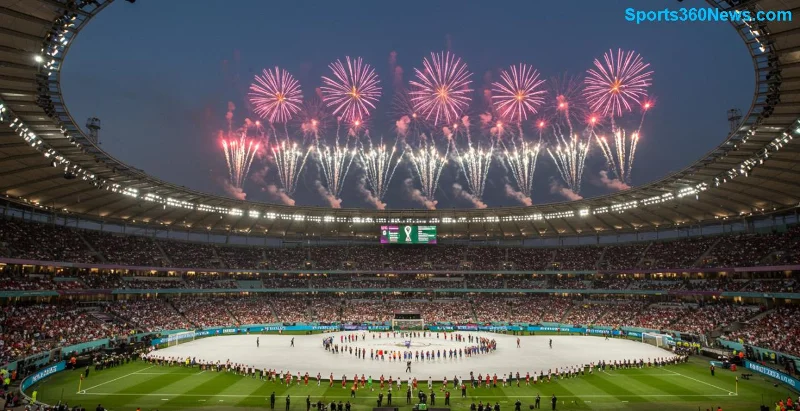
Why World Cup 2026 is a Tri-Nation Spectacle
Announced by FIFA in 2023, the World Cup 2026 expands to 48 teams, making it the largest edition yet. The decision to host across USA, Canada, and Mexico highlights North America's soccer passion and infrastructure. This setup reduces travel times for teams and fans while showcasing diverse venues—from high-tech U.S. arenas to historic Mexican stadiums.
Key highlights include:
- ⭐ The opening match at Estadio Azteca in Mexico City, a venue with World Cup legacy from 1970 and 1986.
- ⚽ The final at MetLife Stadium in New York/New Jersey, blending East Coast energy with global appeal.
- 🏆 An emphasis on sustainability, with FIFA aiming for carbon-neutral operations across all host cities.
As excitement builds, understanding the World Cup 2026 host countries and cities is your first step to securing tickets and accommodations. Let's dive into each nation.
The United States: Heart of the Tournament with 11 Host Cities
The USA takes center stage for World Cup 2026, hosting the majority of matches in 11 dynamic cities. This selection spans coasts and heartlands, offering varied vibes—from sunny beaches to bustling metropolises. The U.S. Soccer Federation's bid emphasized world-class facilities, and these venues deliver.
Here's a breakdown of the U.S. host cities and their stadiums:
| City |
Stadium |
Capacity |
Highlights |
| Atlanta, GA |
Mercedes-Benz Stadium |
71,000 |
Modern retractable roof; home to MLS's Atlanta United. |
| Boston, MA (Foxborough) |
Gillette Stadium |
65,878 |
New England Patriots' home; known for passionate crowds. |
| Dallas, TX (Arlington) |
AT&T Stadium |
80,000+ |
Dallas Cowboys' venue; massive video board for epic views. |
| Houston, TX |
NRG Stadium |
72,220 |
Retractable roof; hosted 2026 bid announcement events. |
| Kansas City, MO |
Arrowhead Stadium |
76,416 |
Loudest stadium in the NFL; MLS's Sporting KC base. |
| Los Angeles, CA |
SoFi Stadium |
70,240 |
Cutting-edge design; future LAFC and Rams home. |
| Miami, FL (Miami Gardens) |
Hard Rock Stadium |
65,326 |
Tropical setting; Inter Miami's venue with Messi magic. |
| New York/New Jersey |
MetLife Stadium |
82,500 |
Final venue; shared by Giants and Jets. |
| Philadelphia, PA |
Lincoln Financial Field |
69,796 |
Electric atmosphere; Union Philly's soccer heritage. |
| San Francisco Bay Area, CA (Santa Clara) |
Levi's Stadium |
68,500 |
Tech-savvy with solar panels; 49ers' innovative home. |
| Seattle, WA |
Lumen Field |
69,000 |
Sounders FC's fortress; rainy but roaring fanbase. |
These U.S. cities aren't just stadiums—they're gateways to experiences like NYC's skyline or LA's Hollywood glamour. Imagine tailgating in Dallas or beach parties in Miami during match days! For more on U.S. preparations, check FIFA's official updates here.
![USA World Cup 2026 stadium aerial view]()
Canada: Northern Powerhouses in Toronto and Vancouver
Canada joins as a co-host with two host cities: Toronto and Vancouver, injecting cool, multicultural energy into World Cup 2026. Soccer's growing popularity here, fueled by the Canadian Premier League, makes these venues electric. Expect bilingual cheers and stunning natural backdrops.
- 🏟️ Toronto: BMO Field (capacity: 45,736 after expansions). This waterfront stadium, home to Toronto FC, will host group-stage thrillers. Pair your visit with CN Tower views and diverse eats in the Distillery District.
- 🏟️ Vancouver: BC Place (capacity: 54,500). The retractable-roof gem hosted the 2015 Women's World Cup. Nestled near mountains, it's ideal for post-match hikes or Stanley Park strolls.
Canada's role underscores inclusivity, with FIFA prioritizing accessibility. Fans heading north should book early—Vancouver's summer weather is perfect for outdoor festivities.
Mexico: Legacy Venues in Mexico City, Guadalajara, and Monterrey
Mexico brings World Cup nostalgia to World Cup 2026 with three storied host cities. As the only nation to host three times (1970, 1986, and now 2026), Mexico's passion is unmatched. High-altitude stadiums add tactical intrigue.
| City |
Stadium |
Capacity |
Highlights |
| Mexico City |
Estadio Azteca |
87,523 |
Opening match site; hosted Pelé's 1970 final. |
| Guadalajara |
Estadio Akron |
46,850 |
Chivas' home; vibrant Jalisco culture nearby. |
| Monterrey |
Estadio BBVA |
53,500 |
Modern "Steel Giant"; Tigres and Rayados rivalry spot. |
From Azteca's electric roar to Guadalajara's mariachi vibes, Mexico's cities blend soccer with rich heritage. The opening ceremony here will set a festive tone—don't miss the street food scene!
![Mexico City Estadio Azteca during World Cup preparations]()
Planning Your World Cup 2026 Journey: Tips for Fans
With matches from June 11 to July 19, 2026, the tournament's cross-border format means easy travel via trains, flights, or drives. FIFA's ticketing launches in late 2025—prioritize semi-finals in U.S. hubs or the opener in Mexico City.
Pro tips:
- 1️⃣ Book accommodations near transit hubs to navigate the 16 host cities seamlessly.
- 2️⃣ Explore beyond stadiums: Catch a Vancouver whale watch or Monterrey's craft beer tour.
- ✅ Stay updated via official sources to avoid scams.
This World Cup 2026 isn't just games—it's a celebration of unity across host countries. Whether you're a die-hard fan or casual viewer, these venues promise memories that'll last. Ready to pick your must-see city? Dive deeper into match schedules on FIFA's site and start dreaming big!
(Word count: 928)