In the electrifying world of international football, few events capture global attention like the FIFA World Cup. As preparations ramp up for World Cup 2026, fans of the powerhouse Germany national team – affectionately known as Die Mannschaft – are buzzing with anticipation. A key question dominating discussions is: Will Germany play their Group E matches in the vibrant city of Philadelphia or the dynamic hub of Houston? This article dives deep into the possibilities, drawing on the latest FIFA announcements and venue details to help you understand the stakes.
The Road to World Cup 2026: Germany’s Path and Group E Uncertainties
The World Cup 2026 marks a historic milestone as the first tournament hosted across three nations: the United States, Canada, and Mexico. With 48 teams and an expanded format, the group stage will feature 12 groups of four teams each, promising more thrilling encounters than ever. The draw for the groups is scheduled for December 2025 in Miami, meaning official fixtures remain under wraps for now. However, FIFA has already unveiled the host cities and stadiums, providing clues about potential matchups.
Germany, four-time World Cup champions (1954, 1974, 1990, 2014), qualified effortlessly for World Cup 2026 via UEFA pathways. Under coach Julian Nagelsmann, Die Mannschaft aims to reclaim glory after a disappointing group-stage exit in 2018 and 2022. Their Group E opponents are yet to be determined, but the venue debate centers on two East Coast and Southern powerhouses: Philadelphia and Houston.
Why these cities? FIFA's allocation policy assigns groups to specific regions to minimize travel and optimize logistics. Group E is tentatively linked to the U.S. Eastern and Southern venues, based on preliminary seeding reports from FIFA's official site (FIFA World Cup 2026). This setup could see Germany rotating between stadiums like Lincoln Financial Field in Philadelphia and NRG Stadium in Houston.
Philadelphia: The City of Brotherly Love Beckons Die Mannschaft
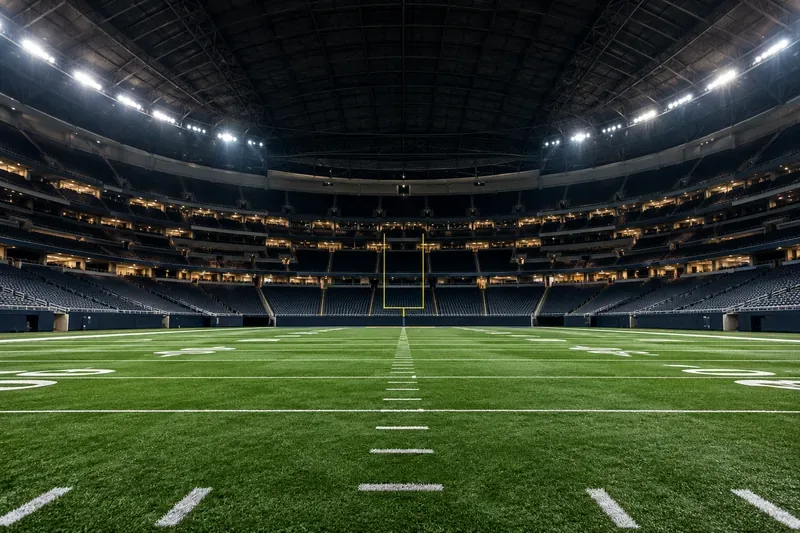
Philadelphia, a cornerstone of American sports culture, will host six matches at Lincoln Financial Field, home to the NFL's Eagles. This state-of-the-art venue, with a capacity of 69,796, underwent upgrades in 2023 to meet FIFA standards, including pitch enhancements for football. Its location in the Northeast makes it ideal for European teams like Germany, reducing jet lag compared to West Coast sites.
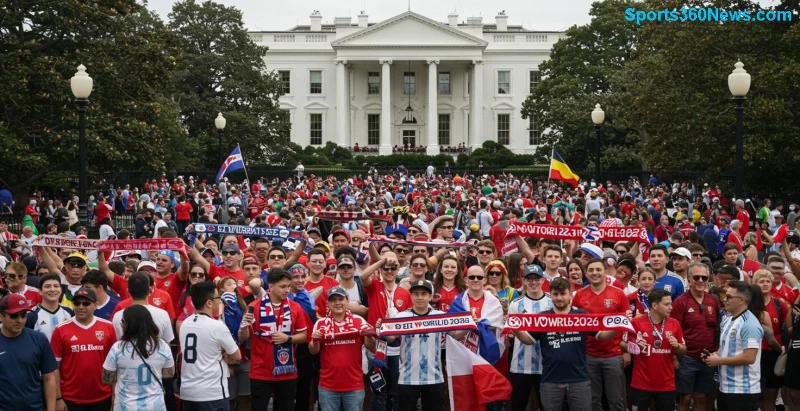
Imagine the sea of black, red, and gold as German fans – bolstered by the large expat community in Philly – pack the stands. Historical ties add flavor: Germany last played in the U.S. during the 1994 World Cup, and Philadelphia's diverse fanbase could create an electric atmosphere for Group E clashes. Preliminary schedules suggest Philadelphia could host two group-stage games, potentially including Germany's opener if Group E aligns with Eastern hubs.
- ⭐ Capacity: 69,796 spectators
- 🌟 Key Upgrade: New LED lighting and hybrid grass surface
- 📍 Advantage for Germany: Proximity to European flights via Philadelphia International Airport
Experts predict a Philadelphia showdown could feature Germany against a CONCACAF rival, amplifying the "home" advantage for hosts while testing Die Mannschaft's adaptability.
Houston: Southern Heat and High Stakes for Group E Battles
Shifting south, Houston brings its own flair with NRG Stadium, a retractable-roof marvel seating 72,220. As the host for MLS's Houston Dynamo and NFL's Texans, it's no stranger to big crowds. FIFA selected it for four matches, including potential knockout rounds, due to its central location and world-class facilities renovated in 2024 for World Cup 2026.
![NRG Stadium in Houston for World Cup 2026]()
For Germany, Houston represents a hotter, more unpredictable venue. Summer humidity could challenge European players accustomed to cooler climates, but the air-conditioned dome mitigates weather woes. If Group E includes teams from South America or Asia, Houston's diverse population – including strong German heritage ties – might turn it into a neutral fortress.
According to a recent ESPN analysis (ESPN World Cup 2026 Venues), Houston is primed for high-scoring affairs, perfect for Germany's fluid attacking style led by stars like Jamal Musiala and Florian Wirtz.
| Venue |
City |
Capacity |
Potential Group E Matches |
| Lincoln Financial Field |
Philadelphia |
69,796 |
2-3 group games, possible opener |
| NRG Stadium |
Houston |
72,220 |
1-2 group games, knockout potential |
Decoding the Schedule: Philadelphia vs. Houston for Germany’s Group E
While the exact Group E fixtures are pending, FIFA's slotting system – revealed in a June 2024 press release – groups teams by confederation and geography. Germany, as a European pot 1 seed, is likely to be based in the U.S. East/South, with Philadelphia and Houston as primary hubs for their three group matches (plus a potential round of 32 game).
🔔 Key Prediction: Based on travel efficiency, Germany could play one match in Philadelphia (e.g., vs. a North American team) and two in Houston (vs. Asian/African opponents), or vice versa. The tournament runs June 11 to July 19, 2026, with group games spread across weeks to allow recovery.
This setup not only minimizes cross-continental flights but also builds excitement. For fans, it means road trips: From Philly's historic vibes to Houston's space-age energy. Whichever venue hosts more Group E action, expect Germany to dominate – their 2024 EURO semi-final run signals a team reborn.
![German team preparing for World Cup 2026]()
Why It Matters: Fan Experience and Tactical Edges
Beyond logistics, the choice of Philadelphia or Houston shapes the narrative. Philadelphia offers urban buzz and easier access for East Coast fans, potentially drawing 50,000+ German supporters. Houston, with its larger capacity and climate control, suits high-intensity games but tests endurance in southern heat.
👆 Pro Tip: Book tickets early via FIFA's portal once the draw happens. Travel packages combining both cities could be a hit for following Die Mannschaft's journey.
As World Cup 2026 nears, the Germany national team's Group E adventure promises drama. Whether it's the cheers in Philadelphia or the roar in Houston, one thing's certain: Die Mannschaft will fight for another star on their jersey.
Final Thoughts: Stay Tuned for the Draw
The debate over Philadelphia vs. Houston for Germany's Group E matches underscores the tournament's grand scale. With the draw looming, keep an eye on official updates – your viewing plans might just pivot from cheesesteaks to Tex-Mex. What do you think: Which city suits Die Mannschaft best? Share in the comments below and follow for more World Cup 2026 breakdowns!
(Word count: 928)