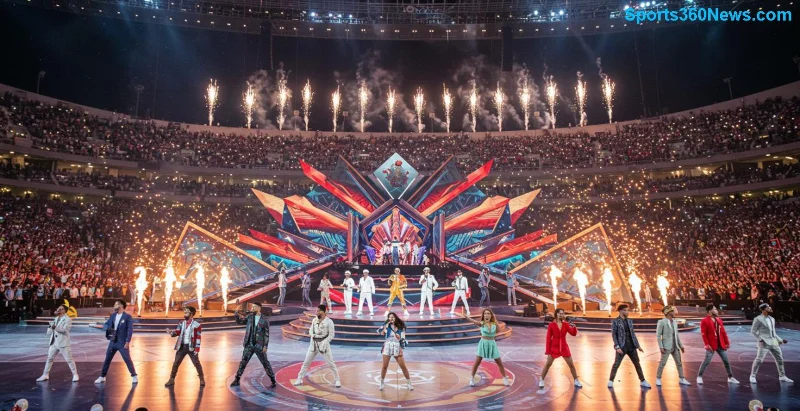
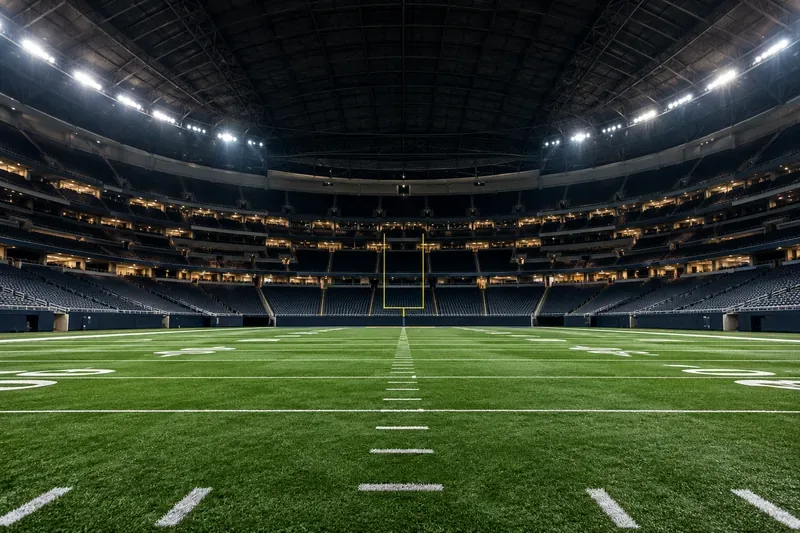
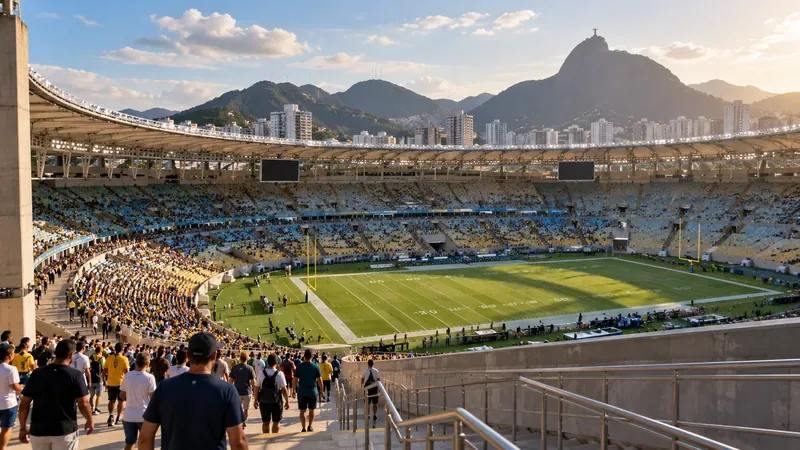
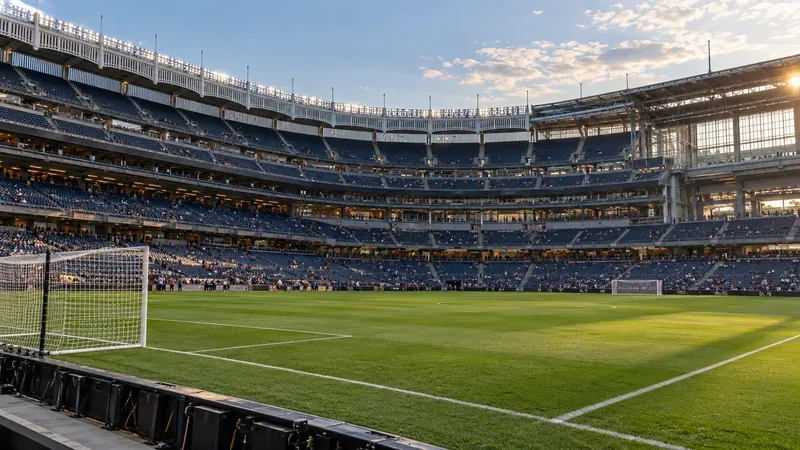
In an era of rising global temperatures, heatwaves in stadiums pose a serious threat to athletes, fans, and event organizers. With record-breaking heat events becoming more frequent, the question arises: Are stadium air conditioning systems truly equipped to handle extreme conditions? This article dives into the world of cooling systems for stadiums, examining their capabilities, innovations, and limitations to help you understand how sports venues are adapting to climate challenges.

The Growing Need for Robust Cooling in Sports Venues
Climate change has amplified the risks of extreme heat management in outdoor and semi-outdoor environments like stadiums. According to the World Meteorological Organization's 2023 report, heatwaves have increased in intensity and duration worldwide, with events like the 2023 European heatwave pushing temperatures above 40°C (104°F) in many regions. For stadiums, which often host tens of thousands of people under direct sunlight, inadequate cooling can lead to heat exhaustion, dehydration, and even fatalities.
🔥 Fun Fact: During the 2022 FIFA World Cup in Qatar, temperatures soared to 50°C (122°F), highlighting the urgent need for advanced stadium air conditioning. Organizers invested billions in cooling infrastructure to make the event viable.
Traditional stadium designs relied on natural ventilation and shade, but these are insufficient against modern heatwaves. Enter sophisticated cooling systems for stadiums—from high-capacity HVAC (Heating, Ventilation, and Air Conditioning) units to innovative misting and radiant cooling technologies.
How Stadium Air Conditioning Systems Work
At their core, stadium air conditioning systems function like oversized versions of home units but scaled for massive volumes. They use chillers to cool air, which is then distributed through ducts, vents, and sometimes under-seat diffusers. Key components include:
- 1️⃣ Chillers and Compressors: These powerhouse units can generate thousands of tons of cooling capacity. For instance, the Mercedes-Benz Stadium in Atlanta features a system with over 10,000 tons of cooling, enough to handle 71,000 fans.
- 2️⃣ Air Distribution Networks: Fans and blowers ensure even airflow, preventing hot spots. In domed stadiums like AT&T Stadium in Texas, retractable roofs combine with AC to maintain comfortable levels.
- 3️⃣ Smart Controls: IoT-enabled sensors monitor temperature, humidity, and occupancy in real-time, adjusting output dynamically. This is crucial for extreme heat management.
However, not all stadiums are created equal. Open-air venues like Wembley Stadium in London or the Maracanã in Brazil often lack full AC, relying instead on partial shading and evaporative coolers. These systems can lower temperatures by 5-10°C but struggle during prolonged heatwaves in stadiums.
| Stadium Type |
Cooling Capacity |
Effectiveness Against Heatwaves |
| Domed (e.g., SoFi Stadium, LA) |
High (Full AC + Roof) |
Excellent: Maintains 20-25°C indoors |
| Open-Air with Enhancements (e.g., Lusail Stadium, Qatar) |
Medium-High (Misting + Partial AC) |
Good: Reduces felt temperature by 15°C |
| Traditional Open-Air (e.g., Old Trafford, UK) |
Low (Fans + Shade) |
Poor: Vulnerable to extremes |
This table illustrates the variance in cooling systems for stadiums, based on data from the International Association of Venue Managers (IAVM) 2024 guidelines.
![Inside a cooled stadium during a match]()
Real-World Examples: Stadiums Tackling Heatwaves
Recent events showcase how stadium air conditioning is evolving. The 2024 Paris Olympics faced a mini-heatwave with temperatures hitting 35°C (95°F). Stade de France employed a hybrid system: under-pitch cooling for athletes and misting fans for spectators, keeping indoor areas at a tolerable 28°C (82°F). This prevented any major heat-related incidents, as reported by the IOC.
In the U.S., the NFL's response to the 2023 Southwest heat dome was telling. Allegiant Stadium in Las Vegas, with its fully enclosed design, maintained perfect conditions using a 12,000-ton chiller plant. Contrast this with older venues like Soldier Field in Chicago, which upgraded to auxiliary cooling tents during a 2023 heatwave affecting 60,000 attendees.
👆 Pro Tip: For athletes, specialized extreme heat management includes cooled benches and hydration stations. FIFA's 2023 protocols mandate temperatures below 32°C for matches, often delaying games if cooling systems for stadiums fall short.
Globally, innovations like the cooling tech at Saudi Arabia's Al-Ahsa Airport-inspired stadiums use solar-powered desiccant systems to dehumidify air efficiently, reducing energy use by 30% while combating desert heat.
Challenges and Limitations of Current Systems
Despite advancements, stadium air conditioning isn't foolproof. High upfront costs—up to $100 million for retrofits—deter many owners. Energy consumption is another hurdle; a single stadium can guzzle as much power as a small city during peak heat, contributing to carbon emissions unless powered by renewables.
During the 2023 Australian Open heatwave, Melbourne Park's roof helped, but partial AC led to player complaints of slippery courts from humidity. Experts from the American Society of Heating, Refrigerating and Air-Conditioning Engineers (ASHRAE) note that systems must now design for "1-in-100-year" heat events, per their 2024 standards.
Moreover, equity issues arise: Wealthy leagues like the Premier League invest heavily, while lower-tier venues in developing countries lag, exacerbating heatwaves in stadiums risks for local fans.
![Fans enjoying a cooled stadium environment]()
The Future of Cooling in Stadiums
Looking ahead, cooling systems for stadiums are set for a green revolution. By 2030, experts predict widespread adoption of phase-change materials (PCMs) that absorb heat without electricity, as trialed in Tokyo's 2020 Olympics venues. AI-driven predictive cooling could preempt heat spikes, saving energy and enhancing safety.
Sustainability is key: The LEED-certified Levi's Stadium in California uses geothermal cooling, drawing from underground sources to chill air efficiently. For extreme heat management, hybrid approaches—combining AC with green roofs and urban forests—will dominate.
⭐ Emerging Trend: Modular cooling pods for temporary events, like those used in the 2024 Copa América, allow quick deployment without permanent infrastructure.
In conclusion, while many modern stadiums are increasingly equipped with robust stadium air conditioning, gaps remain, especially in older or open-air facilities. As heatwaves intensify, investing in adaptive technologies isn't just practical—it's essential for the future of sports. What innovations do you think will shape stadium cooling next? Stay tuned for more insights on climate-resilient venues.
Sources: For deeper reading, check out FIFA's Cooling Guidelines and ASHRAE Standards.