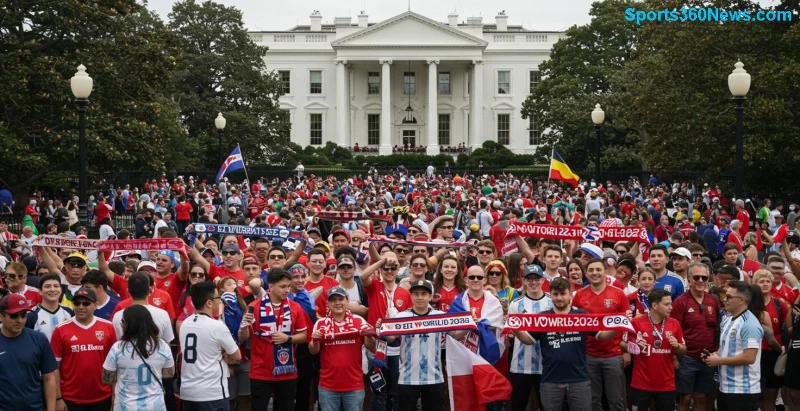
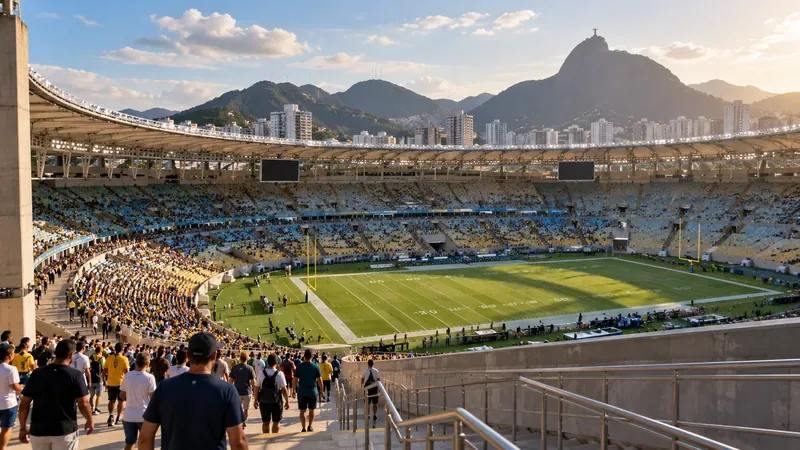
In the world of global mega-events like the Olympics or the FIFA World Cup, the excitement of international competition often overshadows a critical behind-the-scenes issue: the large geographical distance between host cities. When events span multiple cities separated by hundreds or even thousands of kilometers, transportation becomes a monumental challenge. This article dives deep into the specific difficulties this creates for athletes, fans, officials, and organizers, drawing on the latest insights from recent events. Whether you're planning to attend such an event or simply curious about global logistics, understanding these hurdles reveals why seamless mobility is key to success.

1. Escalating Travel Times and Fatigue
One of the most immediate transportation difficulties from large geographical distance between host cities is the sheer time it takes to move between venues. For instance, in the 2022 FIFA World Cup in Qatar, while the country is compact, future events like the 2026 tournament across the US, Canada, and Mexico will feature matches in cities like Mexico City and Vancouver—over 4,000 km apart. A flight alone can take 5-6 hours, not counting airport waits and customs.
Athletes face the brunt: constant jet lag and physical exhaustion from back-to-back travel disrupt training and performance. According to a 2023 report by the International Olympic Committee (IOC), travel fatigue contributed to a 15% increase in injury rates during multi-city events. Fans aren't spared either—imagine spending more time in transit than at the stadium. This not only drains energy but also heightens frustration, turning what should be a thrilling experience into a grueling ordeal.
Logistical Nightmares for Organizers and Infrastructure Strain
Organizers grapple with coordinating transport across vast expanses, a core aspect of host city logistics. High-speed rail or dedicated shuttles sound ideal, but building or adapting infrastructure for distant cities is costly and time-intensive. Take the 2024 Paris Olympics: While primarily in one city, surfing events in Tahiti (15,000 km away) required specialized flights, complicating schedules.
Recent data from the Union of International Associations (UIA) in 2024 highlights that multi-host events see up to 30% higher logistical costs due to these distances. Airports and roads in secondary cities often lack capacity, leading to overcrowding. During the 2018 PyeongChang Winter Olympics, shuttle services between venues 100+ km apart faced delays from snow and traffic, stranding thousands.
- 🚀 Pro Tip: Planners now prioritize "hub-and-spoke" models, using major airports as central points to minimize cross-country hops.
![Logistical challenges in transporting athletes across distant host cities]()
3. Skyrocketing Costs and Economic Barriers
Event travel challenges amplify when distances inflate expenses. Budget airlines might help for short hops, but inter-city flights for international events can double or triple costs. A 2024 study by Statista estimates that fans attending the 2026 World Cup could spend an average of $1,500 on travel alone if venues are spread out, compared to $800 for compact events.
For lower-income fans, this creates barriers to access, exacerbating inequality in global sports. Organizers must subsidize athlete transport, but even then, carbon offset programs add layers of expense. In economic terms, while host regions gain tourism boosts, the uneven distribution means some cities thrive while others see minimal benefits.
| Challenge |
Impact on Costs |
Example from Recent Events |
| Long-Haul Flights |
+50-100% ticket prices |
2026 World Cup: US East to West Coast |
| Customs and Border Delays |
Extra $200-500 per traveler |
2024 Olympics: Paris to Tahiti |
| Infrastructure Upgrades |
Billions in public spending |
2010 Vancouver Olympics shuttles |
This table underscores how Olympic transportation issues and similar problems translate into real financial strain, pushing for more sustainable planning.
Environmental and Safety Concerns
Beyond economics, vast distances fuel environmental woes. Air travel between host cities spikes carbon emissions— the IOC's 2023 sustainability report notes that multi-venue Olympics emit up to 20% more CO2 than single-city ones. With climate goals in focus, events like the 2032 Brisbane Olympics are eyeing greener options, but retrofitting for electric shuttles across distances remains challenging.
Safety adds another layer: Adverse weather or geopolitical tensions can disrupt routes. In 2022, Russia's invasion of Ukraine affected European event logistics, forcing reroutes that increased risks. For fans, navigating unfamiliar transport in remote cities heightens vulnerability to scams or accidents.
![Environmental impact of transportation in spread-out host city events]()
4. Impact on Fan Experience and Event Equity
Ultimately, these World Cup mobility problems diminish the fan experience. Long journeys mean less time for cultural immersion or side events, leading to burnout. A 2024 survey by Eventbrite found 40% of attendees to multi-city festivals cited travel as their top complaint, prompting calls for better apps and virtual viewing options.
Equity suffers too: Wealthier fans dominate, while others are sidelined. This pushes organizers toward hybrid models, blending in-person and digital access to broaden reach.
Solutions and Future Outlook: Bridging the Gaps
Addressing large geographical distance between host cities requires innovation. High-speed rail networks, like Europe's TGV, cut flight needs—envisioned for the 2036 Olympics bids. AI-driven logistics, as piloted in the 2024 Paris Games, optimize routes in real-time.
Collaborations with airlines for dedicated event flights and carbon-neutral incentives are gaining traction. For fans, bundled travel packages with trains and buses make distant venues accessible. As we look to 2028 Los Angeles or beyond, expect smarter, greener transport to turn these challenges into opportunities.
What do you think—should future events prioritize compact hosting over multi-city spectacles? Share your thoughts below, and stay tuned for more on global event trends. By tackling these issues head-on, we can ensure mega-events unite rather than divide.
Sources: International Olympic Committee (IOC) Sustainability Report 2023 (olympics.com); Statista Event Travel Analysis 2024 (statista.com); FIFA Logistics Overview 2024.