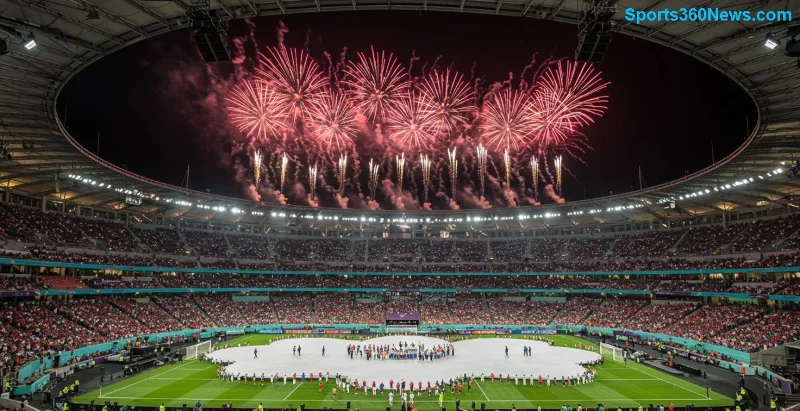
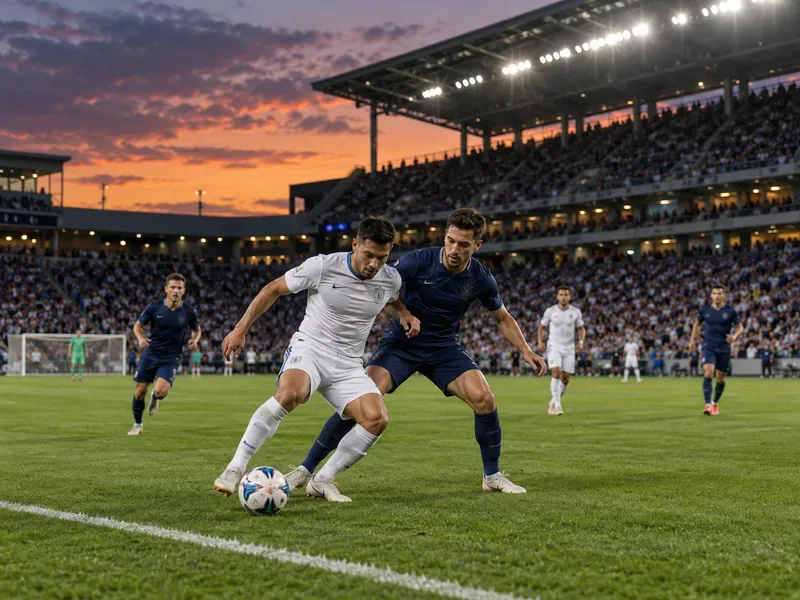
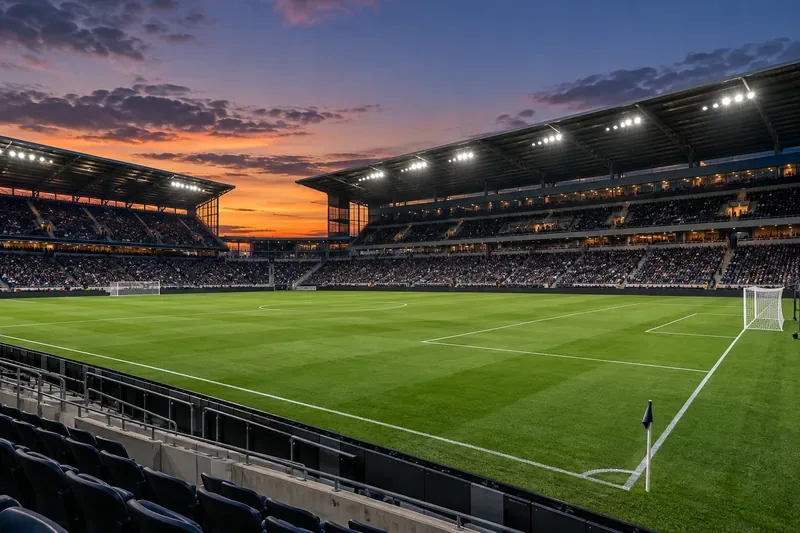
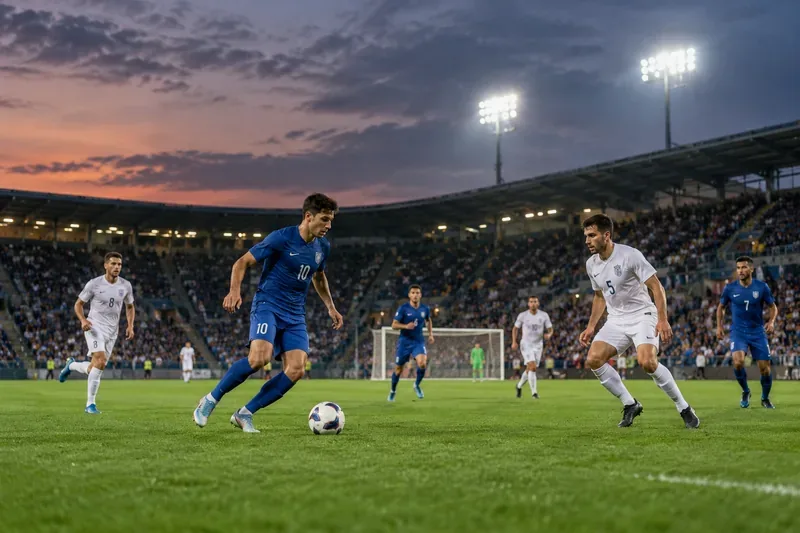
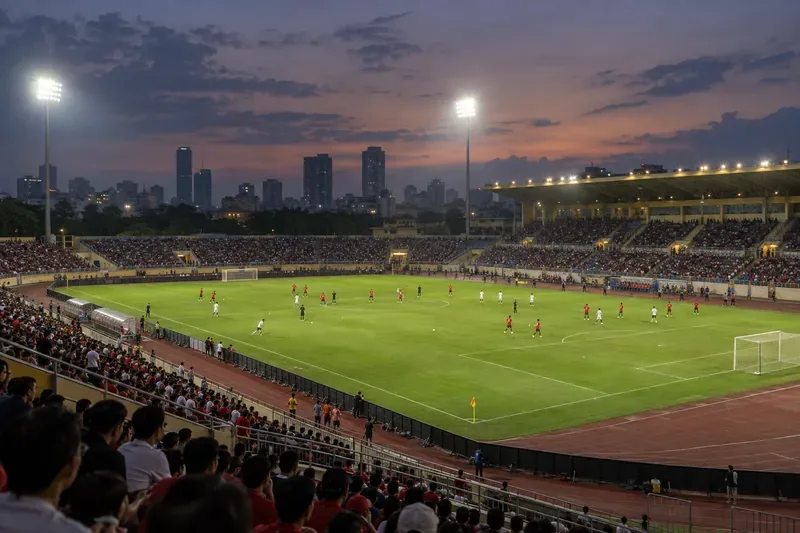
The FIFA World Cup, the pinnacle of international football, is set for an unprecedented transformation in 2026. Hosted across three nations—the United States, Canada, and Mexico—this edition promises to be the largest and most expansive in the tournament's storied history. Beyond the sheer scale of its geographical footprint, the most significant change lies in the number of participating teams and, consequently, the number of matches. Forget the familiar 64-game format; World Cup 2026 is set to feature a staggering 104 matches. This dramatic increase is a direct result of FIFA's decision to expand the tournament to 48 teams, a move that promises more global representation but also introduces a revolutionary new format that demands a closer look. Let’s dive deep into what this means for players, fans, and the beautiful game.
The Grand Expansion: 48 Teams – More Nations, More Dreams
For decades, the World Cup featured 32 teams, a format that offered intense competition but often left many aspiring nations on the sidelines. The decision to expand to 48 teams was driven by FIFA’s vision to make the tournament more inclusive and truly global, providing more countries with the opportunity to compete on the biggest stage. This expansion means:
- ⚽️ More diverse representation from various confederations.
- ⚽️ Increased pathways for nations that historically struggled to qualify.
- ⚽️ Greater global interest and fan engagement as more countries have a vested interest.
While the prospect of seeing more nations compete is exciting, accommodating 16 additional teams required a complete rethink of the tournament structure. This is where the new format comes into play, a system designed to manage the expanded field while maintaining competitive integrity.
Decoding the New Tournament Format: The Path to Glory
Initially, FIFA had proposed a format involving 16 groups of three teams, followed by a Round of 32. However, concerns arose regarding potential collusion in three-team groups and the risk of teams being eliminated after just two games. Learning from the success and drama of four-team groups in previous tournaments, FIFA officially revised and approved a different, more robust structure in March 2023 for the World Cup 2026:
The Group Stage: 12 Groups of Four Teams
The revised format will now feature 12 groups, each comprising four teams. This preserves the traditional competitive balance and reduces the likelihood of dead rubbers or tactical draws aimed at manipulating standings. Here’s how it will work:
- Each group will play a round-robin format, meaning each team plays three group-stage matches.
- The top two teams from each of the 12 groups will automatically qualify for the knockout stage.
- Crucially, the eight best third-placed teams from across all groups will also advance. This adds an extra layer of tension and importance to every group-stage match, as even teams that don't finish in the top two still have a chance to progress.
![World Cup 2026 North America Map]()
The Knockout Rounds: A Brand New Round of 32
With 32 teams advancing from the group stage, the World Cup 2026 will introduce a new round to the knockout phase: the Round of 32. This means that teams will have to navigate an additional knockout match to reach the final compared to the previous 32-team format.
The knockout stages will proceed as follows:
- Round of 32 (new addition)
- Round of 16
- Quarter-finals
- Semi-finals
- Third-place playoff
- Final
This extended knockout bracket ensures that while more teams participate, the path to lifting the trophy remains incredibly challenging, requiring a team to win more matches than ever before.
The Match Count: A Staggering 104 Games!
The most direct consequence of the 48-team expansion and the refined format is the dramatic increase in the total number of matches. The World Cup 2026 will now feature an astonishing 104 matches, a significant leap from the 64 games played in the 32-team format. Let's break down where these matches come from:
| Phase |
Number of Matches (2026) |
Number of Matches (Previous 32-team WC) |
| Group Stage (12 groups x 6 matches) |
72 |
48 (8 groups x 6 matches) |
| Round of 32 |
16 |
0 |
| Round of 16 |
8 |
8 |
| Quarter-finals |
4 |
4 |
| Semi-finals |
2 |
2 |
| Third-place Playoff |
1 |
1 |
| Final |
1 |
1 |
| TOTAL MATCHES |
104 |
64 |
This means more football for fans, more advertising revenue for FIFA, and more challenges for players and organizers alike.
Implications and Impact of the New Era
The shift to 104 matches and an expanded format brings with it a cascade of implications that will shape the World Cup 2026:
Player Welfare and Fatigue:
Players reaching the final will now play eight matches, up from seven in the previous format. While it's only one additional match, coming at the end of a long club season, this extra game could significantly impact player fatigue, recovery, and injury risk. Squad depth will be more critical than ever.
Logistics and Travel:
Spanning three vast host countries—the USA, Canada, and Mexico—the logistics of managing 48 teams and 104 matches will be monumental. Travel distances between venues could be considerable, posing challenges for teams and fans alike. FIFA and the host nations will need to meticulously plan team bases and travel schedules to minimize disruption.
Increased Revenue and Global Reach:
The expanded tournament is projected to generate significantly more revenue for FIFA through increased ticketing, broadcasting rights, and sponsorship deals. More matches mean more airtime, more advertising opportunities, and a wider global audience. This aligns with FIFA's goal of investing more in football development worldwide.
Competitive Balance and Surprises:
With more teams, there's a greater chance for so-called "smaller" footballing nations to make their mark. The expanded format could lead to more upsets and unexpected runs, adding to the tournament's drama and unpredictability. It also provides invaluable experience for emerging footballing nations.
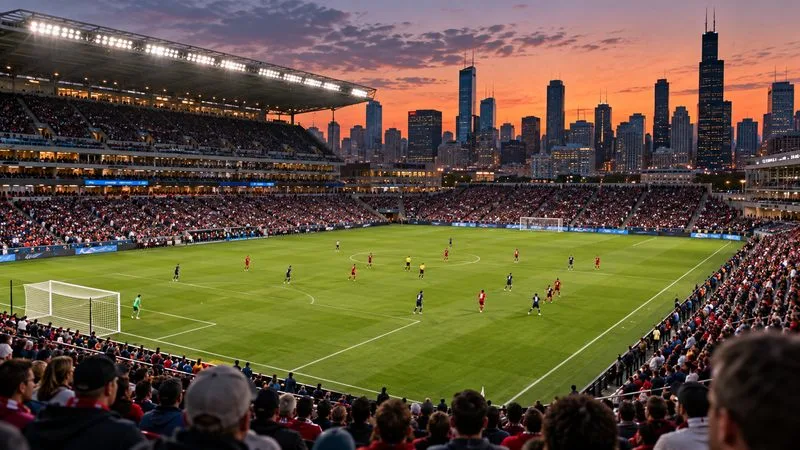
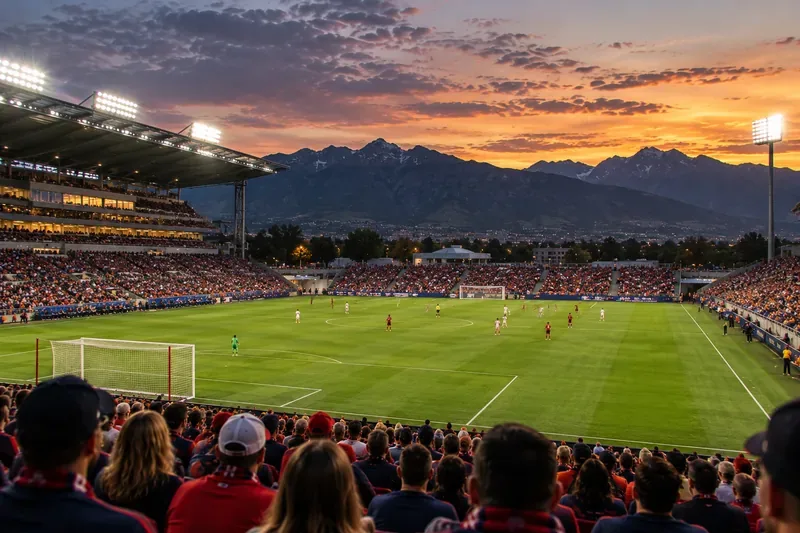
![World Cup 2026 Stadium Renderings]()
Conclusion: The Dawn of a New World Cup Era
The World Cup 2026 is poised to be an epoch-making event, not just for its tri-national hosting but profoundly for its radical structural overhaul. With 48 teams battling it out over an unprecedented 104 matches, the tournament will be longer, larger, and undoubtedly more challenging than any before it. While concerns about player welfare and logistical complexities are valid, the promise of greater global inclusion and more thrilling football action is undeniable. As the countdown continues, the anticipation builds for what promises to be a truly historic and unforgettable chapter in the legacy of the FIFA World Cup. Get ready for more goals, more drama, and more moments of magic as the world's greatest football spectacle expands its embrace.