Fixing Packet Loss in Warzone: 5 Steps to Stabilize Your Connection
To fix packet loss in Warzone, first check whether Activision or your platform is having an outage, then test the game on a wired connection and reduce traffic on your home network. If the packet-loss indicator continues while other services work normally, compare another match or network and contact Activision or your internet service provider (ISP) with the results. A speed test alone cannot prove that the route to a Warzone server is clean.
Packet loss means some data sent across a network does not reach its destination. In a match, it can appear as rubber-banding, stuttering, delayed hit markers, or a disconnect. Similar symptoms can also come from high latency, server trouble, or low frame rate, so use the steps below to narrow down the cause before changing router settings.
Quick checks before changing settings
- Check Activision Online Services and the status page for your console or PC platform.
- If Warzone shows network telemetry, note the packet-loss and latency readings during a match. Menu labels can vary by update, so look in the game’s interface or telemetry settings rather than relying on a fixed menu path.
- Try a second match and record whether the issue happens throughout the match, only at busy times, or only in one session.
- Change one thing at a time, then check the same indicator again. That makes it easier to tell which fix helped.
How to fix packet loss in Warzone
1. Rule out a Warzone or platform service issue
Before troubleshooting your router, check whether the problem is affecting other players. Activision recommends checking Warzone server status when connection problems begin. Also check your platform’s network status; a PlayStation Network, Xbox network, Steam, or Battle.net disruption can prevent a clean game connection even when your internet service is otherwise working.
If there is an outage or maintenance notice, wait for the service to recover and test again. Rebooting your network repeatedly or opening ports will not fix a server-side incident. If no status issue is listed, continue with a local connection test.
2. Test the connection and switch to Ethernet
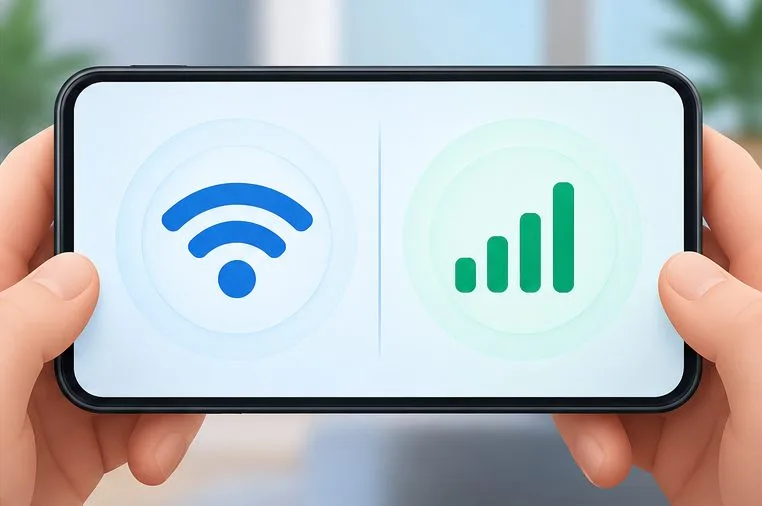
Connect your gaming PC or console directly to the router with an Ethernet cable. Activision recommends a wired connection because Wi-Fi reliability and bandwidth can vary. If Ethernet is not practical, move closer to the router, avoid placing it behind furniture, and test the less congested Wi-Fi band that works best in your space.
Run the built-in network test for your platform. On PlayStation, open Settings > Network > Test Internet Connection. On Xbox, open Profile & system > Settings > General > Network settings, then run Test network connection; the multiplayer test can also help identify game-related network issues. PC players can compare Warzone with another online service on the same connection.
Use Warzone’s network readout, when available, to check for packet loss in a match. A speed test is useful for checking available download and upload capacity, but a high speed result does not rule out brief packet loss or a bad route to a particular game server. If Ethernet improves the match, focus on Wi-Fi interference or router placement. If it does not, continue.
3. Restart your modem and router, then check the cables
Close Warzone and restart your network equipment using the manufacturer’s instructions. If you have separate modem and router units, power them down, reconnect the modem first, wait for it to reconnect to your ISP, and then turn the router back on. This is a restart, not a factory reset: do not press and hold the router’s reset button, which can erase its settings.
Check that the Ethernet cable clicks firmly into both devices. If you are wired, try a different cable and router port. Inspect the modem’s incoming cable as well. A loose connector or damaged cable can cause intermittent drops that a normal download-speed test may not show.
4. Reduce competing traffic on your network
Pause large game or operating-system downloads, cloud backups, file syncing, and high-resolution video streams while you test. Upload-heavy tasks and live streaming can also compete with game traffic. Ask others on the same connection to pause bandwidth-heavy activities for one match, then see whether the Warzone packet-loss reading changes.
If your router offers Quality of Service (QoS) or device prioritization, you can try prioritizing the gaming device. Router controls differ, and QoS is not a guaranteed packet-loss fix; record the original setting and change only one option at a time. Avoid installing “ping booster” software or changing DNS as a packet-loss cure: those steps do not repair a weak Wi-Fi signal, a faulty cable, or a problem on the ISP’s route.
5. Check the game files and escalate persistent loss
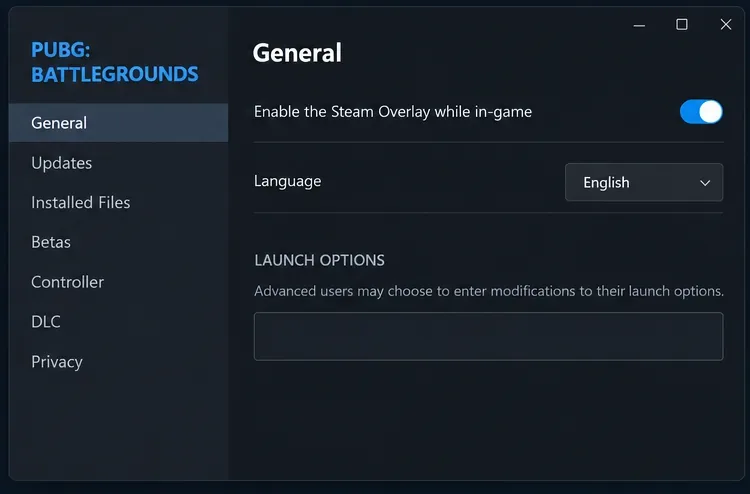
If the connection is stable in other games but Warzone alone keeps disconnecting, restart the game and install any available update. On Steam, use Properties > Installed Files > Verify integrity of game files. This checks the local installation; it is useful for missing or damaged files, but it cannot repair packet loss on your internet route. For Battle.net, use the game’s available scan-and-repair option if you suspect corrupted files.
For recurring NAT or connection errors, consult Activision’s current Call of Duty port list for your platform before changing router rules. Port forwarding is an advanced connectivity step, not a general packet-loss fix. Do not leave a console or PC in a router’s DMZ as a routine solution.
To identify where the fault may be, compare Warzone on Ethernet with another device on the same home connection. If several devices show interruptions, or the problem repeats across games and services, contact your ISP and ask it to check for line faults, modem errors, and packet loss during the times you recorded. If other services are stable but Warzone alone has loss, report the issue through Activision’s Warzone connection support.
What the symptoms can tell you
| What you notice | What to check next |
|---|---|
| Packet-loss spikes across several games or devices | Test on Ethernet, check cables and modem status, then ask your ISP to investigate the line. |
| Only Warzone has trouble, while other online services stay stable | Check Activision status, try another match, and report a game-specific problem if it persists. |
| High ping but no packet loss | Latency is a different issue. Check your connection route and distance to the matched server; a speed upgrade alone may not lower ping. |
| Low frame rate or visual stutter without network warnings | Check graphics settings, system load, and game performance; those symptoms do not by themselves confirm packet loss. |
| Loss improves on Ethernet | Focus on Wi-Fi signal, router placement, interference, or the wireless adapter. |
Frequently asked questions
How much packet loss is acceptable in Warzone?
The goal for a stable match is no sustained packet loss. Brief readings can fluctuate, so look for a repeated pattern across matches instead of treating one short spike as proof of a lasting fault. The game’s network indicator and whether symptoms continue are more useful than relying on a universal percentage cutoff.
Does Ethernet always fix packet loss?
No. Ethernet removes the wireless part of the connection from the test and often improves consistency, but it cannot fix a bad router port, an ISP line fault, a problem beyond your home network, or an Activision service issue.
Why does a speed test look fine when Warzone still lags?
Speed tests mainly report throughput and may show latency to their own test server. Warzone uses a different route and destination, and a short test may miss intermittent loss. Compare in-game telemetry across matches and test while connected by Ethernet.