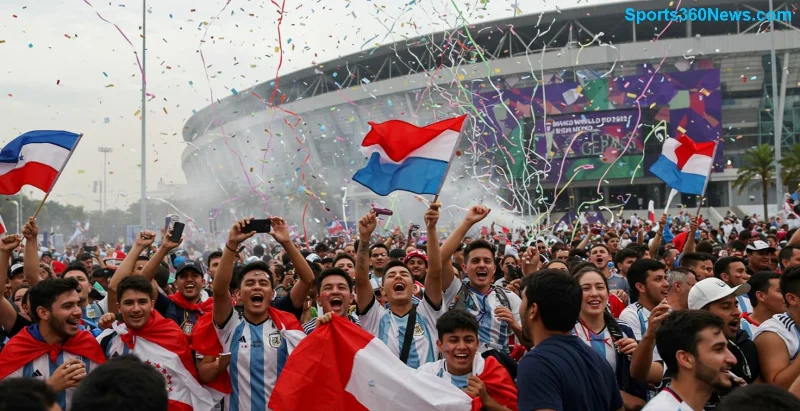
The roar of the crowd, the thrill of the goal, the electric atmosphere of the stadium – nothing quite compares to experiencing the World Cup live. For passionate European tourists, the dream often involves following their favourite team across multiple host cities. But how do you navigate the logistical challenge of moving efficiently between these vibrant football hubs? This comprehensive guide is designed to help you, the European fan, master inter-city travel during the World Cup, ensuring your focus remains on the beautiful game. ⚽

Planning Your World Cup Journey: The Golden Rules
Before diving into specific transport methods, remember these crucial overarching tips for any major event travel:
- Book Early, Book Smart: Demand for transport and accommodation skyrockets during the World Cup. Booking in advance is not just recommended; it's essential for securing good prices and availability.
- Flexibility is Key: While planning is important, be prepared for potential schedule changes or unexpected delays. Have backup plans where possible.
- Budget Wisely: Factor in not just the cost of tickets and accommodation, but also inter-city travel, local transport, food, and souvenirs.
- Check Visa Requirements: While most European Union citizens enjoy seamless travel within the Schengen Area, always double-check entry requirements for non-Schengen host nations.
Your Transport Options: Navigating Between Host Cities
Let's explore the primary ways European tourists can travel between World Cup host cities:
1. Flights: The Fastest Route for Long Distances ✈️
For destinations hundreds of kilometres apart, flights are often the quickest option. Europe's extensive network of airlines, including budget carriers, makes air travel highly accessible.
Pros:
- Speed: Significantly reduces travel time for long distances.
- Convenience: Many airports are well-connected to city centres via public transport.
- Reach: Connects virtually all major host cities, even those far apart.
Cons:
- Cost: Can be expensive, especially if not booked well in advance during peak times.
- Airport Hassle: Factor in check-in, security, and baggage reclaim times.
- Environmental Impact: Less eco-friendly compared to other options.
Tips for Flying:
- Utilise flight comparison websites (e.g., Skyscanner, Google Flights) to find the best deals.
- Consider flying into smaller, regional airports if they are closer to your destination and offer cheaper fares.
- Pack light to avoid checked baggage fees, especially with budget airlines.
- Be aware of potential flight cancellations or delays during high-demand periods.
2. Trains: Scenic, Comfortable, and Often Efficient 🚆
Europe boasts an excellent rail network, making train travel a fantastic choice for many inter-city journeys. High-speed trains connect major cities, offering comfort and stunning views.
Pros:
- Comfort: More spacious than planes, often with Wi-Fi and catering.
- City Centre to City Centre: Train stations are typically located in the heart of cities, saving time and money on airport transfers.
- Eco-Friendly: A greener alternative to flying.
- Relaxed Travel: No strict baggage limits or long security queues like airports.
Cons:
- Speed: Slower than flights for very long distances, though high-speed trains are competitive for medium distances.
- Cost: Can be pricey for high-speed routes, especially without advance booking.
Tips for Train Travel:
- Explore rail passes like Eurail (for non-European residents) or Interrail (for European residents) if you plan extensive train travel across multiple countries.
- Book tickets directly through national rail operators (e.g., Deutsche Bahn, SNCF, Trenitalia) for the best prices, especially for high-speed routes.
- Consider overnight trains for longer journeys to save on accommodation costs.
![Modern European train passing through a city landscape]()
3. Buses & Coaches: The Budget-Friendly Option 🚌
For the most budget-conscious European tourists, long-distance buses and coaches offer a viable and increasingly comfortable option for inter-city travel.
Pros:
- Affordability: Generally the cheapest mode of transport, especially for last-minute bookings.
- Extensive Network: Connects a vast number of cities and towns, including some not served by trains or flights.
- Accessibility: Bus stations are often centrally located.
Cons:
- Travel Time: The slowest option, especially for longer distances.
- Comfort: Can be less comfortable than trains, particularly on older coaches or for extended journeys.
- Traffic Dependent: Subject to road traffic and potential delays.
Tips for Bus Travel:
- Check major bus operators like FlixBus, Eurolines, or local alternatives depending on the host country.
- Book online in advance for the best fares.
- Be prepared for longer travel times and potential rest stops.
4. Car Rental: Freedom and Flexibility 🚗
If you value independence and want the flexibility to explore beyond the immediate host cities, car rental can be a good choice, especially if travelling in a group.
Pros:
- Flexibility: Set your own schedule, make spontaneous stops.
- Convenience: Ideal for groups, allowing shared costs and luggage.
- Accessibility: Reach areas not easily served by public transport.
Cons:
- Cost: Can be expensive when factoring in rental fees, fuel, tolls, and parking (which can be very high in city centres).
- Navigation: Requires familiarity with local driving rules and navigation.
- Traffic & Parking: Can be a major headache in busy World Cup host cities.
Tips for Car Rental:
- Book your rental car well in advance, especially an automatic if you're not used to manual transmission.
- Familiarise yourself with local traffic laws and speed limits.
- Consider the cost of fuel and tolls, which can add up significantly.
- Research parking options in advance for each host city you plan to visit.
![A group of European tourists enjoying a road trip with a football scarf]()
Comparing Your Options: A Quick Overview
To help you decide, here's a quick comparison of the main inter-city travel methods:
| Method |
Speed |
Cost (Avg.) |
Convenience |
Flexibility |
| Flights |
Very High |
High (can be low with early booking) |
High (airport transfers needed) |
Low |
| Trains |
High |
Medium-High |
Very High (city centre to city centre) |
Medium |
| Buses |
Low |
Low |
Medium (central stations) |
Medium |
| Car Rental |
Medium (traffic dependent) |
High (rental + fuel + parking + tolls) |
High |
Very High |
Final Tips for European World Cup Travellers
- Local Public Transport: Once in a host city, utilise local public transport (metro, trams, buses) to get around efficiently. Consider purchasing multi-day passes.
- Stay Connected: Ensure you have a reliable mobile data plan for navigation, booking updates, and staying in touch.
- Fan Zones: Even if you don't have a match ticket for every game, fan zones offer an incredible atmosphere and are usually centrally located, well-connected by local transport.
- Embrace the Culture: Beyond the football, take time to explore the local culture, cuisine, and attractions of each host city. It's part of the complete World Cup experience! 🌍
Conclusion
Travelling between World Cup host cities as a European tourist doesn't have to be a daunting task. By carefully planning your journeys, choosing the right mode of transport for your needs and budget, and keeping these practical tips in mind, you can ensure a smooth, enjoyable, and unforgettable football adventure. So pack your scarf, prepare your chants, and get ready to experience the greatest show on Earth! Enjoy the game! 🎉