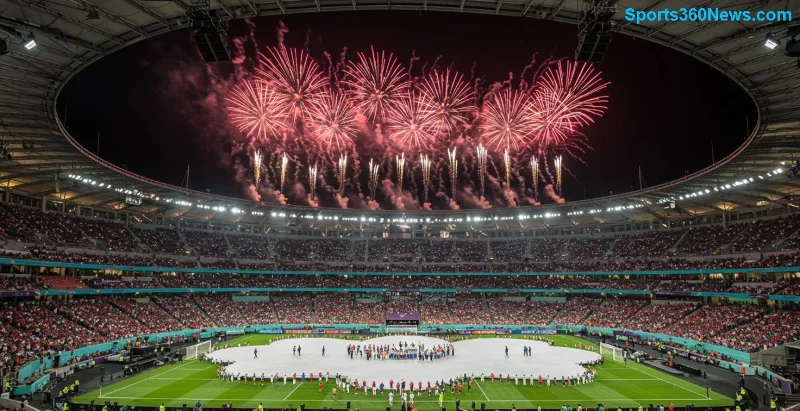
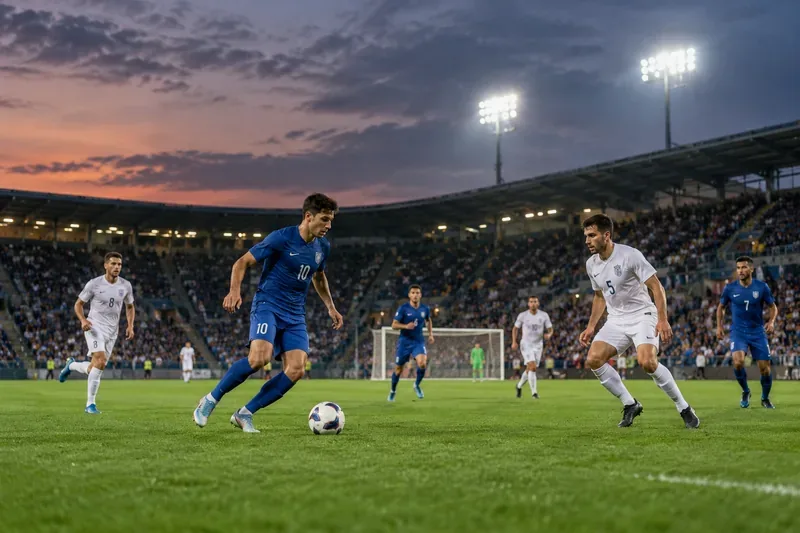
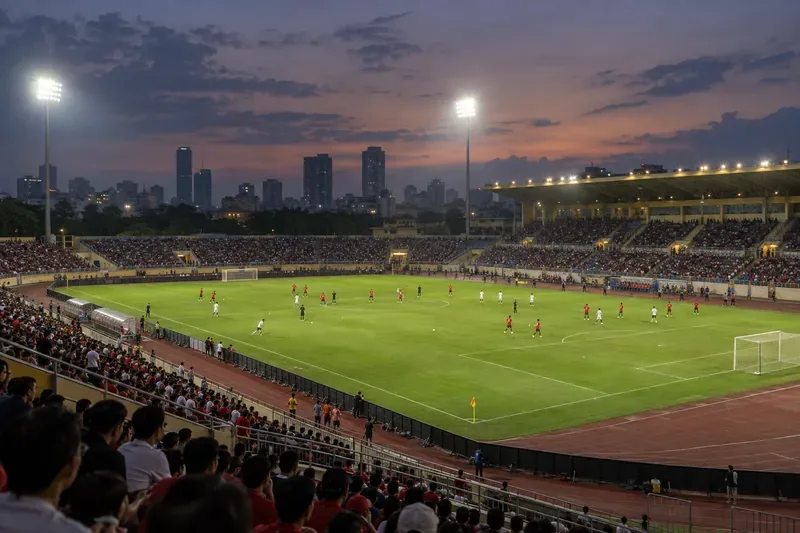
Imagine the thrill of the World Cup amplified: more nations battling for glory, diverse underdogs stealing the spotlight, and football's reach exploding worldwide. That's the promise behind FIFA's groundbreaking decision to boost the number of participating teams from 32 to 48. Announced in 2017 and set to debut at the 2026 FIFA World Cup hosted by the USA, Canada, and Mexico, this expansion isn't just about numbers—it's a strategic shift reshaping the beautiful game. But why make this change now? Let's dive into the core reasons, benefits, and debates surrounding it.

A Brief History: From 16 to 32, and Now to 48 Teams
To understand the World Cup expansion, we need context. The tournament started small in 1930 with just 13 teams. It grew to 16 in 1950, then 24 in 1982, and finally hit 32 teams in 1998—a format that defined modern eras, including iconic moments like France 1998 and Qatar 2022.
By 2016, FIFA President Gianni Infantino proposed expanding further. After heated debates and votes, the council approved 48 teams for 2026. This isn't arbitrary; it's driven by data showing football's global boom. Over 211 member associations now exist, but only a fraction qualified under the old system. The increase aims to include more voices from Asia, Africa, and beyond.
Key Reasons for Increasing Teams from 32 to 48
So, why the jump? FIFA's rationale boils down to accessibility, growth, and revenue. Here's a focused breakdown:
- 🌍 Globalizing Football: Football is the world's sport, yet qualifiers favored Europe and South America. With 48 teams, slots expand: Europe gets 16 (up from 13), Asia 8 (from 4.5), Africa 9 (from 5), and new allotments for Oceania (1 guaranteed) and host nations. This levels the playing field for emerging nations like those in the Caribbean or Central Asia, fostering talent pools in underrepresented regions.
- 💰 Boosting Revenue and Engagement: More teams mean more matches— from 64 to 104 games in 2026. That's extra TV rights, sponsorships, and ticket sales. FIFA projects billions in added income, which trickles down to development programs. Think: youth academies in Africa or infrastructure in Asia, making the sport sustainable long-term.
- 🎯 Enhancing Inclusivity and Excitement: The old 32-team format often sidelined passionate football nations. Now, more flags wave in stadiums, creating upsets and stories. Remember Iceland's 2018 run? Multiply that magic across dozens of teams. It also reduces "group of death" intensity early on, with a new group stage format (12 groups of 4, advancing top 2 plus 8 best third-placers).
- 📈 Responding to Fan Demand: Surveys and Infantino's vision highlight fans craving diversity. Post-Qatar 2022, with record viewership (over 5 billion), FIFA sees expansion as a way to sustain hype. It's not just bigger; it's bolder, drawing in casual viewers from non-traditional markets like India or the US.
These drivers align with FIFA's 2026 blueprint, co-hosted across 16 cities for unprecedented scale.
The New Format: How 48 Teams Will Play Out
Transitioning to 48 teams requires tweaks. The structure evolves from a straightforward group stage to something more dynamic:
| Stage |
Details |
Change from 32-Team Format |
| Group Stage |
12 groups of 4 teams each (48 total) |
Up from 8 groups of 4; more balanced distribution |
| Advancement |
Top 2 per group + 8 best third-placers (32 teams to knockout) |
Increases progression chances, reduces early eliminations |
| Knockout Rounds |
Round of 32, then standard single-elimination |
Adds extra round for deeper competition |
| Total Matches |
104 games over 39 days |
40 more than previous; spread across three host countries |
This setup minimizes rest days and travel fatigue, thanks to the North American venues. It's designed for fairness while ramping up drama—perfect for the 2026 World Cup.
![Teams celebrating qualification in the expanded World Cup era]()
Benefits vs. Controversies: Is 48 Teams a Win?
Proponents hail the expansion for democratizing football. It could unearth stars like Morocco's 2022 squad from more corners of the globe, boosting women's and youth programs via reinvested funds. Economically, hosts stand to gain: the US alone could see $5 billion in tourism and jobs, per estimates.
Yet, critics aren't silent. Some argue it dilutes quality—more matches risk fatigue and lower standards, echoing complaints from the 1982 expansion. Environmental concerns arise too: extra games mean higher carbon footprints from travel. And politically? FIFA's vote faced corruption allegations, though cleared.
Despite debates, data from friendlies and qualifiers suggests positives outweigh negatives. As one expert notes, "It's evolution, not revolution—football grows or stagnates."
For deeper insights, check FIFA's official announcement here.
What This Means for 2026 and Beyond
The World Cup 48-team expansion signals football's maturing global footprint. Expect thrilling narratives: Will an Asian giant like India qualify? Can African teams dominate? As qualifiers kick off (e.g., AFC's expanded slots), anticipation builds.
Teaser: How might this affect superstars like Messi or emerging talents? Stay tuned— the beautiful game's next chapter promises inclusivity, innovation, and endless excitement. What do you think—does 48 teams elevate or overwhelm the tournament? Share in the comments below!
![Global fans uniting for the bigger World Cup vision]()
In summary, FIFA's move from 32 to 48 teams is about sharing the world's biggest stage wider. It's a calculated bet on growth that could redefine legacies. With 2026 on the horizon, football fans worldwide are geared up for history in the making.