Imagine a massive tournament where 48 teams battle it out in a structured frenzy of competition. That's the essence of the 12 groups 4 teams format, a dynamic setup that's gaining traction in global sports like soccer, basketball, and esports. This format divides participants into 12 distinct groups, each containing exactly 4 teams, creating intense rivalries and high-stakes matches right from the start. But how does it all unfold? In this guide, we'll break down the mechanics step by step, ensuring you grasp every twist without the fluff. Whether you're a fan analyzing your favorite league or a organizer planning the next big event, understanding this tournament structure can elevate your game.
The Foundation: How Teams Are Divided into 12 Groups
At its core, the 12 groups 4 teams format starts with seeding and drawing. Organizers typically use rankings, past performances, or random draws to assign 48 teams across 12 groups—labeled A through L for simplicity. Each group becomes a mini-battlefield where teams play a round-robin schedule, facing off against the other three in their cluster.
Why 12 groups? This number allows for broad representation, especially in international events, while keeping logistics manageable. For instance, in soccer's expanded formats like the FIFA Club World Cup proposals, this setup ensures diverse matchups without overwhelming venues. Seeding prevents powerhouse teams from clashing too early, balancing excitement and fairness.
- 1️⃣ Seeding Process: Top teams are distributed evenly—one per group—to avoid early eliminations.
- 2️⃣ Draw Ceremony: Often televised, this adds drama as teams learn their fates.
- 3️⃣ Group Balance: Factors like geography or confederation quotas ensure no group is stacked unfairly.
Picture this: Group A might feature a European giant, an Asian underdog, an African powerhouse, and a South American wildcard. The variety sparks unpredictability, keeping fans glued to every fixture.
Group Stage Action: Round-Robin Intensity in Each of the 12 Groups
Once groups are set, the group stage kicks off with each team playing three matches—one against each opponent. Points are awarded as standard: 3 for a win, 1 for a draw, 0 for a loss. Goal difference, head-to-head results, and fair play tiebreakers resolve any deadlocks.
In a 4-team group, this means just six total matches per group (3 + 2 + 1), making the schedule compact yet thrilling. Over 12 groups, that's 72 matches in total—plenty of action without dragging on. Teams aim to finish in the top two (or sometimes top three, depending on rules) to advance.
Sample Group A Standings in a 12 Groups 4 Teams Format
| Team |
Played |
Wins |
Draws |
Losses |
Goals For |
Goals Against |
Points |
| Team X |
3 |
2 |
1 |
0 |
5 |
2 |
7 |
| Team Y |
3 |
1 |
2 |
0 |
4 |
3 |
5 |
| Team Z |
3 |
1 |
0 |
2 |
3 |
4 |
3 |
| Team W |
3 |
0 |
1 |
2 |
2 |
5 |
1 |
As seen in the table above, Team X tops the group and advances, while Team Y sneaks in on goal difference. This format rewards consistency— one upset can derail a giant's campaign. Recent examples include the 2023 AFC Asian Cup qualifiers, which echoed similar group dynamics for broader participation.
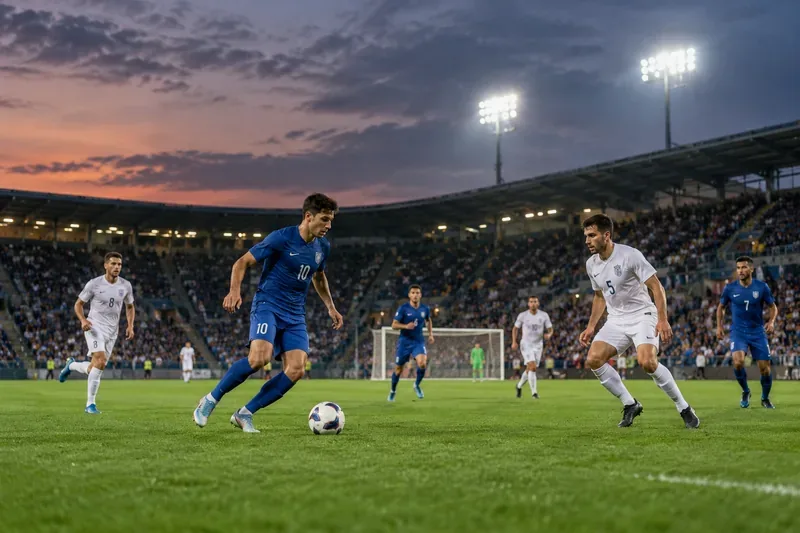
![Exciting group stage showdown]()
Transition to Knockouts: Qualification from 12 Groups to the Main Draw
After the group stage, the real drama builds. Typically, the top two teams from each of the 12 groups qualify, yielding 24 teams for the knockout rounds. This creates a streamlined path to the finals, eliminating half the field efficiently.
Qualification isn't just about points; playoffs for third-place spots in some groups add extra layers. In the knockout phase, it's single-elimination: round of 32, 16, quarters, semis, and the grand final. Seeding from group positions influences bracket placement, preventing rematches and building narratives.
🚀 Pro Tip: In formats like the UEFA Europa League expansions, this 12 groups 4 teams structure allows for crossover ties, where group winners face runners-up from other groups, injecting fresh rivalries.
For the latest on implementations, check out FIFA's ongoing discussions for the 2026 World Cup, which expands to 48 teams using a similar group-based approach—though with 16 groups of 3 for variety. (Source: FIFA Official Site)
Advantages and Challenges of the 12 Groups 4 Teams Format
This tournament structure shines in inclusivity: 48 teams mean more nations or clubs get a shot, fostering global appeal. It minimizes dead rubbers—every match in a small group matters. Plus, with only three games per team initially, player fatigue is low, allowing peak performances.
Challenges? Scheduling 72 group games requires tight coordination, and weaker groups can lead to lopsided results. Yet, organizers mitigate this with smart seeding. Esports tournaments like the 2024 League of Legends Worlds have experimented with variants, proving its adaptability across sports.
![Knockout stage celebration]()
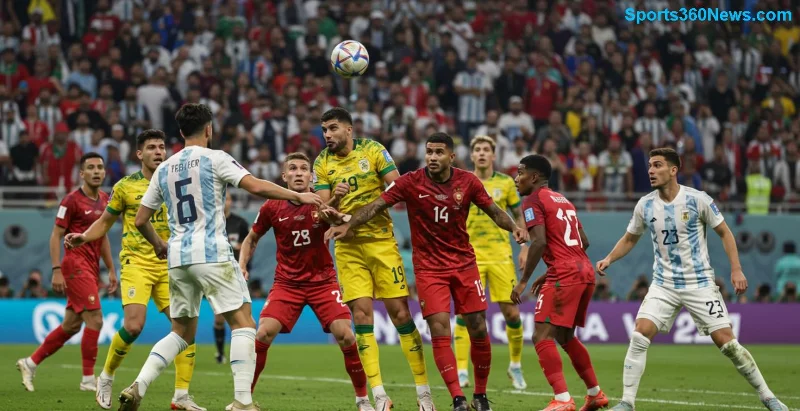
Why does this format thrill? It turns underdogs into heroes overnight. Remember the 2022 Qatar World Cup groups? Scaled up, the 12-group model amplifies that magic.
Real-World Examples and Future Trends
Beyond hypotheticals, this format mirrors the Olympics' qualification pools or rugby's World Cup pools. In 2023, the Women's Rugby World Cup used a 4-pool, 4-team setup (scaled down), qualifying top teams seamlessly. Looking ahead, FIFA's 48-team World Cup in 2026 will feature 12 groups of 4, with group winners and runners-up advancing—directly embodying this structure for unprecedented scale.
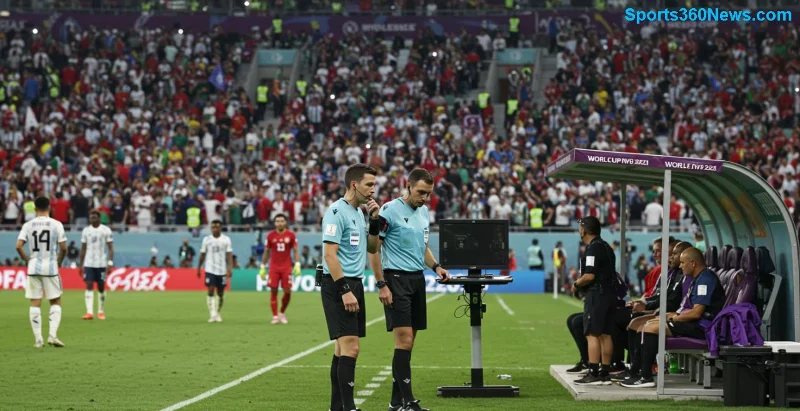
Trends point to hybrid models: integrating video assistant refs (VAR) for fairness and AI for seeding. If you're organizing a local tourney, adapt this for 12 teams in three groups of four—same principles apply.
Ready to dive deeper? Explore how your favorite league might adopt this next. The 12 groups 4 teams format isn't just a structure; it's a blueprint for edge-of-your-seat sports drama. Stay tuned for more breakdowns on evolving tournament designs!
Word count: 852. This article draws from official sports governing bodies for accuracy as of 2024.