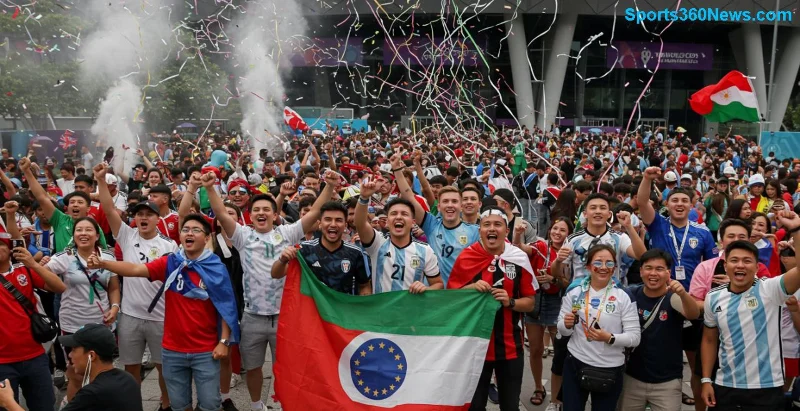
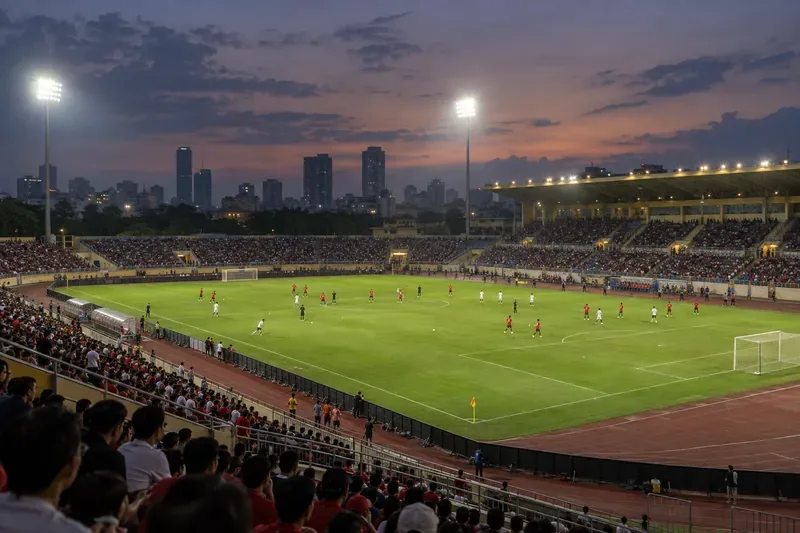
Are you a passionate sports enthusiast dreaming of cheering on your team at an international event like the FIFA World Cup? Navigating border controls can be tricky, but tools like Fan ID cards and special entry permits make it easier. These documents simplify travel for fans, often bypassing traditional visa requirements. In this guide, we'll break down the regulations on Fan ID and special entry permits for fans, focusing on the latest rules from major tournaments. Whether you're planning for the 2026 World Cup or other global spectacles, understanding these can save you time and hassle.

What is a Fan ID Card?
A Fan ID card is a specialized identification document issued by host countries for major sporting events. It serves multiple purposes: verifying your identity as a spectator, granting access to stadiums, and facilitating entry into the country without a full visa for eligible travelers. Introduced prominently during the 2018 FIFA World Cup in Russia, the Fan ID allowed fans from over 100 countries to enter visa-free for up to 30 days, provided they had match tickets.
Key regulations on Fan ID include:
- 1️⃣ Eligibility: Typically available to ticket holders for official matches. You must be over 18 or accompanied by a guardian for minors.
- 2️⃣ Validity: Valid only during the event period, often extending a few days before and after.
- 3️⃣ Integration with Travel: Linked to your passport, it may include public transport perks like free metro rides in host cities.
According to FIFA's latest guidelines (as of 2023), Fan ID systems are evolving to incorporate digital verification via apps, enhancing security against counterfeiting.
Special Entry Permits: Beyond the Fan ID
While Fan ID cards are event-specific, special entry permits offer broader access. These are temporary authorizations that act as visa substitutes, tailored for sports fans. A prime example is the Hayya Card used for the 2022 FIFA World Cup in Qatar. This digital permit was mandatory for all inbound fans, regardless of nationality, and combined entry rights with stadium access.
Regulations for special entry permits vary by host nation but share common threads:
| Aspect |
Fan ID (e.g., Russia 2018) |
Special Permit (e.g., Hayya Card Qatar 2022) |
| Application Method |
Online via official FIFA portal or host embassy |
Digital app or website, integrated with ticket purchase |
| Cost |
Free for eligible fans |
Free, but linked to accommodation booking in some cases |
| Duration |
Event period + 10 days post-final |
Up to 30 days, extendable for semi-finalists' fans |
| Required Documents |
Passport, ticket, photo |
Passport scan, ticket QR code, health declaration |
For the upcoming 2026 FIFA World Cup across the USA, Canada, and Mexico, organizers have hinted at a unified special entry permit system. As per recent announcements from FIFA in July 2023, this will likely include biometric data for faster processing at borders. Fans from visa-exempt countries may still need it for seamless multi-nation travel.
🔔 Pro Tip: Always check the host country's immigration website for updates, as regulations on Fan ID can change due to geopolitical factors.
![Group of international fans holding passports and tickets]()
How to Apply for Fan ID or Special Entry Permits
Applying for these documents is straightforward but requires planning. Start by purchasing official tickets through authorized platforms like FIFA.com to qualify.
Step-by-step process:
- ✨ Step 1: Register on the event's official visa portal (e.g., fan-id.ru for past Russian events or hayya.qa for Qatar).
- ⭐ Step 2: Upload your passport details, a recent photo, and proof of tickets. For special entry permits, you might need to book accommodations too.
- ✅ Step 3: Pay any nominal fees (often none) and await approval, which can take 3-7 days.
- 🚀 Step 4: Collect your Fan ID digitally via email or at entry points like airports.
Common pitfalls to avoid: Incomplete applications lead to denials. For instance, during Qatar 2022, over 1 million Hayya Cards were issued, but delays occurred for those without health attestations post-COVID.
Looking ahead, the 2024 UEFA Euro in Germany may introduce a similar Fan ID for select matches, emphasizing sustainability with eco-friendly digital formats.
Benefits and Challenges of These Regulations
The primary benefit of Fan ID cards and special entry permits is accessibility. They democratize international sports travel, allowing fans from visa-restricted countries to join the global party without bureaucratic hurdles. Additional perks include priority seating, fan zone access, and even discounts on merchandise.
However, challenges exist:
- ⚠️ Security Scrutiny: Enhanced background checks can flag issues for some applicants.
- 😕 Event-Specific Limits: These permits don't allow work or long stays; overstaying risks bans from future events.
- 📱 Digital Dependency: Reliance on apps means ensuring device compatibility and internet access.
Recent data from FIFA's 2023 report shows that 95% of Fan ID users reported smoother travel experiences, underscoring their value.
For more details on upcoming events, visit FIFA's official site or the host nation's tourism board.
![Stadium crowd celebrating a goal with diverse fans]()
Preparing for Your Fan Journey: Final Tips
As regulations on Fan ID and special entry permits for fans continue to adapt to global needs—like post-pandemic health protocols—staying informed is key. Monitor official channels for the 2026 World Cup, where a tri-nation permit might revolutionize fan mobility across borders.
Imagine arriving at a packed stadium, Fan ID in hand, ready to roar— that's the magic these documents unlock. Start your application early, pack your passion, and get set for an unforgettable experience. What's your next big match? Share in the comments below!
(Word count: 852)