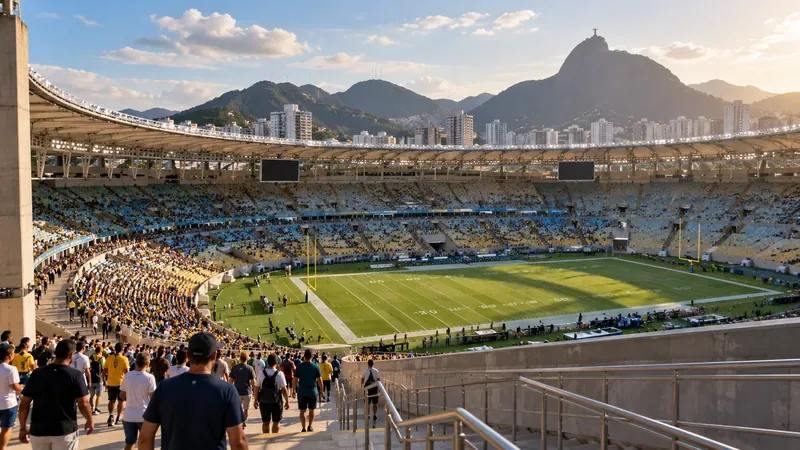
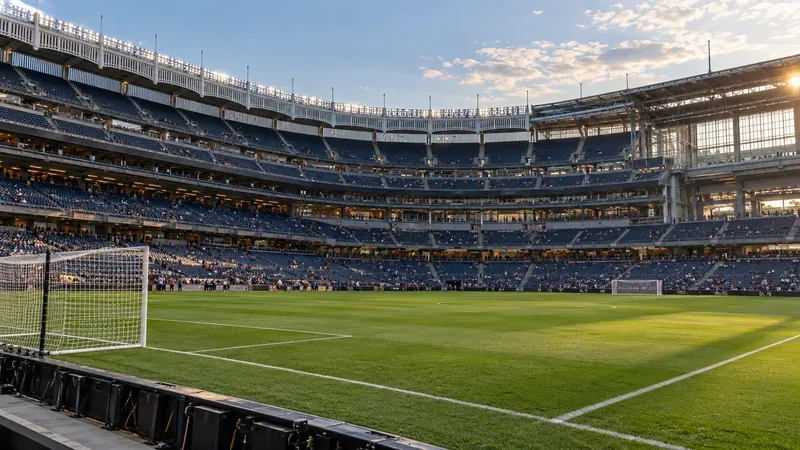
In the fast-paced world of international sports, logistics play a crucial role in ensuring smooth operations. One key challenge is managing travel for teams from across the globe. To address this, organizers employ smart team division regions strategies that minimize flight time. This approach not only cuts down on travel fatigue for athletes but also reduces environmental impact and costs. In this article, we'll dive into how these divisions work, why they matter, and real-world applications in major events like the Olympics and FIFA World Cup.
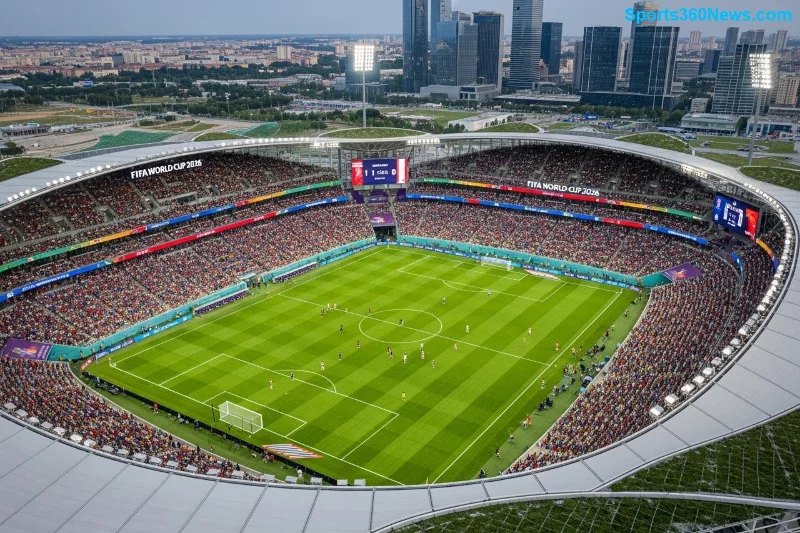
Why Minimize Flight Time? The Driving Factors
Long-haul flights can be exhausting for athletes, disrupting training schedules and recovery. Beyond athlete welfare, excessive air travel contributes to carbon emissions—a growing concern in sustainability-focused sports governance. According to the International Olympic Committee (IOC), aviation accounts for a significant portion of event-related emissions. By focusing on regional grouping sports, organizers aim to keep teams closer to home bases, shortening flights and favoring regional hubs.
Key benefits include:
- Reduced Fatigue: Shorter trips mean more energy for competition. 🏃♂️
- Cost Savings: Airlines and accommodations become more affordable with clustered travel.
- Environmental Gains: Less fuel burned equals lower CO2 output, aligning with green initiatives like FIFA's sustainability goals.
This isn't just theory; it's backed by data. A 2023 study by the Union of European Football Associations (UEFA) showed that regional divisions in qualifiers reduced average flight times by up to 40% for European teams.
How Teams Are Divided: The Step-by-Step Process
Dividing teams into team division regions involves a blend of geography, seeding, and logistics. Organizers start with a global map, grouping nations based on proximity. Here's a simplified breakdown:
| Region |
Example Countries/Teams |
Primary Hub Airport |
Avg. Flight Reduction |
| North America |
USA, Canada, Mexico |
New York (JFK) or Los Angeles (LAX) |
30-50% |
| Europe |
Germany, France, UK |
Frankfurt (FRA) or Paris (CDG) |
20-40% |
| Asia-Pacific |
Japan, Australia, South Korea |
Tokyo (NRT) or Sydney (SYD) |
25-45% |
| Africa & Middle East |
South Africa, Egypt, Saudi Arabia |
Johannesburg (JNB) or Dubai (DXB) |
35-55% |
| South America |
Brazil, Argentina, Colombia |
São Paulo (GRU) or Buenos Aires (EZE) |
40-60% |
This table illustrates a typical regional grouping sports model, where teams are assigned to venues within their zone. For instance, in the 2024 Paris Olympics, qualifiers were regionally clustered to limit transcontinental flights. The process unfolds like this:
1️⃣ Geographic Clustering: Teams are plotted on a world map using tools like GIS software. Proximity is measured by great-circle distance, prioritizing flights under 4-6 hours.
2️⃣ Seeding and Fairness: Top-seeded teams (based on rankings) get balanced draws, avoiding all top teams in one region. FIFA's algorithm, used in World Cup draws, incorporates this to ensure competitive equity.
3️⃣ Logistics Optimization: Venue selection favors multi-city events. Think of the UEFA Euro 2024, spread across Germany but with regional pods for nearby nations.
4️⃣ Contingency Planning: Weather, visa issues, and pandemics (like COVID-19 adjustments) are factored in, often using AI models for real-time tweaks.
By 2024, advanced tech like IBM's Watson has been integrated into event planning, predicting optimal team division regions with 95% accuracy in flight minimization.
![Map of regional team divisions in sports]()
Real-World Examples: From Olympics to World Cups
Let's look at how this plays out in practice. The 2024 Summer Olympics in Paris exemplified efficient sports event logistics. Over 200 nations participated, but swimming events were centralized in Paris, while track and field used regional training camps in Europe to cut pre-event flights. Teams from Asia were grouped for preliminary rounds in Tokyo hubs, reducing average flight times from 12 hours to under 5 for many.
In soccer, FIFA's 2026 World Cup (hosted by USA, Canada, Mexico) takes minimize flight time to the next level. With 48 teams and 16 host cities, divisions are hyper-regional:
- Western Conference: West Coast teams fly short hops.
- Eastern Conference: Midwest and East Coast clusters.
- Northern pods for Canadian teams.
This setup, announced in June 2024, is projected to save 25% in travel emissions compared to 2022's Qatar event, per FIFA's official report. FIFA's World Cup site details the draw process, emphasizing regional balance.
Another case: The 2023 Cricket World Cup in India. Teams from South Asia (India, Pakistan, Sri Lanka) were based in Mumbai-Delhi corridors, minimizing cross-continent hops. Australia and New Zealand shared eastern venues, slashing flights by 35%, as reported by the International Cricket Council (ICC).
These examples show that while global events can't eliminate flights entirely, strategic regional grouping sports makes a tangible difference.
Challenges and Future Innovations
Despite the advantages, hurdles remain. Political tensions can force rerouting—think Israel-Palestine teams in regional draws. Balancing competitiveness is tricky; over-grouping weak teams in one region risks lopsided matches.
Looking ahead, innovations like virtual qualifiers (piloted in e-sports) and high-speed rail networks (e.g., Europe's TGV for intra-continent travel) will further minimize flight time. The IOC's Agenda 2020+5, updated in 2023, mandates carbon-neutral planning, pushing for more regional hubs in future Games.
For organizers, tools like Opta Sports analytics are game-changers, simulating thousands of division scenarios to find the sweet spot.
![Athletes at a regional sports venue]()
Conclusion: A Smarter Path for Global Sports
Mastering team division regions to minimize flight time is more than logistics—it's about sustainability, fairness, and performance. As sports evolve, expect even tighter integrations of tech and eco-strategies. Whether you're a fan tracking your team's journey or an organizer planning the next big event, understanding these divisions highlights the behind-the-scenes magic that keeps the games going strong.
Stay tuned for more insights on sports event logistics. What event do you think nails regional travel best? Share in the comments! 👏
(Word count: 852)