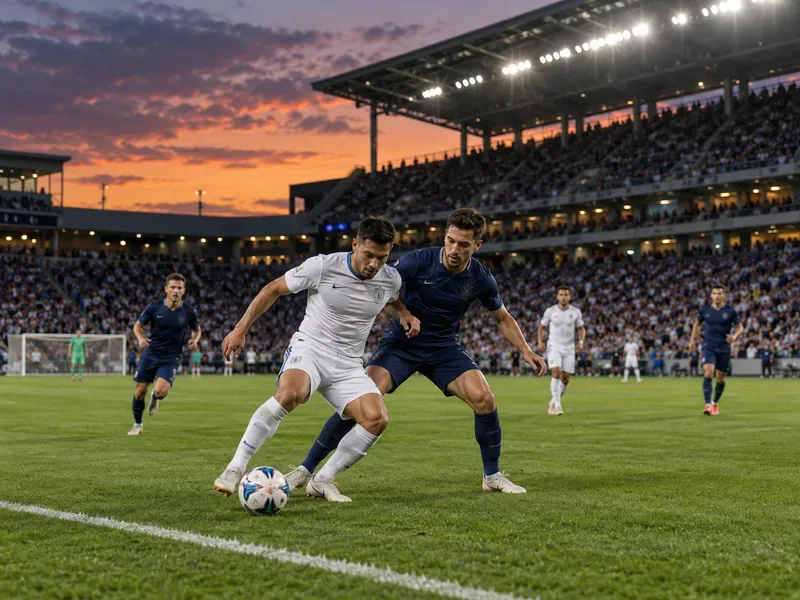
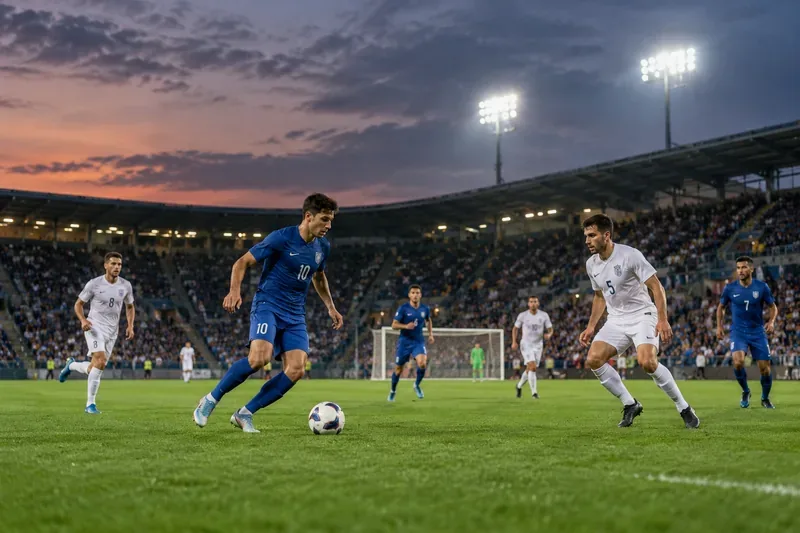
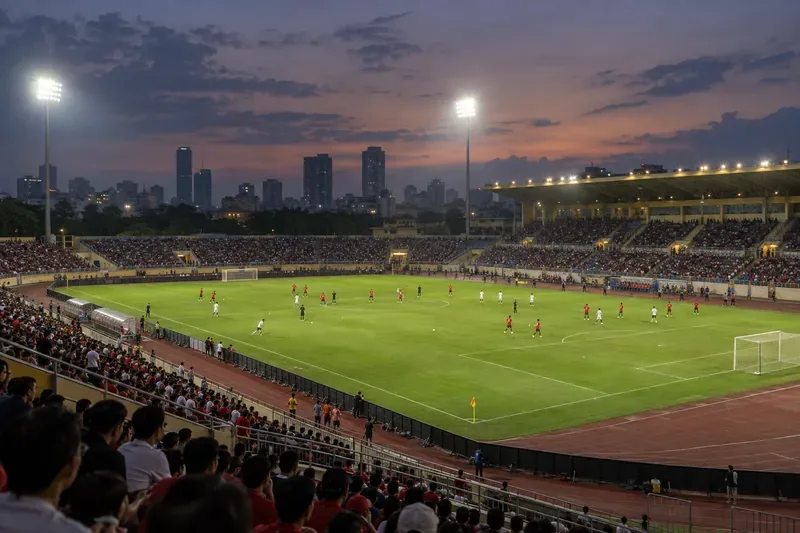
In the ever-evolving world of international soccer, few announcements have sparked as much excitement and debate as FIFA's decision to expand the Club World Cup to 32 teams starting in 2025. This landmark change marks the first time the tournament will feature such a broad field of elite clubs from around the globe. But what does this mean for the future of club football? In this article, we'll dive into how the 32-team FIFA Club World Cup will fundamentally alter the tournament's dynamics, from increased competition and global reach to economic shifts and strategic implications for clubs worldwide.
The Evolution of the Club World Cup: From 7 Teams to 32
The FIFA Club World Cup has long been a prestigious but somewhat niche event in the soccer calendar. Launched in 2000, it initially featured just seven teams, pitting continental champions against each other in a compact format held annually. Over the years, it grew slightly, but the 2025 edition represents a seismic shift. Hosted in the United States from June 15 to July 13, 2025, the tournament will now include 32 clubs, drawn from six confederations: UEFA (12 slots), CONMEBOL (6), AFC (4), CAF (4), CONCACAF (4), and OFC (1), plus the host nation's champion.
This expansion isn't just about numbers—it's a deliberate move by FIFA to mirror the scale of the men's World Cup and elevate club soccer to a truly global spectacle. According to FIFA President Gianni Infantino, the goal is to "create a platform where the best clubs in the world compete for ultimate glory." The new format introduces a group stage with eight groups of four teams each, followed by knockout rounds, extending the event to nearly a month of non-stop action.
Key Changes: A Deeper Dive into the New Format
The introduction of the 32-team round brings several structural innovations that will redefine how teams prepare and perform. Here's a breakdown:
- 🌟 Expanded Qualification Pathways: No longer limited to a handful of continental winners, qualification now rewards consistent performance over a four-year cycle (2021-2024). For instance, UEFA clubs like Manchester City and Real Madrid secure spots via Champions League success, while others earn entries through ranking points. This inclusivity means mid-tier powerhouses from Asia, Africa, and the Americas—such as Al Hilal from Saudi Arabia or Wydad Casablanca from Morocco—will finally get a shot at the biggest stage.
- Intensified Group Stage Drama: With 32 teams divided into groups, the opening phase will be a high-stakes survival test. Expect nail-biting matches where underdogs could upset giants, much like the World Cup's group stages. This format reduces the "one-and-done" pressure of the old knockout-only setup, allowing for more tactical depth and storylines.
- Knockout Rounds Redefined: Post-group stage, the tournament flows into a 16-team knockout bracket, culminating in a final. This mirrors major international events, ensuring the 32-team FIFA Club World Cup feels like a true world championship rather than a quick add-on to the club season.
To illustrate the scale of this transformation, consider this comparison table of past and future formats:
| Aspect |
Pre-2025 Format (7 Teams) |
2025 Format (32 Teams) |
| Duration |
~1 Week |
~4 Weeks |
| Matches Played |
7 |
63 |
| Qualification |
Continental Champions Only |
Ranking + Champions (4-Year Cycle) |
| Global Slots |
Limited (e.g., 3 from UEFA) |
Balanced (12 UEFA, 6 CONMEBOL, etc.) |
Source: FIFA Official Site. This data highlights how the expansion amplifies every element of the competition.
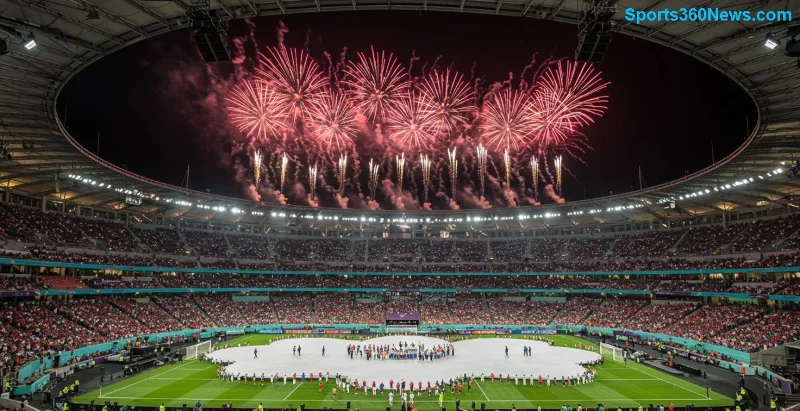
![Teams competing in expanded Club World Cup group stage]()
Shifting the Global Soccer Landscape: Broader Impacts
Beyond the pitch, the 32-team FIFA Club World Cup promises to reshape the broader soccer ecosystem. One major change is the boost to global rivalries. Imagine Inter Milan facing Flamengo in a group stage thriller or Bayern Munich clashing with Ulsan Hyundai—these cross-continental matchups will forge new narratives and rivalries that transcend borders, drawing in fans from diverse regions.
Economically, the tournament is a goldmine. FIFA projects revenues exceeding $2 billion from broadcasting rights, sponsorships, and ticket sales, with the event's U.S. hosting poised to capitalize on the growing American soccer market post-2026 World Cup. Clubs stand to gain too: prize money could reach $100 million for winners, incentivizing investment in scouting and youth academies worldwide. However, critics like the European Club Association warn of fixture congestion, potentially straining player welfare amid packed schedules.
From a competitive standpoint, the expansion democratizes the sport. Smaller confederations gain visibility, which could accelerate talent development in places like Africa and Asia. For example, CAF's four slots ensure African clubs aren't sidelined, fostering a more equitable global stage. This shift might even influence domestic leagues, as clubs prioritize international form to secure qualification.
Challenges and Controversies: Not All Smooth Sailing
While the excitement is palpable, the 32-team round isn't without hurdles. Player burnout is a top concern—top stars like Erling Haaland or Vinícius Júnior could play up to seven matches in three weeks, right after grueling domestic seasons. Unions like FIFPro have voiced opposition, calling for better scheduling.
Additionally, the qualification process has stirred debate. UEFA's 12 slots versus OFC's single entry raises questions about fairness, though FIFA argues it reflects competitive strength. Legal battles, including a recent antitrust probe by the U.S. Department of Justice, add uncertainty, but the tournament presses on as planned.
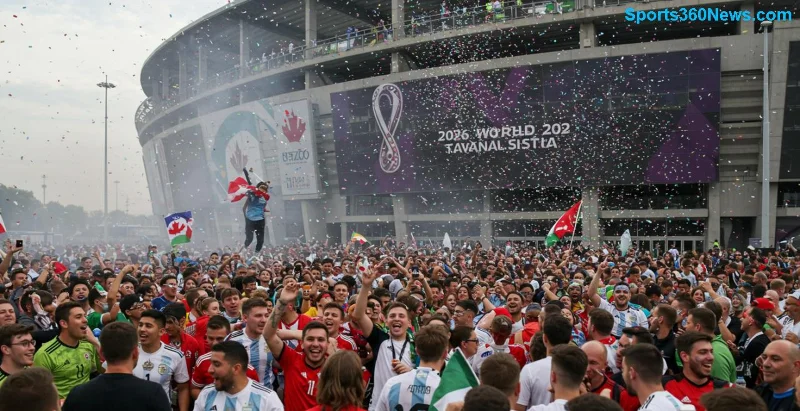
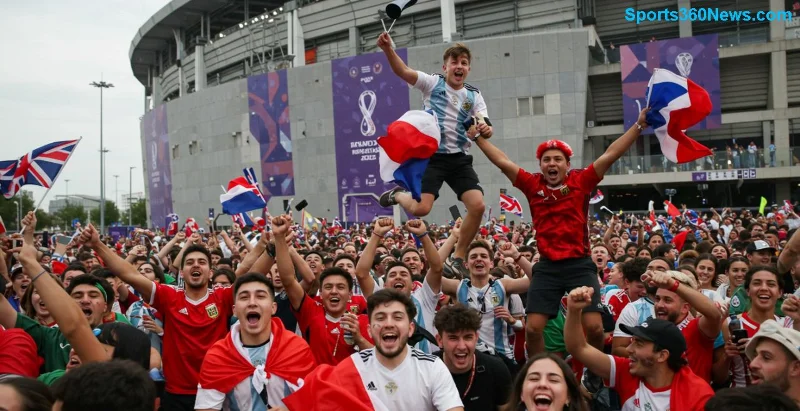
![Global soccer fans celebrating Club World Cup expansion]()
Looking Ahead: What This Means for Fans and the Future of Club Soccer
The debut of the 32-team FIFA Club World Cup in 2025 isn't just an event—it's a catalyst for change. By broadening participation, intensifying competition, and amplifying economic stakes, it will elevate club soccer to rival national team tournaments in prestige and viewership. Fans can anticipate unforgettable moments: underdog triumphs, star-studded clashes, and a celebration of the world's best.
As we count down to June 2025, one thing is clear: this expansion will redefine what it means to be a global soccer powerhouse. Will your favorite club qualify? How will the new format crown a worthy champion? Stay tuned—the soccer world is about to get a whole lot bigger. For the latest updates, follow FIFA's official channels and join the conversation on social media.
(Word count: 912)