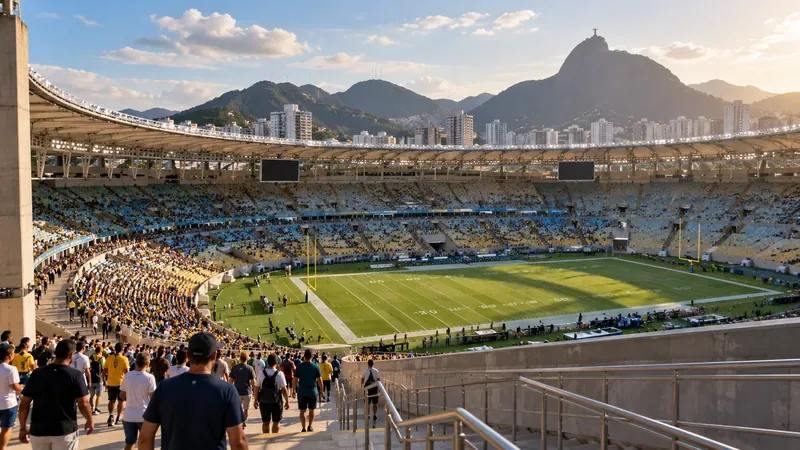
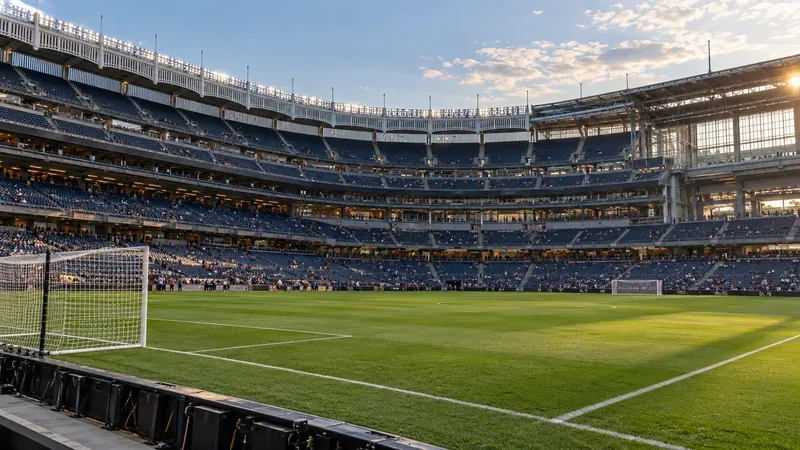
In an era of global mega-events, security in US host cities has become a top priority. With the United States set to co-host the 2026 FIFA World Cup alongside Canada and Mexico, cities like Atlanta, Los Angeles, and New York/New Jersey are ramping up preparations. These tightened security measures aim to protect millions of fans, players, and infrastructure from potential threats, drawing lessons from past events like the Olympics and Super Bowl. This article breaks down how these enhancements are unfolding, focusing on practical, innovative strategies to keep everyone safe.
The Role of Federal and Local Coordination in US Host Cities
One of the foundational pillars of tightened security measures is seamless collaboration between federal agencies and local authorities. The Department of Homeland Security (DHS) leads the charge, integrating resources from the FBI, TSA, and even the National Guard for high-risk scenarios.
- 🛡️ Federal Oversight: DHS has established a unified command center for the 2026 World Cup, similar to the one used for the 2024 Paris Olympics. This ensures real-time intelligence sharing across US host cities.
- 👮 Local Law Enforcement Boost: Cities like Miami and Seattle are hiring thousands of additional officers. For instance, the NYPD plans to deploy over 10,000 personnel during match days in the New York/New Jersey area.
- 📋 Joint Training Exercises: Regular drills simulate threats like active shooters or cyber attacks, involving stadium staff and first responders.
This layered approach minimizes response times, with experts estimating a 30% improvement in coordination compared to previous events. According to a 2023 DHS report, such integrations have proven effective in preventing incidents at large-scale gatherings.
Advanced Surveillance and Technology Integration
Technology is revolutionizing security in US host cities. From AI-powered cameras to drone patrols, innovations are making venues smarter and safer.
| Technology |
Application in US Host Cities |
Expected Impact |
| AI Surveillance Systems |
Installed in stadiums like Mercedes-Benz Stadium in Atlanta and SoFi Stadium in Los Angeles for facial recognition and anomaly detection. |
Reduces false alarms by 40% and identifies threats in seconds. |
| Drone and Aerial Monitoring |
Used over venues in Dallas and Houston to scan perimeters and crowds. |
Provides 360-degree views, covering areas ground teams can't reach. |
| Cybersecurity Firewalls |
Protects ticketing systems and broadcasts from hacks, as seen in preparations for Kansas City's Arrowhead Stadium. |
Prevents disruptions like the 2022 Qatar World Cup cyber attempts. |
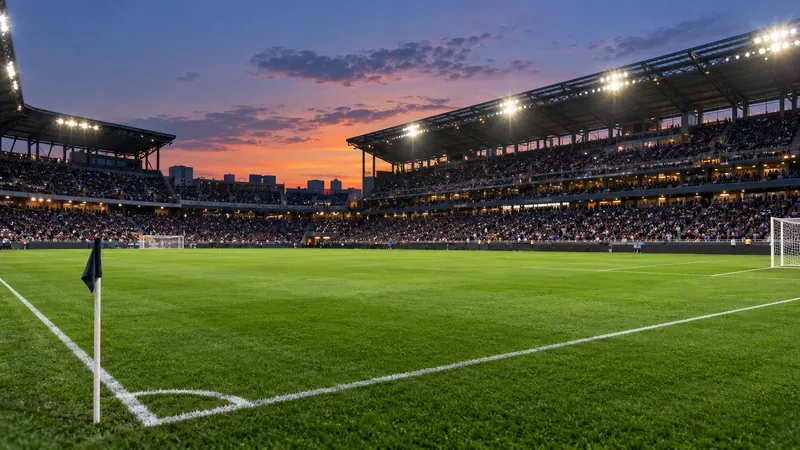
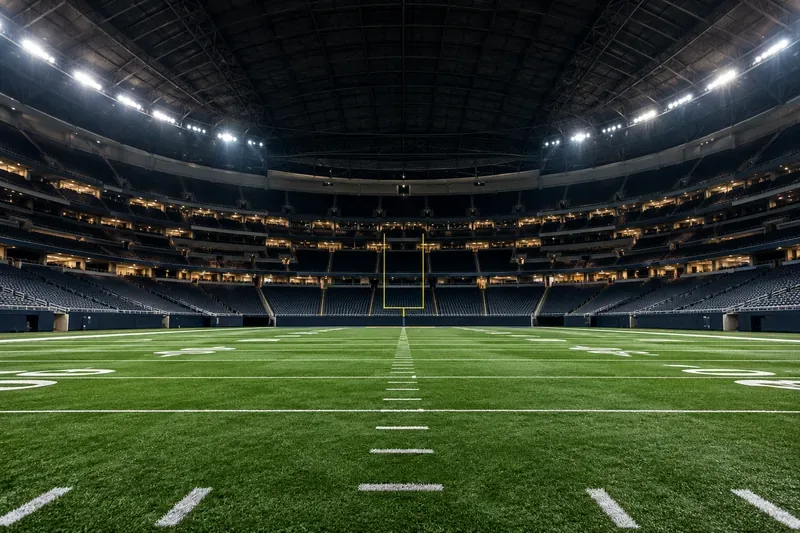
These tools aren't just reactive; they're predictive. For example, Boston's Gillette Stadium is piloting AI software that analyzes crowd flow to prevent bottlenecks, a measure informed by post-9/11 security upgrades. Recent updates from FIFA's 2024 security guidelines emphasize these tech integrations for all 11 US host cities.
![Advanced security tech in action at a US sports venue]()
Crowd Control and Perimeter Security Strategies
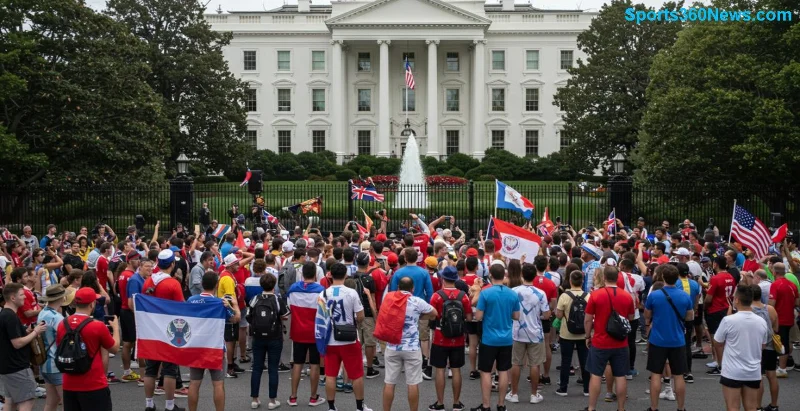
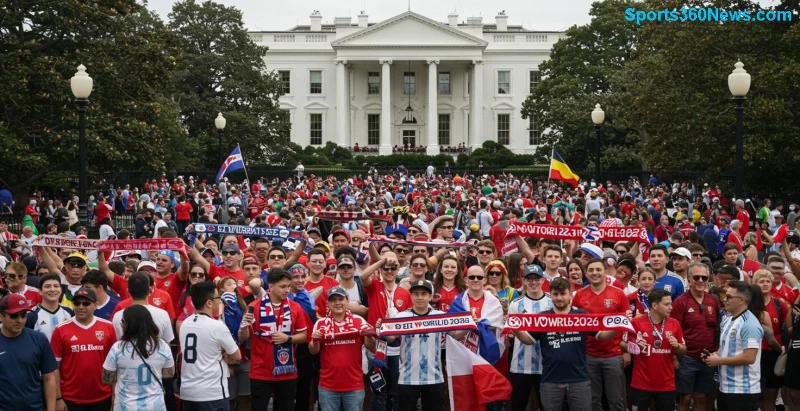
Managing massive crowds—expected to exceed 5 million visitors for the 2026 World Cup—requires robust tightened security measures. Perimeter defenses are being fortified with multi-layered barriers.
- 🚧 Enhanced Perimeters: Fences, bollards, and vehicle barriers surround stadiums in Philadelphia and San Francisco, designed to withstand ramming attacks. Washington's Audi Field is upgrading to blast-resistant materials.
- 👥 Crowd Flow Management: Digital apps guide fans to entry points, reducing congestion. Miami's Hard Rock Stadium uses geofencing to alert authorities of unauthorized gatherings.
- 🩹 Medical and Evacuation Protocols: On-site trauma centers and rapid evacuation routes are mandatory, with Seattle's Lumen Field testing drone-delivered medical supplies.
These strategies build on successes from the 2022 Super Bowl in Los Angeles, where similar measures kept incidents low. A 2024 study by the Urban Institute highlights how such planning in US host cities could cut emergency responses by half during peak events.
Counter-Terrorism and Intelligence Efforts
Addressing terrorism remains paramount. Intelligence agencies are heightening vigilance through pre-event vetting and ongoing monitoring.
The FBI's Joint Terrorism Task Forces (JTTFs) are active in all US host cities, screening international arrivals via enhanced TSA protocols. Visa overstays and social media monitoring are key focuses, with new AI tools flagging potential risks. For the World Cup, FIFA and US Soccer are partnering with Interpol for global threat assessments, as detailed in their June 2024 joint statement.
Additionally, community engagement programs in cities like Atlanta educate residents on reporting suspicious activities, fostering a "see something, say something" culture that's credited with thwarting plots in the past.
![Crowd control and perimeter security at a major US event]()
Challenges and Future Outlook
While these tightened security measures are impressive, challenges persist. Budget constraints in smaller markets like Kansas City could strain resources, and balancing security with fan experience is tricky—think long lines versus thorough checks.
Looking ahead, experts predict further evolution with biometric entry systems by 2026. For more details on federal preparations, check out the official DHS website. As the event nears, staying informed on local updates will be crucial for visitors.
In summary, security in US host cities for the 2026 World Cup is a model of proactive defense, blending human expertise with tech innovation. Whether you're a fan planning to attend or just curious, these measures promise a safer spectacle. What aspect of event security intrigues you most? Share in the comments below!