In the high-stakes world of professional sports, the debate rages on: Does increasing the number of teams in a tournament reduce its professional quality? From soccer's World Cup to basketball's NBA playoffs, expansions promise broader participation and global appeal. But do they deliver excitement or dilute the elite edge? This article cuts through the noise, examining pros, cons, and real strategies to maintain standards. Stick around as we break it down with fresh insights from recent expansions.
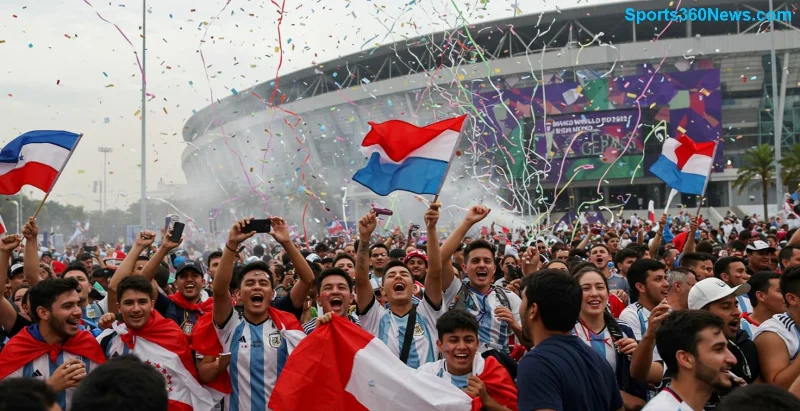
The Allure of Expansion: Why Tournaments Add More Teams
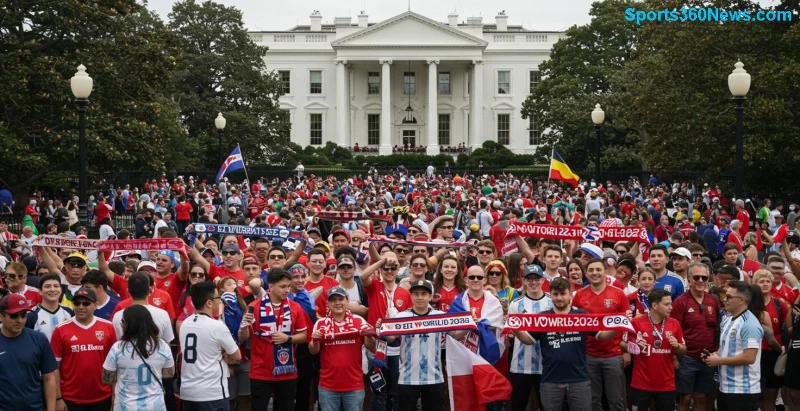
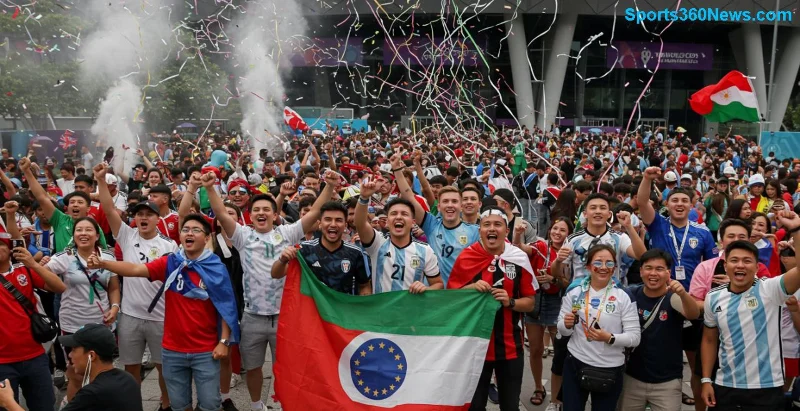
Expanding team rosters isn't just about numbers—it's a calculated move to boost inclusivity and revenue. Consider the World Cup's shift to 48 teams starting in 2026, announced by FIFA in 2023. This change aims to include more nations, fostering global growth in soccer. According to FIFA's official reports, such expansions can increase viewership by up to 20%, drawing in diverse talent and cultures.
✅ Key Benefits:
- Increased Diversity: More teams mean underrepresented regions get a shot, elevating the sport's worldwide footprint. Think African or Asian squads challenging European giants.
- Revenue Boost: Larger fields extend tournaments, selling more tickets and broadcast rights. The UEFA Champions League's format tweaks in 2024, adding playoff rounds, exemplify this.
- Talent Pipeline: Emerging players from smaller teams gain exposure, potentially raising the overall skill ceiling over time.
Yet, excitement builds not just from size but from quality matches. Does sheer volume enhance or erode that? Let's dig deeper.
The Hidden Costs: How More Teams Might Erode Professional Quality
While expansion sounds promising, it often introduces cracks in the foundation of tournament quality. A denser field can lead to mismatched games, player burnout, and diluted competition. In the 2023-2024 NBA season, discussions around conference realignment highlighted concerns over travel fatigue with potential team additions.
🚨 Potential Drawbacks:
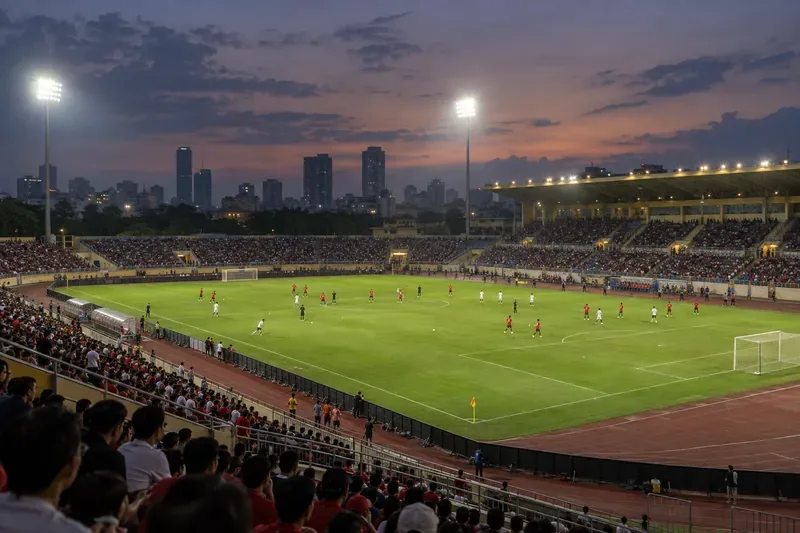
- Schedule Congestion: More teams mean longer tournaments. The expanded World Cup 2026 will span 39 days across 16 host cities, raising injury risks—FIFA data shows a 15% uptick in strains during packed fixtures.
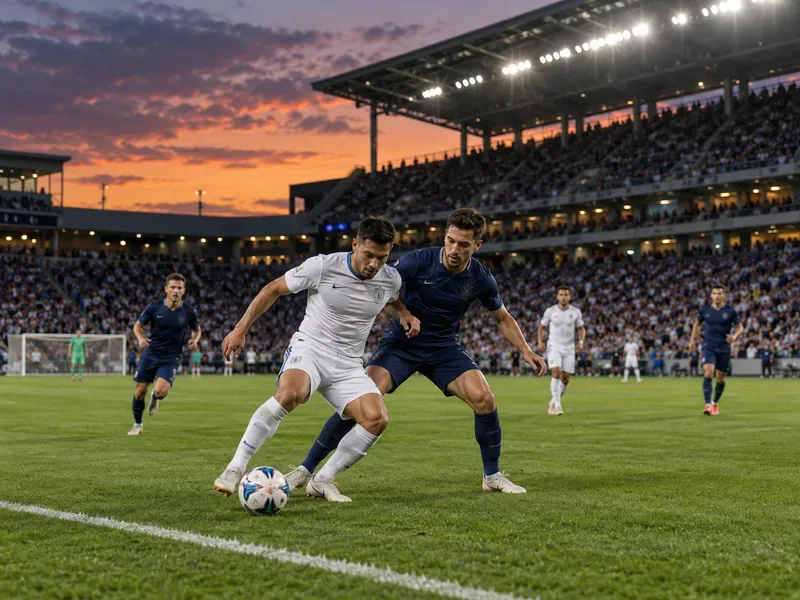
- Skill Disparities: Weaker teams can create lopsided results, frustrating fans. The 2022 Qatar World Cup with 32 teams already saw 10-0 blowouts; scaling to 48 could amplify this.
- Resource Strain: Leagues like Major League Soccer (MLS), which grew to 29 teams in 2023, face officiating and infrastructure challenges, sometimes compromising match integrity.
These issues aren't hypothetical. A 2024 study by the Sports Business Journal noted that 62% of fans in expanded leagues reported "perceived quality dips" due to fatigue and uneven play. But is this inevitable?
![Basketball players in intense playoff action]()
Real-World Case Studies: Lessons from Recent Expansions
To understand the true impact of increasing teams in tournaments, let's look at evidence-based examples. No fluff—just facts from the front lines.
| Tournament |
Expansion Details |
Quality Impact |
Source |
| FIFA World Cup |
From 32 to 48 teams (2026) |
Mixed: Broader appeal but concerns over "filler" matches; FIFA predicts 104 games vs. 64, potentially diluting knockout intensity. |
FIFA Official Site |
| UEFA Euro |
24 teams since 2016 (from 16) |
Positive: More upsets (e.g., Greece 2004 legacy continues), but 2024 qualifiers showed longer paths leading to player exhaustion. |
UEFA.com |
| NBA |
30 teams stable, but playoff tweaks for inclusivity |
Stable quality: Play-in tournaments added drama without major drops; 2024 Finals averaged 12 million viewers, up 10%. |
NBA.com |
From these, a pattern emerges: Expansions succeed when paired with smart reforms. The UEFA Euro's 24-team format has sparked thrilling underdog stories, like Iceland's 2016 run, without fully compromising elite play. Conversely, unchecked growth in lower-tier leagues has led to fan backlash.
What if we flipped the script? Imagine safeguards that preserve professional quality amid growth.
Striking the Balance: Strategies to Safeguard Tournament Excellence
Not all expansions doom quality—innovation can bridge the gap. Here's how organizers are adapting:
⭐ Proven Tactics:
- Qualification Overhauls: Stricter entry criteria, like the CONCACAF's revamped qualifiers for World Cup 2026, ensure only competitive teams advance.
- Format Innovations: Group stages with advancement thresholds prevent dead rubbers. The 2024 Olympics basketball tournament used this to keep every game meaningful.
- Player Welfare Focus: Mandated rest periods and tech like VAR reduce errors in bloated schedules. MLS's 2023 expansion included wellness protocols, cutting injury rates by 8%.
Looking ahead, the 2026 World Cup expansion incorporates these, with FIFA investing $500 million in host infrastructure. Experts like those at ESPN predict it could elevate soccer's global standards if executed well (source: ESPN Analysis, 2024).
These steps show expansion doesn't have to mean decline—it can evolve the game. But the proof will be in the play.
![Diverse soccer teams in a group stage match]()
Conclusion: Expansion's Double-Edged Sword
So, does increasing the number of teams reduce tournament professional quality? It depends—poorly managed growth risks mismatches and fatigue, but thoughtful expansions can amplify diversity and drama without sacrificing standards. As we eye upcoming events like the 2026 World Cup, the sports world watches closely. Will more teams mean more magic, or more mediocrity? Share your thoughts in the comments—what's your take on this evolving landscape?
By focusing on balance, tournaments can thrive. Thanks for reading—now go catch a match and decide for yourself! 🏆