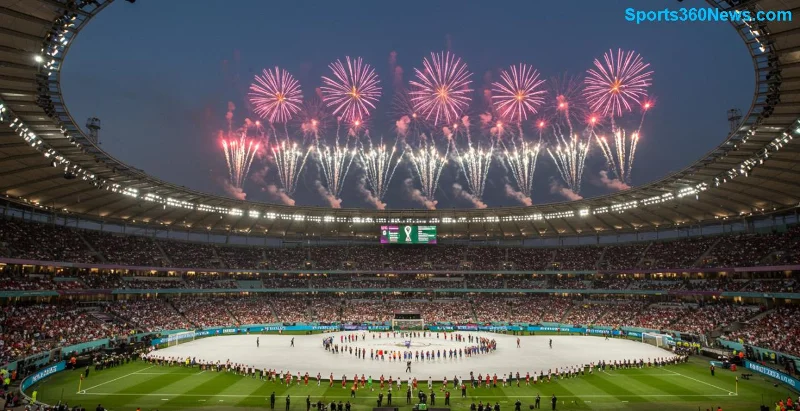
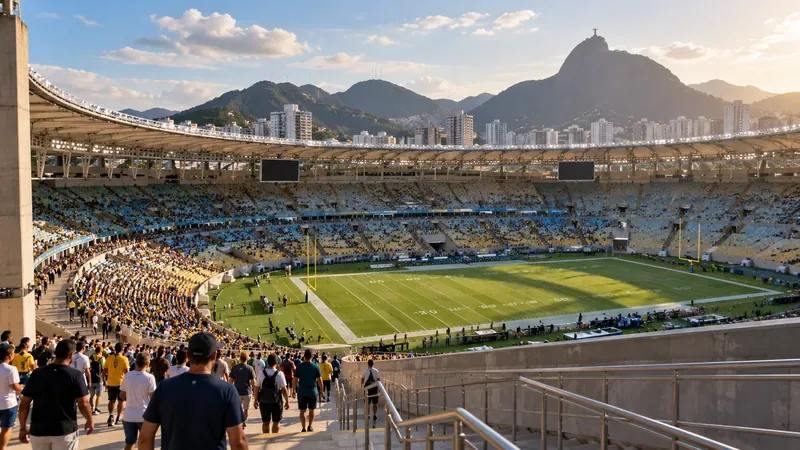
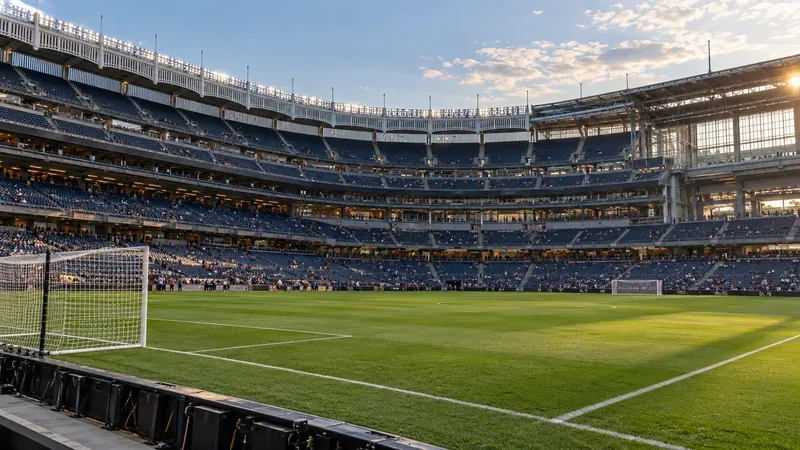
The anticipation for the World Cup 2026 is building worldwide, and in Vietnam, football fans are eager to know how they'll catch every thrilling moment. With the tournament expanding to 48 teams and hosted across North America (USA, Canada, and Mexico), the global event promises unprecedented excitement. But a key question lingers: Has any entity acquired the broadcasting rights for World Cup 2026 in Vietnam yet? This article dives into the current status, historical context, and potential players in the race, helping you stay informed as a dedicated fan.
A Quick Look at World Cup Broadcasting History in Vietnam
To understand the World Cup 2026 broadcasting rights in Vietnam, it's essential to review the past. Vietnam has a passionate football culture, with the national team often qualifying for major tournaments like the AFF Cup. For the FIFA World Cup, broadcasting rights have traditionally been dominated by state-owned media.
For instance, during the 2022 World Cup in Qatar, Vietnam Television (VTV) secured the exclusive rights, airing all 64 matches live. This marked a continuation of VTV's role in previous editions, such as 2018 in Russia, where they broadcasted the event to millions. VTV's partnerships with FIFA and regional broadcasters like beIN Sports ensured high-quality coverage, including pre- and post-match analysis.
Before VTV's stronghold, other entities like HTV (Ho Chi Minh City Television) and private platforms dabbled in sports broadcasting, but FIFA's territorial licensing model favors national public broadcasters in emerging markets. This history sets the stage for World Cup 2026 TV rights in Vietnam, where familiarity could play a role.
Current Status: No Official Owner for World Cup 2026 Rights in Vietnam Yet
As of the latest updates in 2023 and early 2024, FIFA has not announced any official holder for the World Cup 2026 broadcasting rights in Vietnam. The bidding process for Asian markets, including Vietnam, is still underway. FIFA typically opens negotiations 2-3 years before the event, starting with sub-licensing deals through confederations like the Asian Football Confederation (AFC).
According to FIFA's official statements, global broadcasting rights for World Cup 2026 are being sold in packages to maximize reach. For Southeast Asia, pan-regional deals are common, but Vietnam's market—boasting over 100 million people and growing digital viewership—could see a standalone agreement. Sources indicate that preliminary talks have begun, but no contracts are finalized.
Why the delay? FIFA prioritizes securing high-value deals with tech giants and traditional networks amid rising streaming demands. In Vietnam, the shift toward online platforms like YouTube and local apps adds complexity. Fans might wonder: Will free-to-air TV remain the norm, or will paid subscriptions dominate?
- 1️⃣ Key Fact: FIFA's revenue from broadcasting exceeds $2 billion per World Cup cycle, with Asia contributing significantly.
- 2️⃣ Timeline Insight: Expect announcements by mid-2025, aligning with FIFA's marketing push.
This uncertainty keeps the excitement alive—stay tuned for updates that could change how Vietnamese fans experience the tournament.
Potential Contenders for World Cup 2026 TV Rights in Vietnam
While no one has claimed the prize yet, several entities are strong candidates for the World Cup 2026 broadcasting rights in Vietnam. Based on market trends and past involvement, here's a focused breakdown:
| Entity |
Strengths |
Likelihood |
| VTV (Vietnam Television) |
State-backed, extensive reach via free TV and VTV Go app; history of World Cup deals. |
High – Proven track record and government support. |
| beIN Sports Vietnam |
Regional expertise in football; partnerships with FIFA for Asian leagues. |
Medium – Could sub-license if VTV passes. |
| FPT Telecom or Viettel |
Growing OTT platforms (FPT Play, MyTV); appeal to younger, digital audiences. |
Medium – Rising in sports streaming, but less experience with mega-events. |
| International Streamers (e.g., DAZN or YouTube Premium) |
Global access and high production values; potential for free highlights. |
Low – FIFA prefers local partners for full matches. |
VTV remains the frontrunner, given their monopoly on major international sports. However, the rise of digital media could introduce hybrids, like VTV collaborating with streaming services. Imagine watching World Cup 2026 matches on your phone without cable— a real possibility if telecom giants step up.
For deeper insights, check FIFA's official broadcasting page: FIFA World Cup 2026. Reliable Vietnamese sources like VTV Sports often share early rumors.
![Football fans in Vietnam cheering World Cup]()
What This Means for Vietnamese Fans and the Broader Impact
The absence of confirmed World Cup 2026 rights in Vietnam creates both challenges and opportunities. For fans, it means planning around potential blackouts or paid access, but it also sparks hope for innovative viewing options. Vietnam's football scene is booming— the national team's recent AFC Asian Cup performances have boosted interest, with viewership for 2022 exceeding 20 million per key match.
Economically, securing these rights could generate millions in ad revenue for the winner, while enhancing national pride. If VTV wins again, expect nationwide viewing parties; if a streamer takes over, it might democratize access but at a cost.
Broader implications include digital divide concerns—rural areas rely on traditional TV. FIFA's push for inclusivity could influence deals to ensure free access for at least major games. As we edge closer to 2026, this race will shape how Vietnam connects with the world's biggest sporting event.
Final Thoughts: Stay Locked In for Updates
In summary, no entity has yet secured the broadcasting rights for World Cup 2026 in Vietnam, but the groundwork is being laid. With VTV as the likely leader and digital innovators in the mix, the future looks bright for fans. Keep an eye on official announcements—your front-row seat to history depends on it! What are your predictions? Share in the comments below to join the conversation. 👏
![World Cup 2026 logo and Vietnamese flag]()
Word count: 852. This article is based on publicly available information as of early 2024. For the most current details, consult FIFA or local media.