How to Check Real-Time Server Latency in the PUBG HUD

Enable PUBG’s network statistics HUD to monitor ping and packet loss in a match. See where to find it, what the numbers mean, and what they cannot diagnose.
Dragon Soul feels overpowered because it gives a team a lasting edge in every fight that follows. In standard Summoner’s Rift, a team earns it by taking four Elemental Drakes. The buff stays for the rest of the game, even after its holders die, and the next major dragon objective becomes Elder Dragon. That makes Soul a powerful win condition, but it is not an automatic victory: the effect varies by element, and teams still have to use it well.
The key is understanding what the reward actually does. Dragon Soul does not grow infinitely with game time, and teams do not need four dragons of the same type. Its strength comes from permanence, team-wide value, and the pressure it puts on the next objective fight.
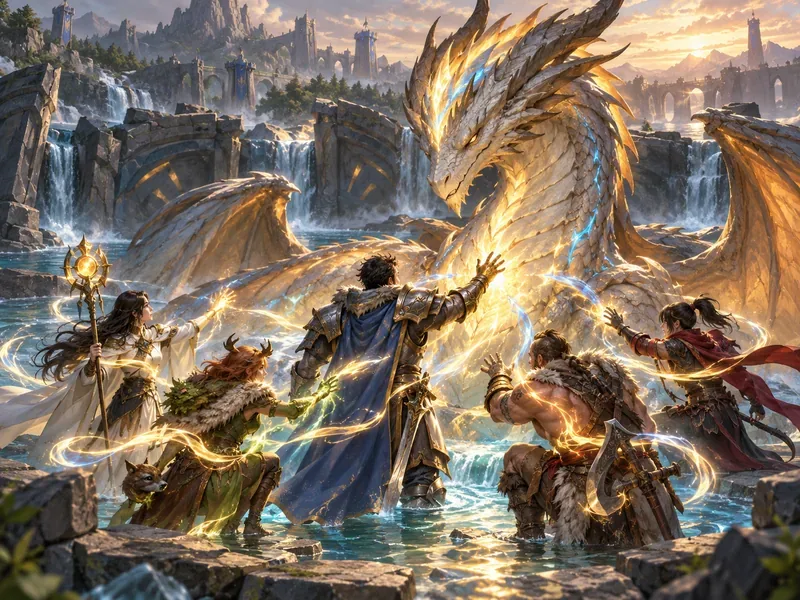
Riot introduced Dragon Soul as the payoff for winning the elemental-drake race: the first team to slay four Elemental Drakes receives the Soul associated with the match’s elemental Rift. The drakes count toward the total; they do not all have to be the same element. Riot’s original explanation says the buff persists through death for the rest of the match. It also explains that after a team claims Soul, Elder Dragon takes over the pit. See Riot’s Elemental Rift and Dragon Soul overview for the system’s design details.
This is why the fourth dragon is more than another stack. It can end the regular elemental-drake race, award a permanent combat effect, and move both teams toward a later Elder Dragon fight. If the enemy is on three drakes, your next decision is about denying Soul as well as contesting a monster.
Baron and Elder are powerful, time-limited windows for siege or combat. Dragon Soul is different: once earned, it remains active through the rest of the game, including after death. A team can lose one fight, regroup, and still bring the Soul advantage into the next one. Riot’s preseason explanation specifically describes the permanent buff as an additional payoff for the team that wins the elemental-drake game.
Unlike a champion’s item spike, Soul is a shared objective reward. Its effect can support different roles at once: extra damage can help a carry finish a target, movement can help teammates reposition, and shields or sustain can give a frontline more time. Its value is easiest to feel in repeated skirmishes, where the opposing team must account for the effect every time it engages.
Teams begin planning around the soul point before the dragon spawns. They need to push lanes, establish vision, and decide whether to fight, zone the enemy, or trade elsewhere. That preparation can create value even before the Soul is secured: the threat forces the opposing team to show on the map or concede ground. This pressure is why objective setup matters as much as the final Smite.
The elemental type gives Soul its identity. Use this table as a strategic summary, not a promise of exact patch numbers; Riot has adjusted individual souls over time, so the in-game tooltip is the best source for live values.
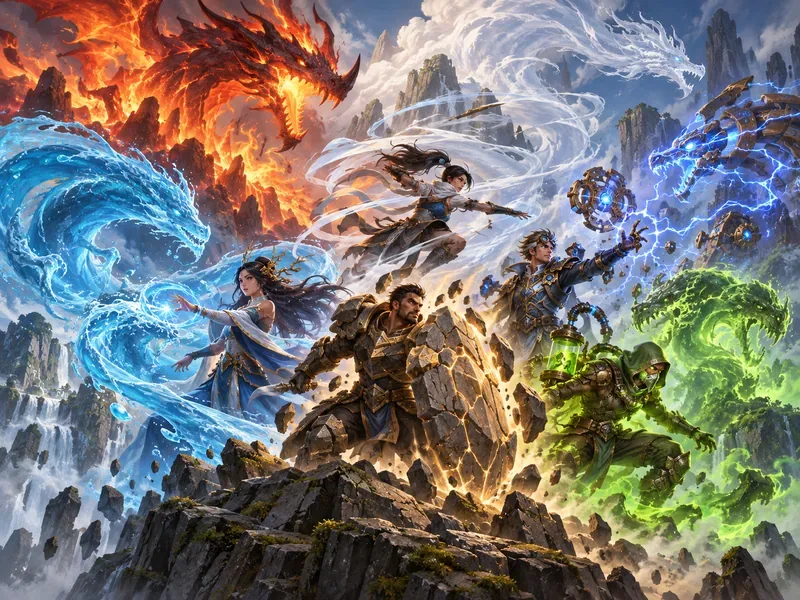
| Dragon Soul | Broad effect | What it can enable |
|---|---|---|
| Infernal | Periodic area damage when attacking or using damaging abilities. | Extra pressure when enemies group around a carry or objective. |
| Ocean | Health and resource sustain after dealing damage. | Longer skirmishes where a team can keep trading and re-engaging. |
| Cloud | Bonus movement speed. | Faster rotations, pursuit, disengage, and access to side lanes. |
| Mountain | A defensive shield after avoiding damage for a period. | Safer approaches and an extra buffer before a fight becomes lethal. |
| Hextech | Chain lightning that can slow enemies when attacks or abilities connect. | Spread pressure and follow-up opportunities against clustered teams. |
| Chemtech | Increased damage and damage reduction while below half health. | More threat and staying power for a team fighting from low health. |
These effects do not make every composition equally strong. Infernal may help teams that can damage grouped targets, while Cloud can make rotations and chases easier. Ocean’s sustain can matter when fights last, and Mountain’s shield rewards teams that can reset before re-engaging. Chemtech’s low-health effect and Cloud’s movement speed have both been tuned in Riot patch notes, including Patch 2025.S1.3. Check the current in-game tooltip for exact values.
There is no single objective that is always best. Dragon Soul offers a permanent team-wide combat benefit. Baron is especially useful for empowering a push and helping a team pressure structures during its buff window. Elder Dragon is a short-term combat objective designed to make a teamfight decisive. Riot’s Dragon Soul and Elder design notes describe Elder as a powerful, temporary fight buff, while Soul remains for the rest of the match.
So Soul can be the most valuable long-term reward without being an instant win or a reason to abandon every other play. A Baron take may convert a lead into towers; an Elder fight may decide the final push. Compare the reward with your team’s health, lane positions, cooldowns, and ability to use the buff.
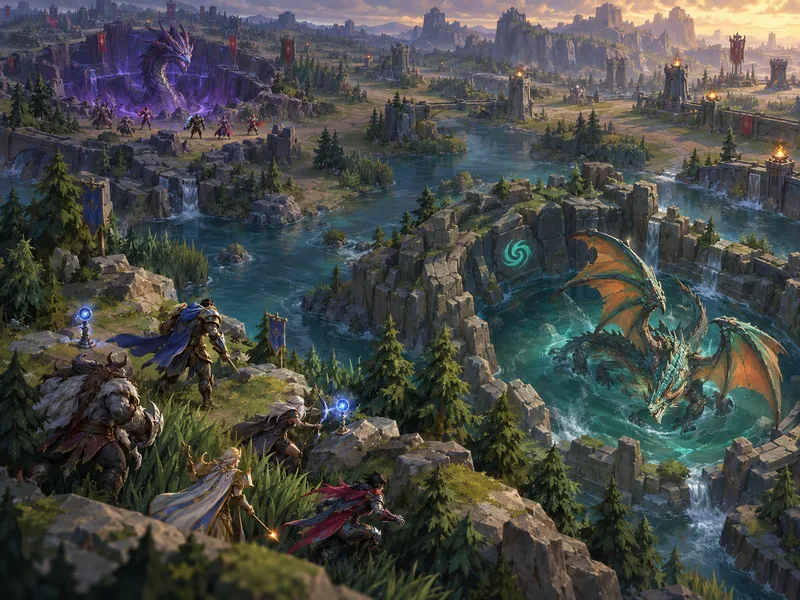
No. Four Elemental Drake kills award Soul; the element is tied to the elemental Rift, not to collecting four identical drakes.
Yes. Riot’s published description says Dragon Soul lasts for the remainder of the match and persists through death.
No. It is a major advantage, not a guaranteed result. Teams can still lose fights through poor positioning, missed cooldowns, or a bad objective setup. Avoid unsupported win-rate claims; the useful takeaway is that Soul improves your options and raises the cost of giving up the next fight.
Dragon Soul in League of Legends feels so strong because it rewards objective control with a team-wide buff that lasts through the rest of the match. Its permanence makes it different from Baron and Elder, while the elemental effect shapes how a team can approach later fights. Track soul point early, prepare vision and waves, and contest only when your team can turn the reward into map control.
For the original system rules, read Riot’s Rise of the Elements overview. For examples of later tuning, see Riot’s 2025.S1.3 patch notes and the live Patch 26.20 notes.
Enable PUBG’s network statistics HUD to monitor ping and packet loss in a match. See where to find it, what the numbers mean, and what they cannot diagnose.
Learn how to import VALORANT crosshair codes, compare presets with manual settings and spectator copy, and fix common import issues.
Choose Dota 2 minimap size, hero icons, team colors, and background settings by readability, fewer misclicks, and clear results on your own display.
Fix Fortnite texture pop-in on PC with official steps for GPU drivers, file verification, DirectX 12, high-resolution textures, VRAM, SSDs, and stutter.
Learn what Heroes of the Storm minimap size and position options are verified, improve readability, and choose camera-click controls that suit you.
Set Super Smash Bros. Ultimate Quickplay to prefer hazards-off stages. Follow the Preferred Rules menu steps and learn why matchmaking may not always honor them.
Enable Server Latency and Packet Loss in Warzone to monitor connection quality, read the overlay, and use recurring spikes to guide troubleshooting.
Learn how to carry from mid lane in League of Legends by setting up waves, choosing safe roam windows, reading side lanes, and converting pressure into objectives.
Fix Minecraft Evoker spell problems with a safe vanilla test, version checks, log review, and a step-by-step way to isolate mod or datapack conflicts.
Fix PUBG stuck on Initializing on Steam with a focused checklist for PC service notices, launch options, game files, downloads, and connection issues.








