Home
» 🎮 Esports
»
Master the Insec Kick with Lee Sin: Ward-Hop Steps and Practice Drills
Master the Insec Kick with Lee Sin: Ward-Hop Steps and Practice Drills
How to Perform the Lee Sin Insec Kick
To land the Lee Sin Insec Kick, get Lee Sin to the far side of an enemy champion, then use Dragon’s Rage (R) to knock that target back toward your team. The standard setup is a ward hop: hit Sonic Wave (Q1) if you need an approach, place an allied ward beyond the target, dash to it with Safeguard (W), and kick. The enemy is knocked away from Lee Sin, so your position sets the direction; the cursor does not steer the kick.
The move is most useful when your teammates can follow up and you have a safe route into position. This guide covers the basic ward-hop sequence, a Flash variation, and focused drills for practicing the angle without wasting fights.
Look for a target your team can reach, with enough room to get around the far side.
What makes an Insec work?
Lee Sin’s Q is a two-part engage. Sonic Wave damages the first enemy it hits and lets Lee cast Resonating Strike (Q2) to dash to that marked target. Q2 damage scales with the target’s missing health, so it is an execute-style follow-up, not a slow. His W, Safeguard, lets him dash to a ward or another valid allied unit. His ultimate, Dragon’s Rage, kicks a targeted enemy away from Lee Sin.
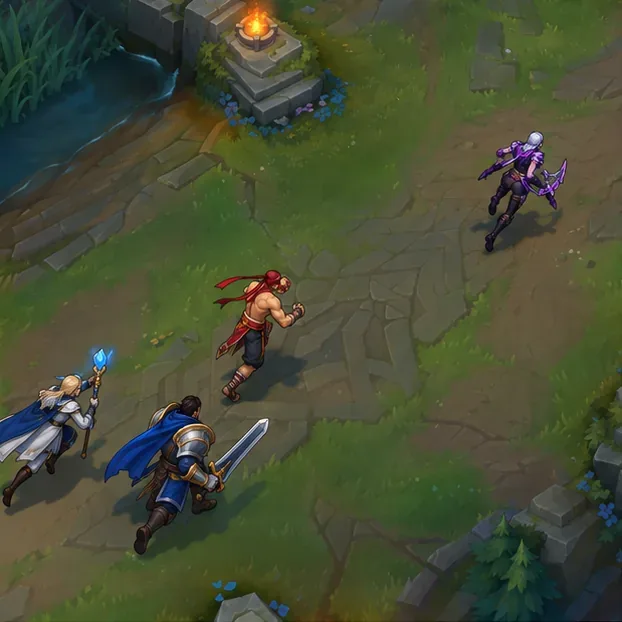
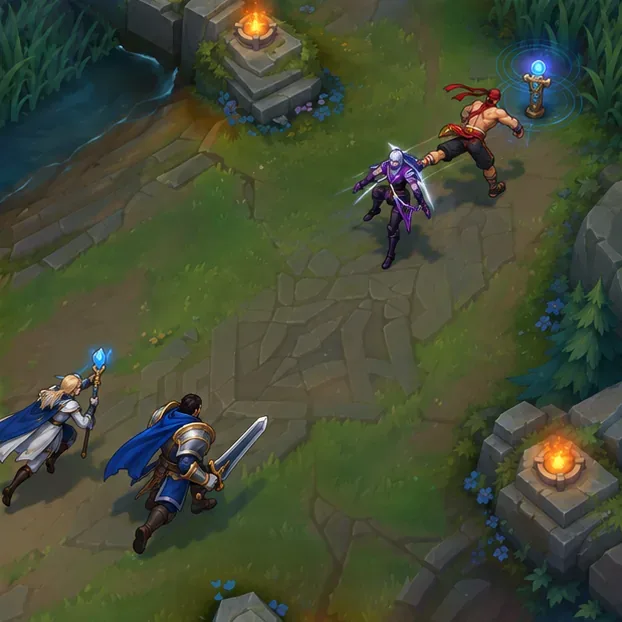
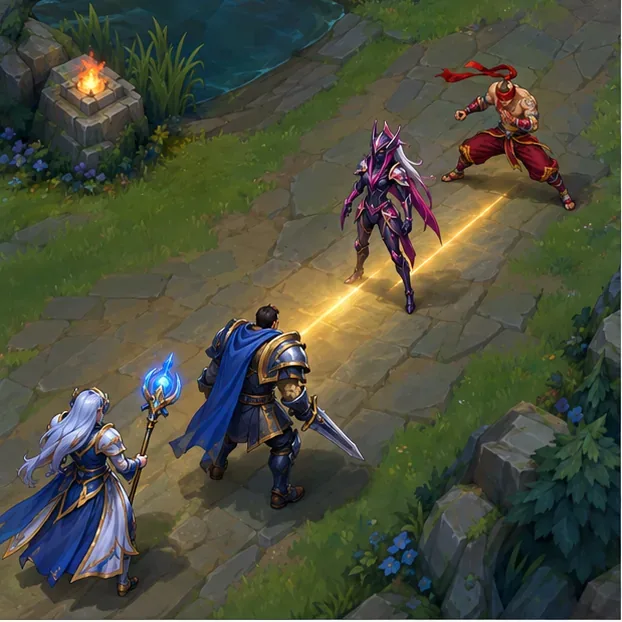
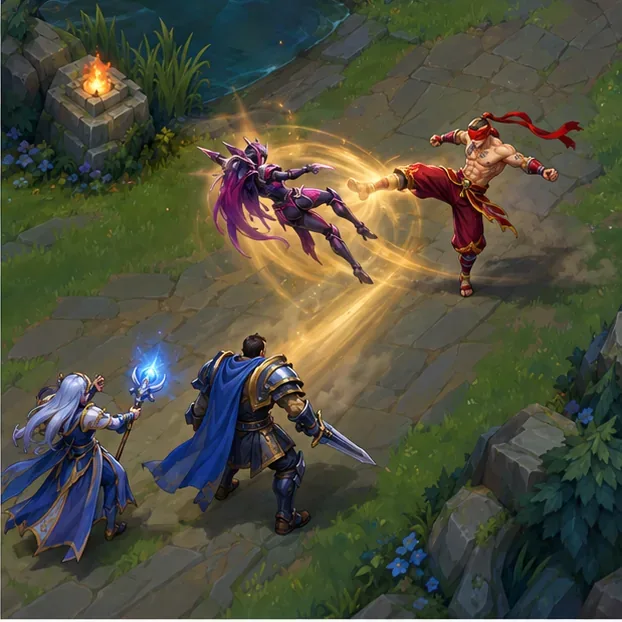
Think of the kick as a straight line from Lee Sin, through the target, and onward. If your allies are on the left side of the target, Lee needs to reach the right side before he casts R. The target then travels back toward the allies. Insec positioning is the key; fast inputs only help after the angle is correct.
Riot’s Lee Sin champion profile describes Q1 and Q2, and its Patch 26.10 notes document a shield when Safeguard jumps to a ward or minion. Check the latest notes for later balance updates; the current Patch 26.20 notes are available here.
Check the play before you go in
Confirm the destination: Are your teammates close enough to damage or control the target after the kick?
Check enemy responses: A stun, knockback, or dash can interrupt your approach or help the target escape.
Choose an exit: Know whether you can leave with W, Q, Flash, or help from a teammate after using R.
Pick the right target: Kicking a frontline tank away from your team can help the enemy. Look for a carry or a champion whose displacement creates an immediate advantage.
If one of those checks fails, hold the ultimate. Lee Sin can still use Q to threaten a pick or save W for repositioning; an Insec is not valuable just because it looks difficult.
Classic ward-hop Insec: six steps
Set the kick line. Identify where your team is and which side of the target you must reach. Your landing spot should be beyond the target, on the side opposite your allies.
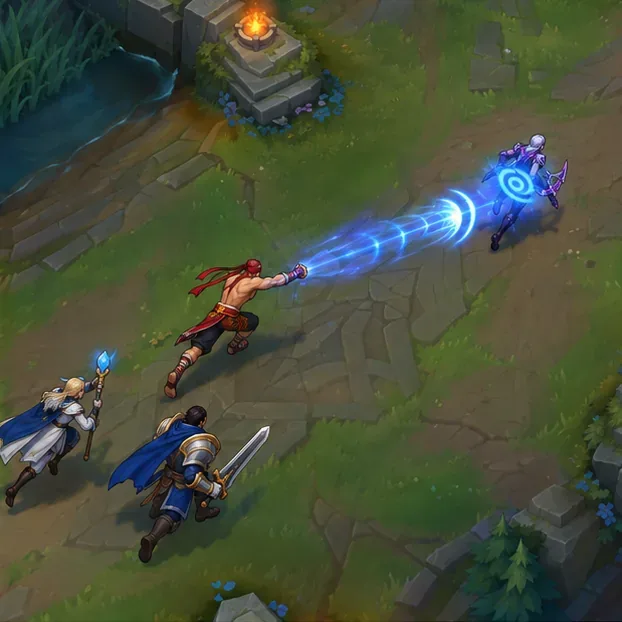
Land Q1 when it gives you a safe entry. Aim Sonic Wave at the target. It hits the first enemy in its path, so account for minions or other units that can intercept it. You do not have to use Q if you can approach safely on foot.
Decide whether to use Q2. Resonating Strike closes distance but brings Lee directly to the marked target. If that would leave him on the wrong side or inside enemy crowd control, wait and use a ward hop from a safer angle instead.
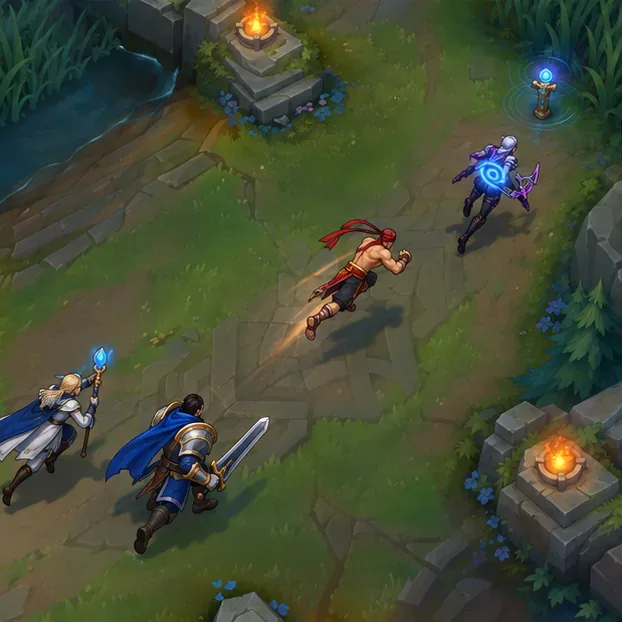
Place an allied ward past the target. Put it just beyond the enemy on the far side from your team, within W range. Use an available ward; the Control Ward is not a special requirement for the combo.
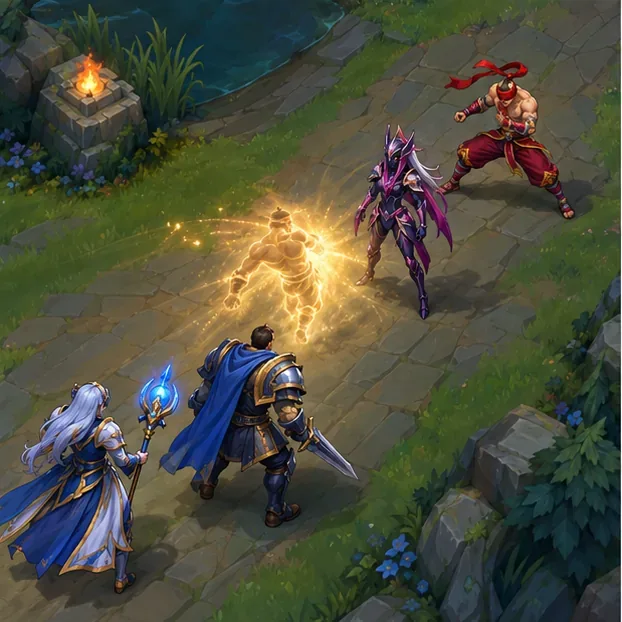
Cast W on the ward and check your landing. Safeguard dashes Lee to the ward. As he arrives, make sure the target is between Lee and the allied follow-up. If the ward lands short or on the wrong side, reset the setup rather than forcing R.
Cast R on the target. With Lee positioned beyond the enemy, cast Dragon’s Rage. The knockback sends the target away from Lee and toward your team. Keep the cursor on the target for R’s target selection, but do not expect cursor movement to change the kick direction.
Q1 can start the engage, but it is optional when you already have a safe route in.Place the ward beyond the target so the W dash carries Lee to the far side.Before pressing R, verify that Lee and the target are lined up between the enemy and your team.The intended knockback line runs from Lee, through the target, toward the waiting allies.Once the angle is right, R turns the setup into a pick your team can follow.
After the kick, use the abilities you still have and weave basic attacks when it is safe. Do not automatically chase with Q2: the target may already be moving into your team, and dashing after them can pull Lee away from the fight.
Ward hop or Flash: which entry should you use?
Approach
Best use
Main tradeoff
Ward-hop Insec
When you can place a ward beyond the target and want a controllable entry.
Needs a usable ward and enough time to reach the far side.
Flash Insec
When the target is close and Flash can put Lee directly on the far side.
Consumes Flash and leaves little room to correct a bad angle.
For the Flash Insec, move past the target before casting R, then confirm that your team is on the opposite side. Treat it as a spacing tool, not a shortcut that guarantees a successful kick. Practice the ward-hop version first so the direction check becomes automatic.
Use Flash to cross the target only when the new landing spot sends the kick toward your allies.
If another opponent lines up behind the primary target, the airborne target can also disrupt that champion on the way through. Take the extra collision when it happens, but do not sacrifice the main kick angle to chase a multi-target highlight.
Practice the Insec Kick in Practice Tool
Riot’s Patch 25.21 notes say solo Practice Tool unlocks all champions, so it is a practical place to repeat the movement without a live fight. The exact client options can change between updates; use the current Practice Tool lobby and a target dummy or another safe target.
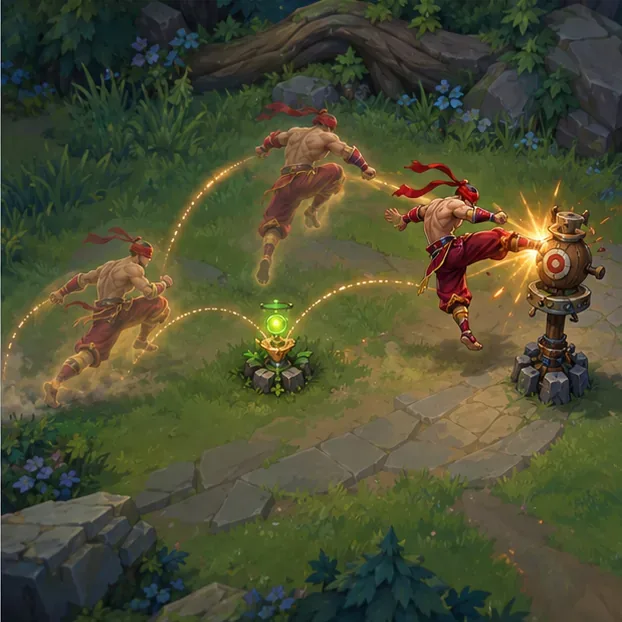
Practice the W dash alone. Place a ward, W to it, and repeat from both sides of the target area. Focus on landing beyond the target, not on speed.
Add the kick. Use a stationary target. Pause after the ward hop, confirm Lee’s position, and cast R only when the target will travel toward your chosen destination.
Vary your starting angle. Approach from the left and right, then from a diagonal. This teaches you to read the line rather than memorize one screen position.
Add Q1 and optional Q2. Test each entry separately. Note when Q2 helps you reach the play and when it strands you on the near side.
Review the miss by cause. Was Q blocked? Did the ward land short? Did Lee arrive in front of the target? Did the kick line miss your team? Fix one cause at a time.
Repeat the same setup from changing angles, then review what made each kick succeed or miss.
Common Insec mistakes and quick fixes
Placing the ward on the team side: It leaves Lee in front of the target. Move the ward to the far side.
Assuming the cursor aims R: R knocks the target away from Lee. Correct Lee’s position before the cast.
Using Q2 every time Q1 lands: Q2 may place you badly or expose you to crowd control. Use it only when that dash improves the entry.
Kicking without follow-up: A good displacement still fails if your team is too far away. Check range and cooldowns first.
Rushing the inputs: A clean angle is more important than a fast combo. Slow down until the ward hop and kick direction are consistent.
Frequently asked questions
Does the cursor decide which way Lee Sin kicks?
No. The target is selected with R, but the knockback travels away from Lee Sin. Move to the far side of the target to send them toward your team.
Do I need to hit Q before an Insec?
No. Q can help Lee reach a target, but it is optional. A ward hop, Flash, or safe approach can create the position you need.
Which version should I learn first?
Start with the ward-hop Insec because it lets you practice the landing angle without spending Flash. Add the Flash variation after you can identify the correct side of the target reliably.