League of Legends Worlds 2026: Team Secret Whales vs. LYON Preview
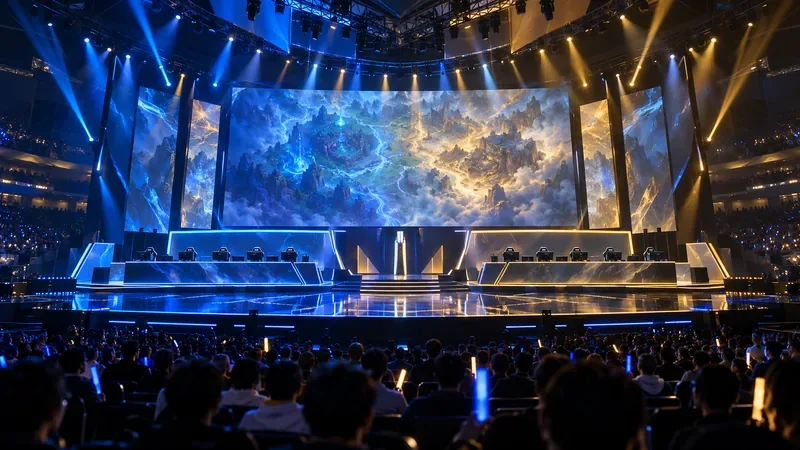
Team Secret Whales face LYON in a Worlds 2026 Swiss Stage BO1. See the 7:00 p.m. CDT Oct. 23 start in Allen, equal to 00:00 UTC Oct. 24.
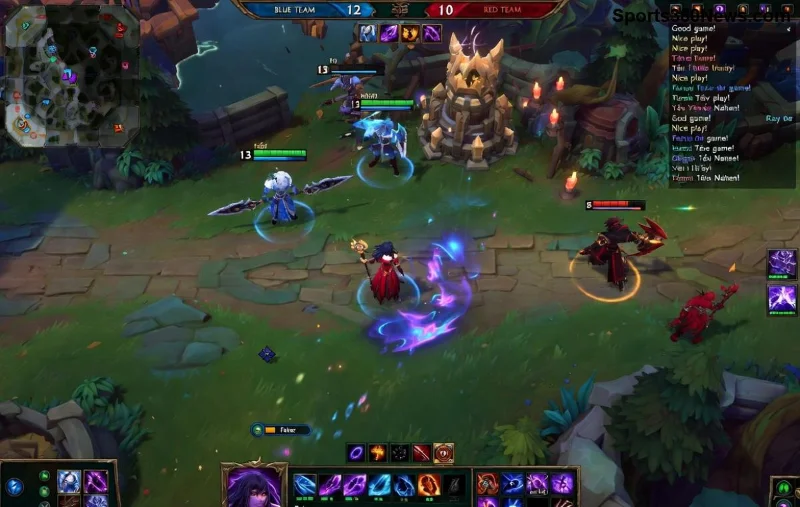
Ever queued up for "one more game" in League of Legends (LoL) only to blink and realize it's 3 AM? You're not alone. With millions of players worldwide logging billions of hours, LoL's grip is legendary. But what makes it so addictive? It's not magic—it's neuroscience, psychology, and masterful game design. Dive in as we break down the science behind League of Legends addiction, revealing hooks that keep Summoner's Rift calling your name. Stick around for tips to game smarter. 🚀
At LoL's core is dopamine—your brain's "feel-good" chemical. Every pentakill, objective steal, or climbing a rank floods your system with it, creating euphoria. Neuroscientists call this a reward loop.
Studies from gaming psychology experts show MOBAs like LoL spike dopamine 200-300% higher than casual games. Why? Variable rewards: Wins aren't guaranteed. That unpredictable thrill? It's like a slot machine, per B.F. Skinner's operant conditioning. Your brain craves the next hit, queuing endlessly.
| Game Event | Dopamine Trigger | Why It Hooks You |
|---|---|---|
| First Blood | Instant win | Quick high, builds momentum |
| Rank Up | Progress milestone | Long-term chase |
| Skin Unlock | Visual reward | Status symbol flex |
Pro tip: Track your highs—journal wins to savor them without endless grinds. Ready for more hooks? Keep reading. ⭐
LoL masters intermittent reinforcement, proven by psychologist B.F. Skinner to be the stickiest addiction mechanism. Matches vary wildly—one game you're carried to victory, the next you're stomped. This randomness keeps you hooked, chasing that "perfect" lobby.
Recent data from player analytics shows LoL's win rates hover at 49-51%, fueling the illusion of "just one more." It's why 80% of players report "rage-quit regret," only to relaunch. Your brain's nucleus accumbens lights up, demanding retries. Compare to predictable games? Snooze-fest.
Feeling that pull? It's designed that way. Next: how friends amplify it. 👥
LoL thrives on social psychology. Duo queues with friends? Tribal bonding releases oxytocin alongside dopamine. Solo? Climb leaderboards for status—Maslow's hierarchy in pixels.
Fear Of Missing Out (FOMO) hits hard during events like Worlds. Live viewer peaks rival Super Bowls, per esports reports. Toxicity? Even flames create emotional investment, per cognitive dissonance theory—you stay to "prove them wrong."
Voice chat and pings build camaraderie. A Psychology Today analysis notes MOBAs excel here, with 70% retention from social features.
"LoL isn't just a game; it's your squad's battlefield." – Anonymous Diamond player
Intrigued by mastery? The flow state awaits below. 😎
Mihaly Csikszentmihalyi's flow state—total immersion—defines LoL pros. Perfect challenge-skill balance: Newbies farm minions, vets outplay globally. Leveling champions (170+ options) creates sunk cost fallacy; you've invested hours, why stop?
Patch notes tweak balance constantly, resetting mastery curves. Blue Essence and loot systems? Behavioral economics at play, per Daniel Kahneman—small investments yield big perceived wins.
Science backs it: Flow boosts happiness 5x over passive media. But balance is key—spoiler: tips ahead!
LoL deploys sunk cost fallacy: 100+ games on a champ? You'll main it forever. Near-misses—like 0.1% LP from promo—mimic casino "almost wins," tripling playtime per studies.
Daily quests and missions? Habit loops from Charles Duhigg's The Power of Habit. Visual flair (skins, emotes) taps vanity—95% of revenue from cosmetics, fueling the cycle.
Table of top traps:
| Trap | Science | LoL Example |
|---|---|---|
| Sunk Cost | Cognitive bias | Mastery points |
| Near-Miss | Gambling psych | Promo failures |
| Habit Loop | Cue-Reward | Login rewards |
LoL's hooks are genius, but you're in control. Science-approved tips:
League of Legends addiction? It's engineered brilliance. Understand the science, and you'll conquer the Rift—on your terms. What's your biggest hook? Drop in comments! 👇 Clap if this clicked. 👏
Team Secret Whales face LYON in a Worlds 2026 Swiss Stage BO1. See the 7:00 p.m. CDT Oct. 23 start in Allen, equal to 00:00 UTC Oct. 24.
LOS and T1 meet in Worlds 2026 Swiss Round 1 on October 23. See the 23:00 UTC start, Allen local time, best-of-one format, lineup status, and official result page.
Get the Team Liquid Alienware vs. CTBC Flying Oyster Worlds 2026 Round 1 time, BO1 format, roster status, Allen venue, and score update.
G2 Esports and Dplus KIA meet in a Worlds 2026 Swiss best-of-one. See the confirmed Allen start time, round-one stakes, roster status, and where to check the result.
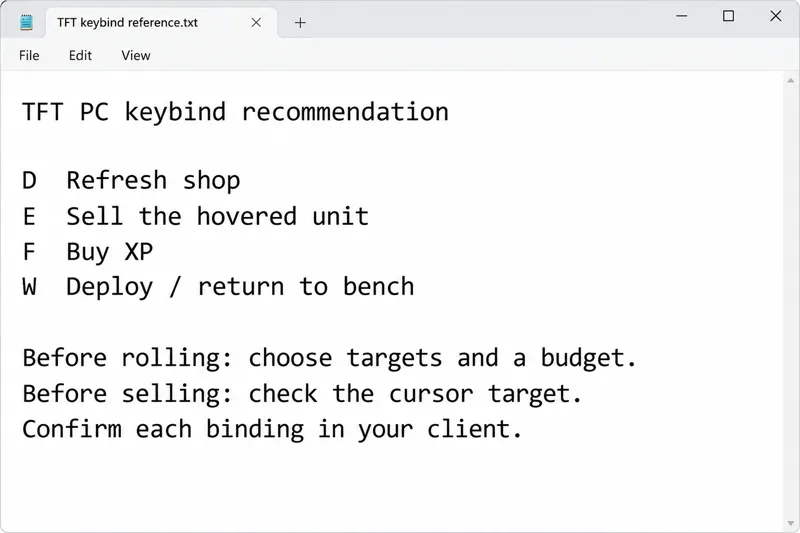
Use D and E for faster TFT rolling and selling, keep XP and unit movement distinct, and learn when remapping helps prevent costly input mistakes.
Blizzard removed Overwatch 2’s High Precision Mouse Input toggle in its September 8, 2026 patch. Learn what changed, how to verify your current build, and what to check if aim feels different.
Preview the Worlds 2026 Swiss Round 1 BO1 between Anyone’s Legend and Karmine Corp, with the confirmed start time, stakes, and score status.
Get the League of Legends Worlds 2026 Swiss Round 1 schedule for Bilibili Gaming vs. Movistar KOI, with the Allen start time, BO1 format, stakes, and lineup status.
Turn off Overwatch 2’s Dolby Atmos headphone mode, understand the System Default option, and check Windows spatial audio when the sound still seems processed.
Hanwha Life Esports face TOP Esports in a Worlds 2026 Swiss Round 1 best-of-one in Allen, Texas. Check the scheduled start, format, lineup status, and score.