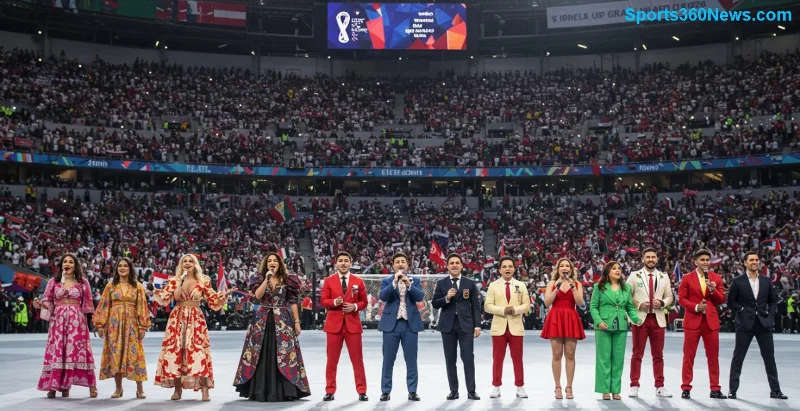
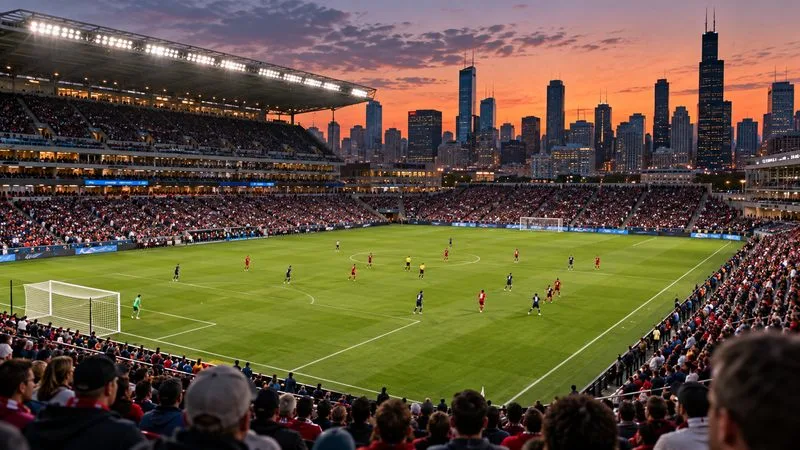
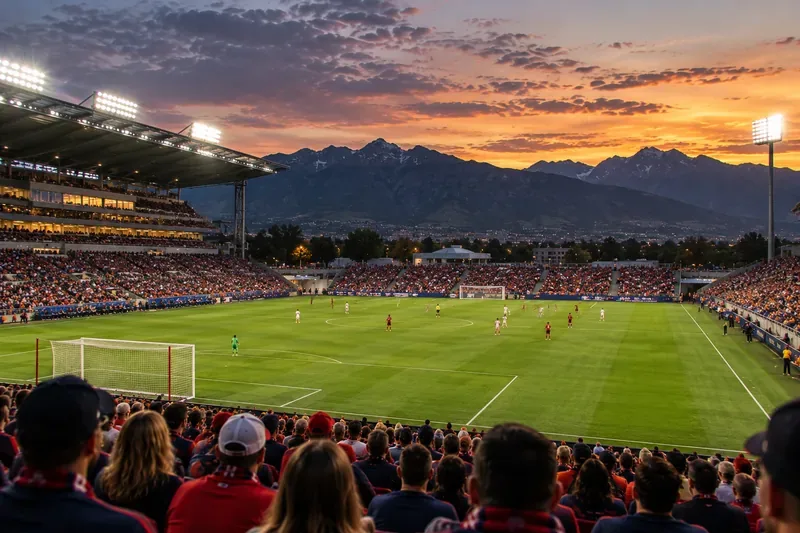
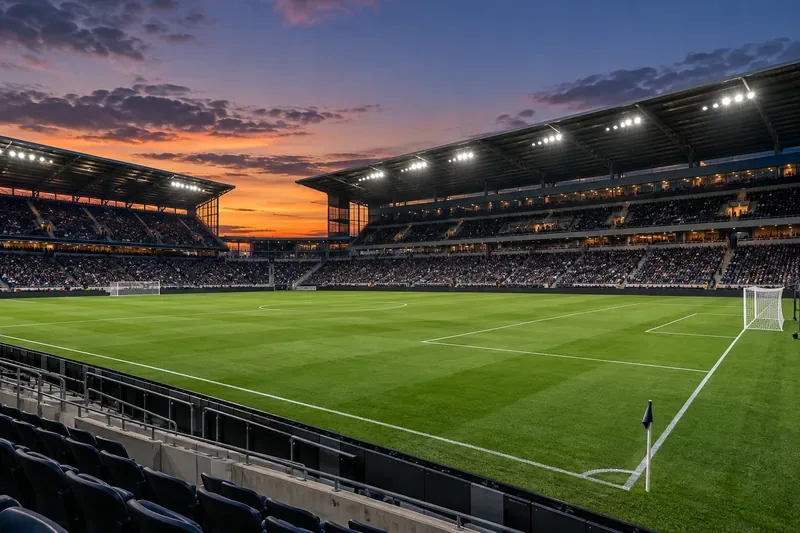
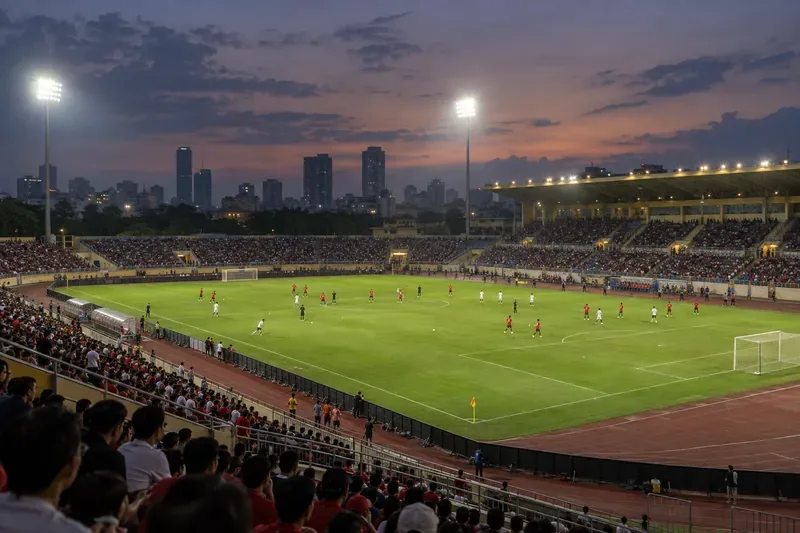
The FIFA World Cup 2026 is set to be an unprecedented spectacle, hosted across three vibrant North American nations: the United States, Canada, and Mexico. For football fans worldwide, this presents an incredible opportunity to witness history. But with three distinct countries on the table, a crucial question arises: where will it be most affordable to experience the magic?
This guide dives deep into a comprehensive cost comparison, breaking down potential expenses across all three host nations. Our goal is to equip you with the insights needed to plan your World Cup journey wisely, ensuring your passion for the game doesn't break the bank.
The North American Triple Threat: FIFA World Cup 2026 Host Cities
The 2026 tournament will feature more matches and teams than ever before, spread across 16 dynamic host cities. Understanding where matches will be played is key to planning your travel logistics and budget.
- United States 🇺🇸 (11 Cities): Atlanta, Boston, Dallas, Houston, Kansas City, Los Angeles, Miami, New York/New Jersey, Philadelphia, San Francisco Bay Area, Seattle.
- Canada 🇨🇦 (2 Cities): Toronto, Vancouver.
- Mexico 🇲🇽 (3 Cities): Guadalajara, Mexico City, Monterrey.
Each city offers a unique flavor and, crucially, a different price point for travelers. Let's break down the major cost categories you'll need to consider.
Understanding Your World Cup Budget: Key Cost Factors
To accurately compare expenses, we'll look at the core components of any major international trip. Remember, these are estimates, and actual costs can vary significantly based on booking time, specific choices, and unforeseen circumstances.
- Match Tickets 🎟️: While FIFA sets base prices, demand and secondary markets will heavily influence actual costs. Expect premium prices for knockout stages and final matches.
- Flights ✈️: International airfare to North America can be a significant expense. Domestic flights within host countries (especially the U.S. and Mexico) might also be necessary if you plan to follow your team.
- Accommodation 🏨: Hotels, Airbnb, hostels – prices will surge during the World Cup. Location within a host city also plays a huge role.
- Local Transportation 🚗: Getting around the host cities (public transport, ride-shares, taxis, car rentals).
- Food & Drink 🍔🥤: Dining out, groceries, snacks. Prices vary wildly from street food to fine dining.
- Visa/Entry Requirements 🛂: While often a minor cost, some nationalities require visas or Electronic Travel Authorizations (eTAs/ESTAs).
- Activities & Tourism 🎭: Sightseeing, entertainment, merchandise – optional but often part of the experience.
Cost Comparison Breakdown: USA, Canada, & Mexico
Now, let's dive into the specifics for each country, considering their general cost of living and typical tourist expenses. Our estimates are based on general travel trends and are subject to change.
1. The United States 🇺🇸: A Grand but Potentially Pricey Affair
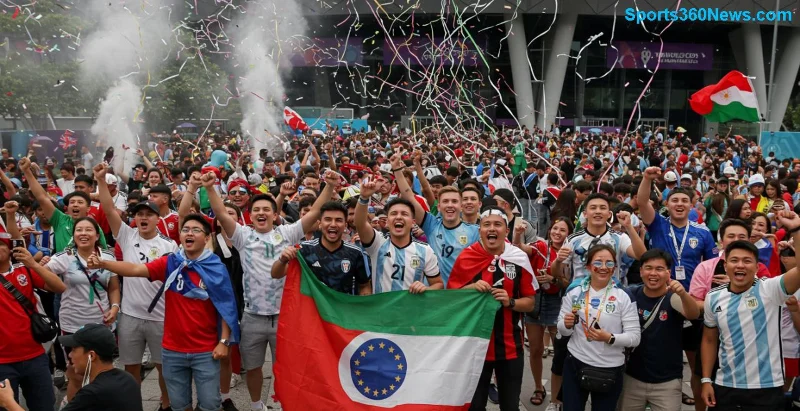
The United States boasts the majority of host cities, offering a wide array of choices from sprawling metropolises to vibrant cultural hubs. However, it's generally considered the most expensive of the three hosts.
- Flights: International flights to major U.S. hubs like New York (JFK/EWR), Los Angeles (LAX), or Miami (MIA) are often highly competitive but can be expensive from certain regions. Domestic flights between host cities can add up, though budget airlines exist.
- Accommodation: This will likely be your biggest expense. Major cities like New York, Los Angeles, and Miami have some of the highest hotel rates in the world. Even more affordable cities like Kansas City or Atlanta will see significant price hikes during the tournament. Expect to pay anywhere from $200 - $600+ per night for a standard hotel during peak times.
- Food & Drink: Dining out, especially in major cities, can be costly. A casual meal might be $15-$30, while a sit-down dinner can easily exceed $50 per person. Groceries are more affordable if you opt for self-catering.
- Local Transportation: Public transport systems vary greatly in efficiency and cost. Cities like New York, Boston, and San Francisco have extensive (though not always cheap) public transit. Others are more car-dependent, meaning ride-shares or rentals can add up.
- Overall Verdict: Expect a higher budget if you choose the U.S. particularly if you target popular coastal cities. Planning far in advance and looking at less central accommodation options are crucial.
2. Canada 🇨🇦: The Great White North's Welcoming Costs
![Vancouver skyline with mountains]()
With only two host cities, Canada offers a more concentrated experience in Toronto and Vancouver, both world-class cities. Generally, Canada falls in the mid-range for costs compared to its North American counterparts.
- Flights: International flights to Toronto (YYZ) or Vancouver (YVR) can be comparable to, or slightly less than, major U.S. cities depending on your origin. As there are only two host cities, domestic travel between matches isn't as much of a concern.
- Accommodation: Toronto and Vancouver are known for being expensive cities, and World Cup prices will reflect this. Hotel rates will be significant, likely in the range of $180 - $450+ per night. Booking hostels or Airbnbs well in advance might offer some savings.
- Food & Drink: Similar to the U.S., dining out can be pricy, especially in tourist areas. A casual meal could cost CAD $15-$25, while a decent restaurant meal might be CAD $40-60+. Groceries are generally a good option for saving money.
- Local Transportation: Both Toronto and Vancouver have excellent public transit systems (TTC in Toronto, TransLink in Vancouver) which are efficient and relatively affordable.
- Overall Verdict: Canada presents a moderately expensive option. Its advantage lies in having fewer host cities, potentially simplifying travel logistics if you plan to stay in one location.
3. Mexico 🇲🇽: Viva Fútbol and Value!
![Azteca Stadium in Mexico City]()
Mexico, home to three iconic host cities including the legendary Estadio Azteca, is widely anticipated to be the most budget-friendly destination for the 2026 World Cup.
- Flights: International flights to Mexico City (MEX), Guadalajara (GDL), or Monterrey (MTY) can be significantly more affordable than flights to the U.S. or Canada, depending on your departure point. Domestic flights within Mexico are also typically quite cheap.
- Accommodation: While prices will certainly increase during the World Cup, Mexico offers a much wider range of budget-friendly accommodation options. You might find comfortable hotels or Airbnbs for $80 - $250+ per night, especially outside of the most central tourist areas.
- Food & Drink: This is where Mexico truly shines for budget travelers! Delicious and authentic street food can be incredibly cheap ($3-$10 per meal). Even mid-range restaurants are very affordable compared to the U.S. or Canada.
- Local Transportation: Public transport in Mexico City (the Metro) is extensive and incredibly cheap. Taxis and ride-share apps are also much more affordable than in the U.S. or Canada.
- Overall Verdict: Mexico offers the best value for money. For fans looking to extend their stay, explore local culture, and enjoy the tournament without excessive spending, Mexico is likely your top choice.
Cost at a Glance: USA vs. Canada vs. Mexico (Estimated Daily Costs)
Here’s a simplified comparison of estimated daily expenses (excluding match tickets) to help you visualize the differences. These are rough averages for a mid-range traveler during the World Cup period.
| Category |
USA (Average) |
Canada (Average) |
Mexico (Average) |
| Accommodation (per night) |
$200 - $600+ |
$180 - $450+ |
$80 - $250+ |
| Food & Drink (per day) |
$60 - $120+ |
$50 - $100+ |
$30 - $70+ |
| Local Transportation (per day) |
$20 - $50+ |
$15 - $40+ |
$5 - $25+ |
| Estimated Daily Total (excl. flights/tickets) |
$280 - $770+ |
$245 - $590+ |
$115 - $345+ |
*These are rough estimates and can fluctuate greatly based on your personal choices, timing of booking, and specific host city.
Smart Saving Strategies for Your World Cup Journey 💰
No matter which country you choose, implementing smart strategies can help you save a significant amount of money:
- ✅ Book Early, Early, Early! Accommodation and flights will only get more expensive closer to the tournament. As soon as match schedules and city assignments are firm, book your essentials.
- ✅ Consider Package Deals: Some travel agencies might offer World Cup packages that bundle flights, hotels, and even tickets, potentially saving you money.
- ✅ Explore Non-Central Accommodation: Staying slightly outside the immediate stadium vicinity or main tourist areas can dramatically cut down hotel costs. Utilize public transport to get to matches.
- ✅ Embrace Public Transportation: This is almost always cheaper than taxis or ride-shares, especially in cities with good metro/bus systems.
- ✅ Cook Your Own Meals: If your accommodation has kitchen facilities, buying groceries and preparing some of your meals can lead to substantial savings on food and drink.
- ✅ Travel with a Group: Splitting accommodation costs with friends can significantly reduce per-person expenses.
- ✅ Set a Daily Budget: Track your spending to ensure you don't overspend on impulse purchases.
The Final Whistle: Choosing Your World Cup 2026 Destination
The FIFA World Cup 2026 promises an unforgettable experience, but your choice of host country will heavily impact your overall budget.
- 🌟 If affordability is your top priority, and you're keen to immerse yourself in a vibrant football culture with delicious and inexpensive food, Mexico 🇲🇽 is likely your winning ticket.
- 🌟 If you seek a balance of modern city experiences and reasonable costs, with excellent public transit and beautiful surroundings, Canada 🇨🇦 offers a compelling mid-range option.
- 🌟 If budget is less of a concern, and you prioritize exploring a wider array of major cities with extensive entertainment options, the United States 🇺🇸 will deliver a grand, albeit pricier, experience.
Regardless of your choice, early planning and strategic budgeting are your best allies in making your World Cup 2026 dream a reality. Start planning now, and get ready for the greatest show on Earth!