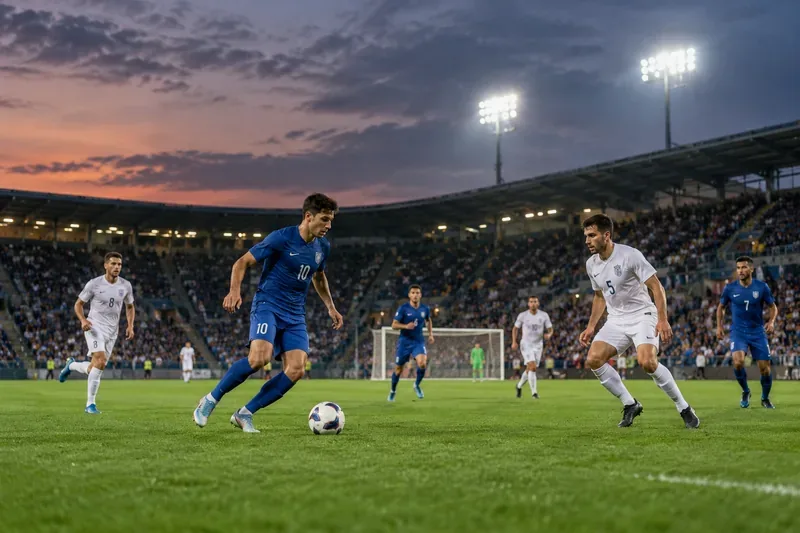
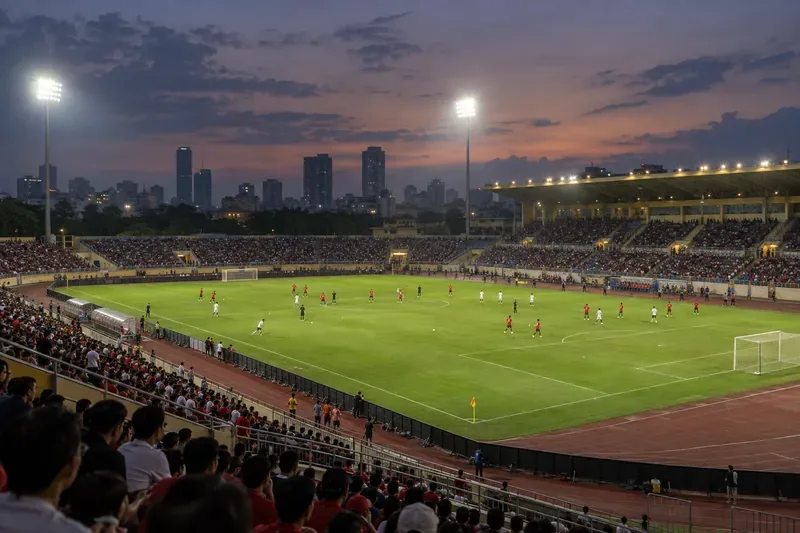
The football world is buzzing with anticipation for the FIFA World Cup 2026, a tournament set to redefine the global spectacle of soccer. For the first time in its illustrious history, the competition will feature an unprecedented 48 teams, expanding the field and opening doors to nations previously on the fringes of qualification. This expansion promises more diversity, more drama, and an exciting new dynamic for the group stage. But what does this mean for the chances of the various contenders?
The Expanded Format: A New Dawn for Global Football
The World Cup 2026, co-hosted by the USA, Canada, and Mexico, marks a significant shift from the traditional 32-team format. The new structure will see 48 teams divided into 12 groups of four. From these groups, the top two teams from each group will advance, alongside the eight best third-placed teams, leading to a massive Round of 32. This format guarantees more matches (104, up from 64) and significantly increases the number of participants.
This expansion isn't merely about quantity; it's about opportunity. Nations that have consistently fallen short in arduous qualification campaigns now have a more realistic pathway to the biggest stage in sports. The hosts – USA, Canada, and Mexico – automatically qualify, adding to the total.
Unpacking the Opportunities: Who Benefits Most?
The allocation of spots has been significantly revamped, ensuring broader global representation. Here's a quick look at how the increased slots have been distributed across confederations:
| Confederation |
Guaranteed Slots (2026) |
Previous Slots (2022) |
Change |
| AFC (Asia) |
8 |
4.5 |
+3.5 |
| CAF (Africa) |
9 |
5 |
+4 |
| CONCACAF (N. & C. America) |
6 (including 3 hosts) |
3.5 |
+2.5 |
| CONMEBOL (S. America) |
6 |
4.5 |
+1.5 |
| OFC (Oceania) |
1 |
0.5 |
+0.5 |
| UEFA (Europe) |
16 |
13 |
+3 |
| Play-off Tournament |
2 |
2 |
0 |
The most substantial gains are seen in CAF (Africa) and AFC (Asia), which now boast guaranteed spots that nearly double their previous allocations. This fundamentally shifts the landscape of global football, giving more developing footballing nations a chance to shine.
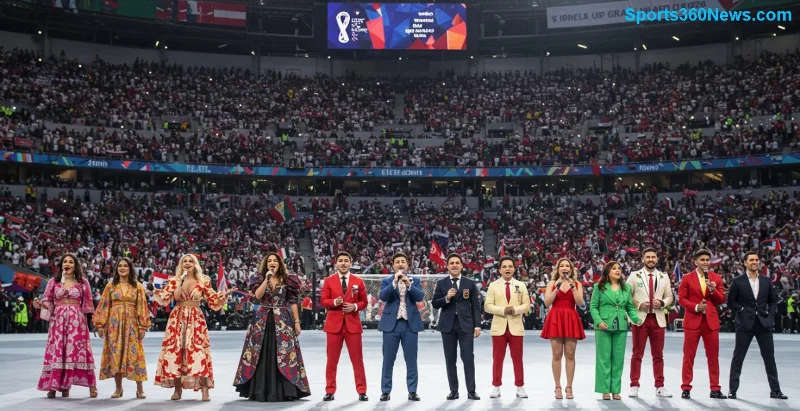
The Group Stage Dynamics: More Teams, More Drama
With 12 groups, the initial phase of the World Cup 2026 promises even more intrigue. While the traditional powerhouses like Brazil, Argentina, France, and Germany will still be the teams to beat, the increased number of groups means a broader distribution of talent and potentially more unpredictable results. The inclusion of eight best third-placed teams adds another layer of tactical consideration, as goal difference and fair play points could become crucial tie-breakers.
This format is designed to keep more teams in contention for longer, fostering an environment where every match in the group stage could have significant implications. Expect a heightened sense of urgency and excitement from the very first whistle.
Analyzing Chances: A Broad Look at the Contenders
While specific group draws are years away, we can broadly categorize the chances of nations based on the new format:
1. The Elite Tier: Still the Favorites ⭐
Nations like Brazil, Argentina, France, England, and Spain will remain top contenders. The expanded format might make their path through the initial group stage slightly less perilous, but the quality of competition in the knockout rounds will be as fierce as ever. Their deep squads and established footballing cultures make them perpetual threats.
2. Strong Challengers & Consistent Qualifiers
Teams such as Portugal, the Netherlands, Belgium, Uruguay, Croatia, and possibly a resurgent Italy (should they qualify consistently) will also be eyeing deep runs. For CONCACAF hosts USA, Mexico, and Canada, the home advantage cannot be overstated. This tier will find more breathing room in qualification and a stronger platform to build momentum.
![World Cup 2026 Teams]()
3. Rising Nations & Dark Horses: The Beneficiaries 🚀
This is where the 48-team World Cup truly shines. African giants like Senegal, Morocco, Nigeria, and Ghana, along with Asian powerhouses such as Japan, South Korea, Saudi Arabia, and Australia, will have even stronger representation. We could see nations like Uzbekistan, Qatar, Mali, Burkina Faso, Panama, or Ecuador making more regular appearances, potentially springing surprises. The increased exposure and experience gained by these teams will be invaluable for their long-term football development.
4. The Newcomers: A Taste of the Big Stage
For some nations, the World Cup 2026 will be their debut or a rare return. While their chances of progressing deep might be slim, their participation alone is a massive achievement. This inclusivity embodies the spirit of a truly global tournament, offering new heroes and storylines to emerge.
Key Factors Shaping Success in 2026
The sheer scale of the World Cup 2026 means several factors will be paramount for success:
- Squad Depth: With more matches and travel across three host nations, a deep bench capable of rotation will be critical.
- Tactical Adaptability: Coaches will need to be flexible, navigating different opponents and potentially varying climates.
- Player Experience: The expanded format offers invaluable experience for younger players from developing nations, building towards future tournaments.
- Logistics: Managing travel and training across the vast distances of North America will be a significant challenge for all teams.
![World Cup 2026 Match]()
Looking Ahead: The Road to 2026
The qualification campaigns leading up to World Cup 2026 will be more exciting than ever, as many nations will feel a renewed sense of hope and ambition. The journey itself will be a testament to the growth of global football. As teams vie for a coveted spot among the 48 teams, we anticipate thrilling matches, breakout stars, and compelling narratives.
Conclusion
The World Cup 2026 is set to be a landmark event, not just for its expanded size but for the unprecedented opportunities it offers to 48 teams from every corner of the globe. The group stage will be a vibrant tapestry of diverse footballing styles, where traditional giants clash with rising forces and new contenders seek to make their mark. This expanded vision promises a truly global festival of football, cementing the sport's status as the world's most beloved game. Get ready for an unforgettable journey to 2026! 🏆