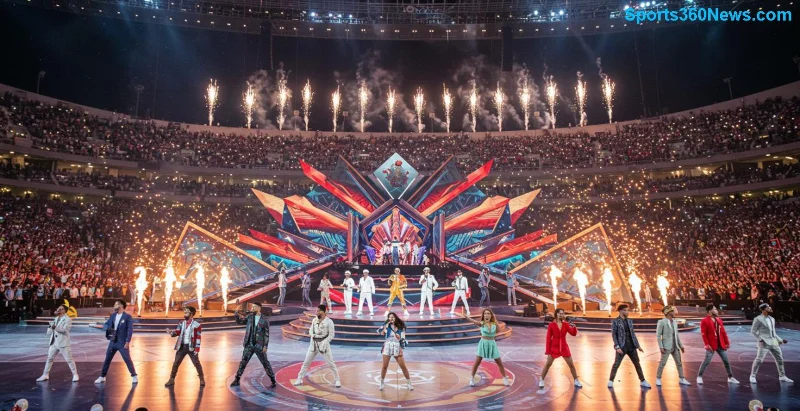
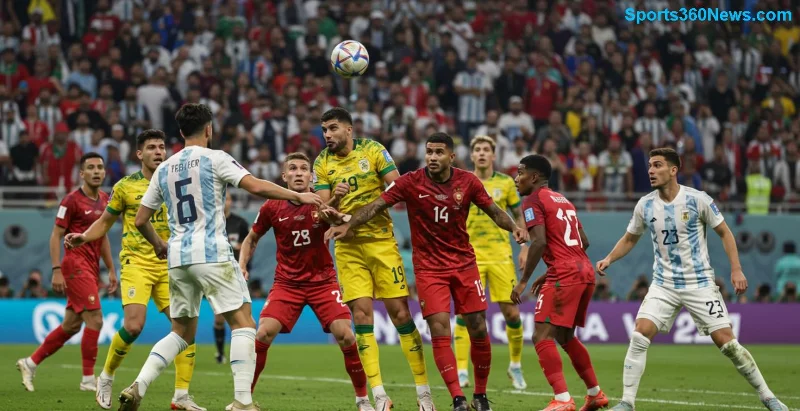
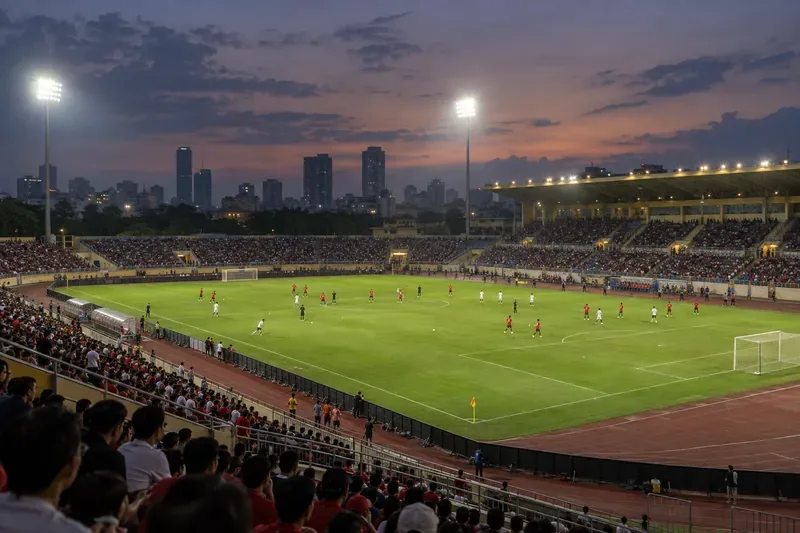
The highly anticipated FIFA World Cup 2026 is set to usher in a new era of global football. With an expanded format featuring 48 teams, the tournament promises more thrills, more upsets, and an unprecedented number of intense group stage matchups. As the world eagerly awaits the draw, speculation is rife about which footballing titans might clash early and which "Groups of Death" could emerge. This analysis delves into the potential scenarios, offering a glimpse into the excitement that awaits across the host nations: the USA, Canada, and Mexico.
The New Era: Understanding the 48-Team Format
For the first time in history, the World Cup will expand from 32 to 48 participating nations. This significant change will dramatically alter the group stage dynamics. Instead of eight groups of four, we will see twelve groups of four teams each. The top two teams from each group, along with the eight best third-placed teams, will advance to a newly introduced Round of 32. This format ensures more games (104 total), more opportunities for emerging football nations, and potentially more drama right from the outset.
The expanded format also means a greater representation from all confederations, promising a truly global spectacle. More teams mean more diverse playing styles and a wider range of talent on display, setting the stage for unpredictable and captivating encounters.
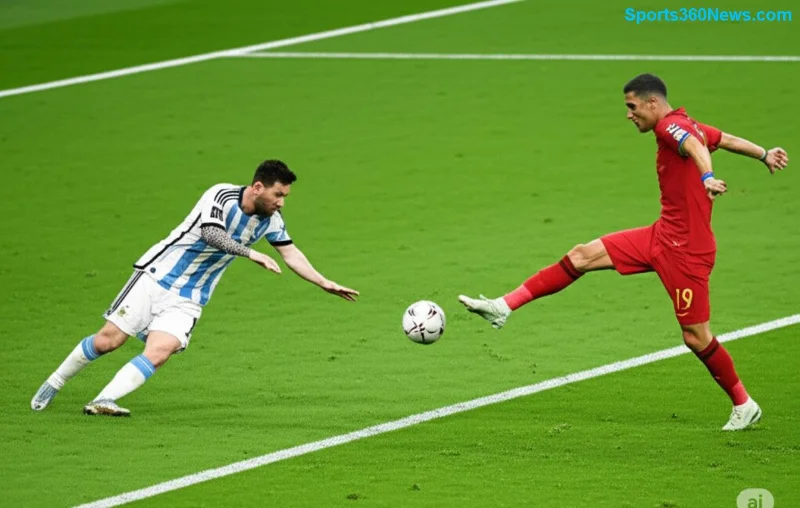
Seeding and the Road to the Draw
The World Cup draw is always a pivotal moment, determining the initial pathways for competing nations. For 2026, seeding will continue to be based on the FIFA Men's World Ranking. The top-ranked teams, including the three host nations (USA, Canada, Mexico), will likely be placed in Pot 1, ensuring they headline their respective groups. However, with more teams and groups, the possibilities for intriguing combinations multiply.
The traditional geographical separation rules will still apply, preventing teams from the same confederation (with exceptions for Europe due to the sheer number of teams) from being drawn into the same group. This rule is crucial in ensuring diverse matchups and avoiding early regional clashes, setting the stage for truly global showdowns.
Potential Blockbuster Group Stage Matchups 🤩
The beauty of the World Cup group stage lies in its potential for "Groups of Death" – pools where multiple top-tier teams find themselves battling for supremacy. With 48 teams, the chances of such groups forming are higher than ever. Imagine the following hypothetical scenarios that could ignite the tournament from day one:
Scenario 1: The European Gauntlet
A group featuring a European powerhouse from Pot 1, an incredibly strong European team from Pot 2, a resilient African or South American side from Pot 3, and a dark horse Asian or CONCACAF team from Pot 4. For instance:
| Pot |
Team (Hypothetical) |
Confederation |
| Pot 1 |
France 🇫🇷 |
UEFA |
| Pot 2 |
Germany 🇩🇪 |
UEFA |
| Pot 3 |
Nigeria 🇳🇬 |
CAF |
| Pot 4 |
Canada 🇨🇦 |
CONCACAF |
Such a group would offer relentless, high-stakes football where every point is hard-earned. The clash between two former champions like France and Germany, alongside the athleticism of Nigeria and the home advantage of Canada, would be unmissable.
![Football stadium full of fans]()
Scenario 2: South American Flair Meets European Grit
Another captivating possibility involves a clash between footballing philosophies. A group combining the technical brilliance of South America with the tactical discipline of Europe, spiced up with an unpredictable Asian or African contender:
| Pot |
Team (Hypothetical) |
Confederation |
| Pot 1 |
Brazil 🇧🇷 |
CONMEBOL |
| Pot 2 |
Netherlands 🇳🇱 |
UEFA |
| Pot 3 |
South Korea 🇰🇷 |
AFC |
| Pot 4 |
USA 🇺🇸 |
CONCACAF |
Imagine Brazil's samba football against the structured play of the Netherlands. Add the relentless energy of South Korea and the host nation USA's determination, and you have a recipe for compelling matches that could go down to the wire.
Scenario 3: The Dark Horse Ascendancy
With more spots available, many traditionally strong but often unlucky teams will have a chance to qualify and surprise. A group featuring established powers alongside rapidly improving nations could be explosive:
| Pot |
Team (Hypothetical) |
Confederation |
| Pot 1 |
Argentina 🇦🇷 |
CONMEBOL |
| Pot 2 |
Portugal 🇵🇹 |
UEFA |
| Pot 3 |
Senegal 🇸🇳 |
CAF |
| Pot 4 |
Japan 🇯🇵 |
AFC |
This group would showcase a blend of individual brilliance (Argentina, Portugal) with robust team play (Senegal, Japan). Every match would be a tactical battle, with potential for thrilling upsets that could shake up the tournament early on.
![Football goal celebration]()
Beyond the "Groups of Death": Other Intriguing Matchups
Beyond the top-tier clashes, the expanded format also opens doors for fascinating rivalries and first-time encounters. We could see:
- Inter-continental clashes: Teams that rarely face each other outside of friendlies, such as a strong Asian contender against a rising CONCACAF nation.
- Local Derbies (if permitted by draw rules): While highly unlikely for group stage due to continental separation, the possibility of North American neighbors clashing further down the line would be thrilling.
- Revenge matches: Teams looking to settle old scores from previous tournaments, adding an extra layer of narrative to the fixtures.
The increase in the number of matches, especially in the group stage, means there will be more opportunities for underdog stories and unexpected heroes to emerge. The fight for the top two spots, and critically, for those eight coveted third-place qualification spots, will ensure that every single game carries immense weight. Teams cannot afford to relax, making for a truly dynamic and competitive opening phase.
What to Watch For as the World Cup Nears
As the World Cup 2026 approaches, football fans should keep an eye on several key developments:
- Qualification Pathways: Follow the various confederation qualifiers to see which nations secure their spots and the form they are in.
- FIFA Rankings: Monitor the changes in FIFA rankings, as these will directly influence the seeding pots for the draw.
- Team Form and Injuries: Key players' form and fitness leading up to the tournament will be crucial indicators of a team's potential.
The group stage is not just about advancing; it's about building momentum, testing strategies, and making a statement. The potential for these early blockbuster matchups will define the tone and excitement of the entire tournament.
Conclusion: The Countdown to Unforgettable Football ⚽
The World Cup 2026 is poised to be an unforgettable chapter in football history. The expanded 48-team format guarantees more diverse and competitive group stage matchups, elevating the excitement from the very first whistle. While the official draw is still some time away, the anticipation for potential "Groups of Death" and thrilling encounters is already palpable. As fans, we look forward to witnessing the best teams on the planet battle it out, creating new rivalries and etching timeless moments into the annals of football history. Get ready for a tournament unlike any other!