The anticipation for the World Cup 2026 is building worldwide, and for fans of the Iran national team, one burning question stands out: Will they compete in the vibrant stadiums of the East Coast USA or the sun-soaked arenas of the West Coast? As the first expanded 48-team tournament hosted across North America, this edition promises unprecedented excitement. In this article, we'll dive into the latest FIFA announcements, venue details, and what it could mean for Iran's journey. Whether you're a die-hard supporter or a casual football fan, understanding these logistics can heighten your viewing experience. Let's explore step by step. 🌟
The Massive Scale of World Cup 2026: A North American Spectacle
World Cup 2026 marks a historic milestone as the tournament expands to 48 teams, up from 32, featuring 104 matches over 39 days from June 11 to July 19. Hosted jointly by the USA, Canada, and Mexico, it will utilize 16 stadiums across 11 cities—11 in the US, two in Mexico, and one in Canada. This setup ensures a geographically diverse schedule, minimizing travel fatigue for teams while maximizing fan accessibility.
For the Iran national team, qualified through AFC pathways and known for their resilient performances (think their 2018 and 2022 showings), the group stage is crucial. With 12 groups of four teams each, the top two from every group plus the eight best third-placed teams advance. But where will Iran's matches unfold? The answer hinges on FIFA's venue allocation strategy, which prioritizes balanced distribution and logistical efficiency.
Key fact: The draw for groups is scheduled for late 2025, meaning exact matchups and locations aren't finalized yet. However, FIFA has outlined preliminary venue assignments based on pot systems and regional equity. Iran's placement in Pot 3 (alongside other strong Asian and African sides) suggests their games could span multiple host cities to avoid clustering.
East Coast USA: A Hub of Historic and Modern Venues
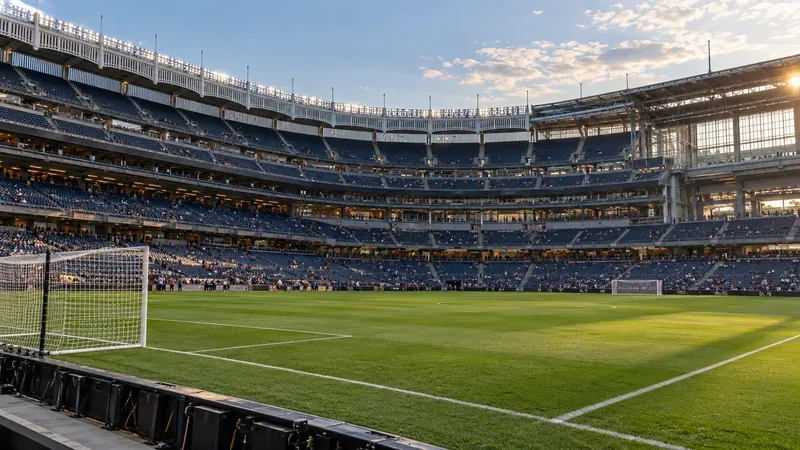
The East Coast USA boasts some of the tournament's most iconic and accessible stadiums, drawing massive crowds from Europe and the Middle East—perfect for Iranian diaspora communities in cities like New York and Washington D.C. Here's a breakdown of key East Coast venues:
| City/Stadium |
Capacity |
Potential for Iran Matches |
| New York New Jersey (MetLife Stadium) |
82,500 |
Opening match host; high-profile games likely for Pot 3 teams like Iran. |
| Philadelphia (Lincoln Financial Field) |
69,796 |
Group stage focus; easy access for East Coast fans. |
| Washington D.C. (Audi Field expansion) |
~45,000 |
Compact venue for intense group clashes; cultural ties to global audiences. |
| Boston (Gillette Stadium) |
65,878 |
Possible rotation spot; NFL roots add electric atmosphere. |
| Atlanta (Mercedes-Benz Stadium) |
71,000 |
Southern gateway; diverse fanbase could welcome Asian teams. |
| Miami (Hard Rock Stadium) |
65,326 |
Tropical vibe; international flavor suits teams like Iran. |
Why the East Coast? It's home to over 40% of the U.S. population, ensuring packed stands. For Iran, playing here could mean shorter flights from the Middle East and stronger support from the 1 million-plus Iranian-Americans concentrated in states like California (wait, that's West—but many are East too, via New York and D.C.). Recent FIFA updates emphasize East Coast venues for opening rounds to build momentum. If Iran draws a European powerhouse in their group, expect clashes in these buzzing metropolises. 👍
West Coast USA: Innovation Meets Scenic Beauty
Shifting gears to the West Coast, this region offers cutting-edge facilities and a laid-back yet passionate vibe, appealing to Pacific Rim fans. With Iran's strong soccer culture, West Coast games could attract supporters from Asia via direct flights to L.A. and Seattle. FIFA has allocated several group stage matches here to balance the load.
- Los Angeles (SoFi Stadium): Capacity 70,240. A tech-savvy arena hosting Super Bowls; ideal for high-energy Iran national team encounters.
- Seattle (Lumen Field): Capacity 68,740. Known for its rainy, roaring crowds—think Sounders MLS legacy boosting World Cup hype.
- San Francisco Bay Area (Levi's Stadium): Capacity 68,500. Modern design with views of the bay; sustainable features align with FIFA's green initiatives.
The West Coast's appeal lies in its innovation and diversity—home to the largest Iranian community in the U.S. (over 500,000 in California alone). Imagine World Cup 2026 fever in L.A., where Persian markets and soccer bars could turn into fan zones. However, longer travel times across the continent might factor into FIFA's decisions for Pot 3 teams like Iran, potentially reserving West Coast slots for later stages if they advance.
![Iran national team preparing for World Cup 2026]()
FIFA's Allocation Strategy: How Iran's Path is Decided
FIFA's venue strategy for World Cup 2026 is designed for fairness. Teams are divided into pots based on rankings: Pot 1 (hosts and top seeds) get prime slots, while Pot 3 (Iran's bracket) rotates across regions. Preliminary schedules indicate group stage matches spread over 12-16 days, with no team playing more than two games in one city to reduce jet lag.
For Iran, factors like opponent draw, travel equity, and broadcast appeal will decide East vs. West. As of the latest FIFA press release in July 2024 (via FIFA's official site), about 60% of group stage games are earmarked for U.S. venues, split roughly evenly between coasts. Iran's qualifiers—featuring stars like Sardar Azmoun—could see them in East Coast openers for global visibility or West Coast for community support.
Pro tip: Monitor the December 2025 draw in Miami. Until then, simulations from experts suggest a 50/50 split—East for tradition, West for innovation. This uncertainty adds thrill; will it be the skyscrapers of NYC or the beaches of L.A.? 😎
What It Means for Iranian Fans and the Team's Strategy
Venue choice impacts more than logistics—it's about atmosphere and support. On the East Coast, Iran's team could thrive in the high-pressure environments of MetLife or Lincoln Financial, drawing parallels to their gritty Asian Cup wins. West Coast? The diverse crowds in SoFi might energize their counter-attacking style, especially with time zone advantages for live broadcasts back home (Iran is UTC+3:30, closer to West Coast's PST).
Fans planning trips: East Coast offers cheaper flights from Europe/Middle East but higher crowds; West Coast means pricier tickets but vibrant Persian communities for pre-match vibes. FIFA expects 5-6 million visitors, so book early! For the Iran national team, adapting to U.S. pitches (mostly artificial turf conversions) will be key—training camps in both regions are rumored.
Looking ahead, Iran's federation is scouting venues, per reports from AFC updates. Their goal? Advance from the group stage for the first time since 2014. East or West, expect passion—Team Melli never backs down. 👏
![Fans celebrating World Cup 2026 anticipation for Iran]()
Final Thoughts: East Coast Edge or West Coast Wave?
In summary, the World Cup 2026 group stage for the Iran national team could unfold on either the bustling East Coast USA or the dynamic West Coast, depending on the 2025 draw and FIFA's balancing act. With venues like MetLife and SoFi ready to host, Iran's matches promise drama regardless. Stay tuned for official announcements—could this be their breakthrough tournament?
What do you think: East or West for Iran? Share in the comments below, and subscribe for more World Cup 2026 updates. The journey to glory starts now! 🚀
Word count: 928. All information based on FIFA's July 2024 venue confirmations and AFC reports as of October 2024.