The 2026/27 UEFA Nations League league phase is underway: UEFA lists Matchday 3 for October 1–3, following the opening rounds that began September 24. For traveling supporters, the important update is that match details are live and time-sensitive: a fixture page, ticket notice, stadium update, and train timetable can change independently. UEFA’s fixture list is the place to confirm the match; the host association and stadium are the places to confirm admission and local instructions. This checklist was checked on September 30, 2026. It does not assume a particular match or a newly announced venue change.
A smooth away day depends on more than getting a ticket. You need the correct stadium address, permission to enter the destination country, compliance with match-specific stadium rules, and a return plan that still works after the final whistle. Work through the checks below in order, and repeat the time-sensitive ones shortly before departure.
1. Confirm the fixture, kick-off time, and stadium
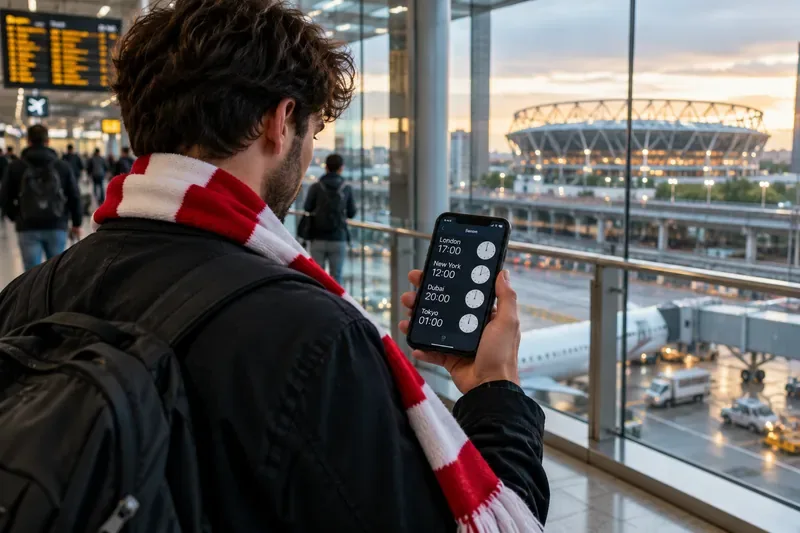
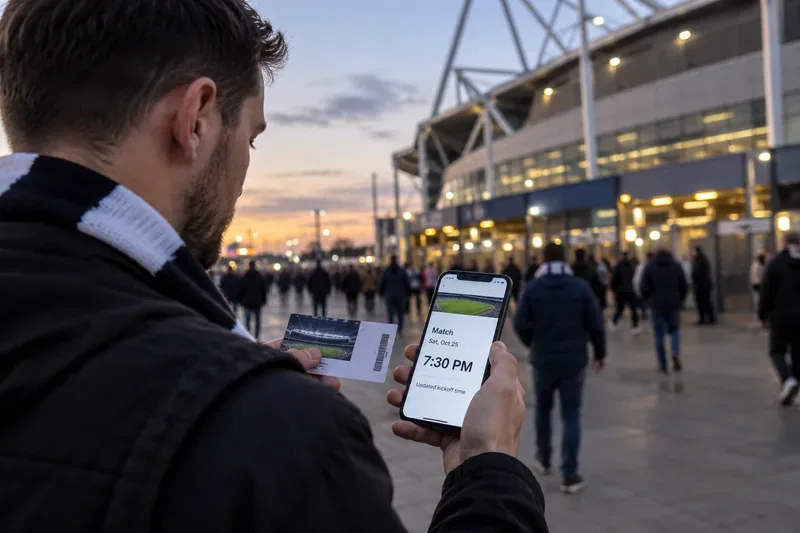
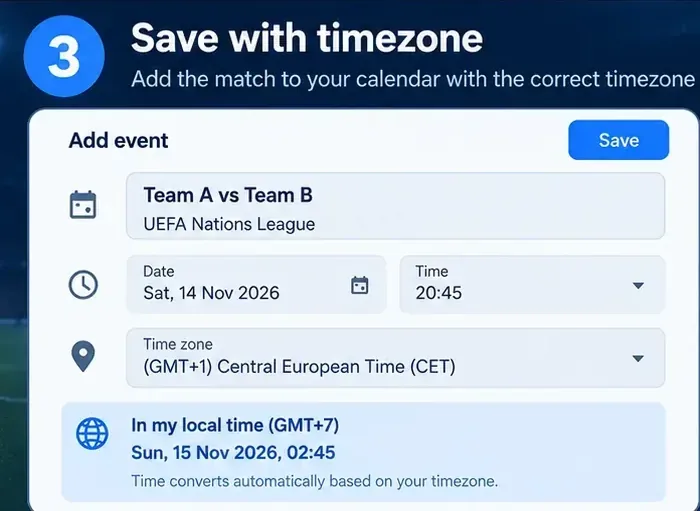
Start with the official UEFA Nations League fixtures and results page. Confirm the date, teams, and kick-off time, then check the host national association’s match page and the ticket account where your ticket was issued. Match listings may display times in a stated time zone, so convert the kick-off to the local time at the venue before buying transport. If the match page and ticket confirmation differ, contact the ticket issuer before traveling.
Record the stadium’s full name and street address, not only the city. A host association can stage international matches at a ground different from the national team’s usual home stadium. Search the exact address in the local transport operator’s journey planner, then identify the nearest usable station or transit stop. Also check whether the assigned away-supporter entrance is on a different side of the ground from the main public entrance.
2. Watch for a venue or schedule change
UEFA’s 2026/27 Nations League regulations provide for a change to the venue, stadium, date, or kick-off time if a match may not be playable as scheduled, including because of pitch, infrastructure, safety, organization, or weather concerns. The UEFA administration decides whether to make a change. A new venue can alter your whole route—even if it remains in the same metropolitan area—so treat the stadium address as a detail to recheck, not a one-time booking fact. See Article 23 of the current Nations League regulations.
Use a simple update routine:
- Turn on email or app alerts from the ticket seller and the host association, if offered.
- Check the UEFA match page, the host association’s match page, and the stadium’s official account again before travel.
- After any change, confirm whether the ticket remains valid, whether a new ticket or entry instruction is required, and whether the away-fan entrance or meeting point has moved.
- Recalculate the station-to-stadium route and the trip back to your overnight stop or departure station. Do not assume a previous rail ticket covers a new route or time.
The regulations explain who can decide a schedule or venue change; they do not promise that every traveler will receive a personal alert. Keep a screenshot or saved copy of the latest official match details and ticket instructions, but use current official information if it conflicts with an older copy.
3. Separate border entry from stadium entry
There are two different permission checks. Border entry depends on your citizenship, residence status, route, and the destination country’s current rules. Stadium entry depends on your ticket and the organizer’s match-day conditions. A match ticket does not grant permission to cross a border, and a valid passport does not guarantee admission through a particular turnstile.
Before booking, check passport validity, visa requirements, transit-country rules, and any required travel authorization with the destination country’s immigration authority or embassy. If the trip involves the Schengen Area, the European Commission’s Schengen visa guidance explains the common short-stay framework, but individual requirements still depend on the traveler and itinerary. Check the official authority for the specific country and your nationality; rules can change.
For stadium entry, follow the ticket’s exact instructions. Check whether the ticket is mobile-only, whether the phone must have an internet connection, whether the account holder’s name must match an identity document, and which identification is accepted. Do not assume a screenshot, forwarded ticket, or resale ticket will scan. Read the host stadium’s current prohibited-items and bag-size rules; these vary by venue and can be stricter than ordinary event rules. Carry only what the official list allows, and keep your ticket and identity document accessible without displaying sensitive information in public.
UEFA’s safety rules call for the host association to pass visiting supporters practical information such as visa requirements, arrival-point distances, emergency contacts, stadium access routes, public transport, and local match-related laws. Look for the host association’s away-supporter guide or ask your own national association where it is published. UEFA’s information requirements for visiting supporters describe the kinds of details associations should provide.
4. Buy the right ticket through the right channel
Begin with your national football association’s official away-ticket process. UEFA’s 2026/27 regulations require host associations to make at least 5% of UEFA spectator capacity available to visiting supporters, subject to the competition’s safety and security framework. That rule does not mean every away supporter can buy a ticket on match day or from any seller. Each association sets its application process, deadlines, eligibility checks, delivery method, and collection instructions. Confirm the allocation and sales details on the relevant association’s official ticket page. The current rule is in Article 40, visiting-team tickets.
Save the ticket confirmation, payment record, and customer-service contact offline. If a ticket is transferred, verify the process with the official seller and complete it before leaving home. Avoid buying from an unverified social-media account or assuming that a ticket for a home section is appropriate for away supporters; some venues separate fan groups and can refuse entry under their conditions.
5. Plan the outward trip with the stadium exit in mind
Find the stadium’s official directions to the away sector and note the closest rail or transit stop that will actually serve your route after the match. A nearby station may have one-way match-day arrangements, crowd controls, closed entrances, or a long queue. Compare more than one station or route if the local operator offers alternatives. Check the last train from the relevant station, not simply the final departure from the city’s main terminal.
For rail travel, use the operator or national journey planner for the country where you will travel. Check the timetable for the exact date, engineering work, strikes or planned disruption, reservations, ticket restrictions, and the last service that connects all the way to your destination. If you are traveling in Great Britain, National Rail’s journey planner provides scheduled journey information, while its status and disruptions page lists current service changes. Elsewhere, use the relevant country’s official rail operator rather than applying a British timetable or ticket rule.
6. Make the last-train plan realistic
Do not plan as if the final whistle and the train platform are the same moment. Allow time for stoppage time, leaving your section, any crowd-management hold, walking to the stop, queues, ticket gates, and a missed connection. These delays vary by stadium and match, so do not use a generic number as a guarantee. Check whether the return train requires a seat reservation or a specific ticket, and whether the ticket is valid on a later service if you miss the planned departure.
Write down three options before match day: the preferred return service, the next viable service, and a fallback that does not depend on catching a train after the match. Depending on the city, a fallback could be an earlier train to an overnight base, a licensed taxi rank, a prebooked coach, or a confirmed place to stay. Confirm the local authority’s or transit operator’s rules for late-night services and designated pick-up locations. Keep enough phone battery for your ticket and route, and store the hotel address, emergency contact, and station directions offline.
Example: Imagine your route planner shows one late train from the stadium area and a tight connection at a transfer station. Treat that as a fragile plan. Check whether the same ticket permits a later departure, identify the next service before kickoff, and decide where you will stay if the connection is missed. This example illustrates a planning method; it is not a timetable for a particular city or match.
Match-day self-check
- Does the official fixture page still show the same date, local kick-off time, and stadium address as your ticket?
- Have you confirmed country entry and transit requirements for every traveler, not only the ticket holder?
- Do your ticket, identity document, phone, and bag comply with the current instructions for the away entrance?
- Have you checked the exact-date train timetable, disruption notices, final connection, and what happens if you miss it?
- Can you reach a safe overnight or onward-travel option without depending on an unverified last train?
If one answer is no, resolve it before departure or change the travel plan. Check official sources again on the day, because venue notices, transit service, and border requirements are controlled by different organizations and can change on different timelines. This checklist helps organize those checks; it cannot guarantee entry, a specific train connection, or that a match will go ahead as scheduled.