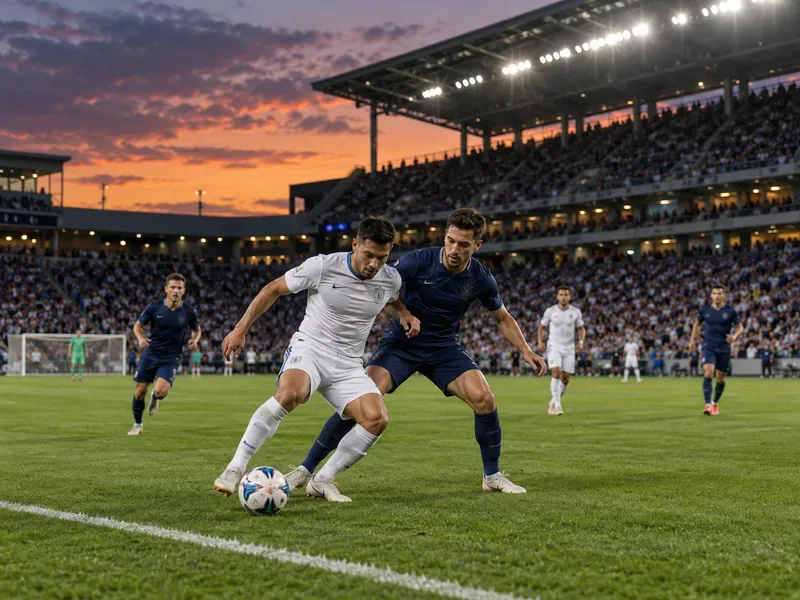
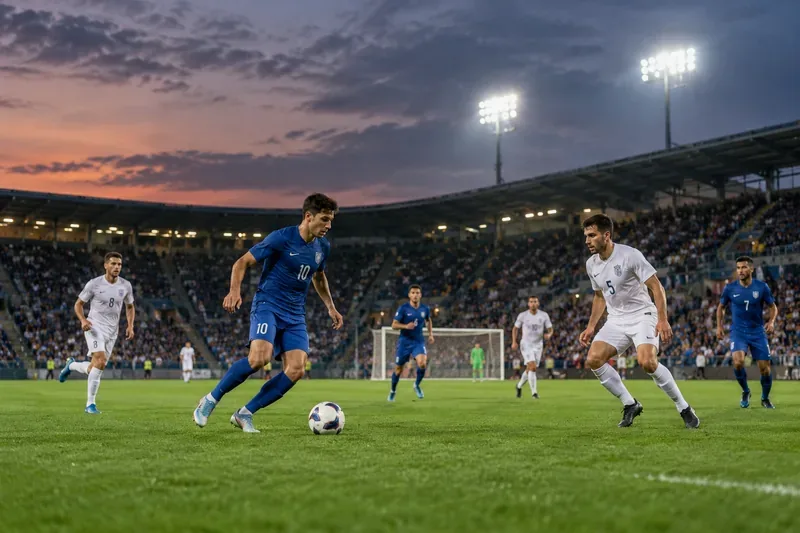
Get ready for a football spectacle unlike any before! The FIFA World Cup 2026, hosted across the vast landscapes of the USA, Canada, and Mexico, marks a monumental shift in the history of the sport. For the first time ever, the world's most prestigious football tournament will expand to include 48 teams, promising more matches, more nations, and more unforgettable moments. But what exactly does this new World Cup format entail? Let's dive deep and decode the changes!
A Historic Leap: From 32 to 48 Teams
For decades, the World Cup has captivated billions with its 32-team structure, culminating in an intense knockout stage. However, FIFA's decision to expand to 48 teams for 2026 reflects a desire for greater global inclusivity and increased revenue. This expansion opens the doors for more nations to experience the magic of the World Cup, potentially leading to diverse narratives and surprising underdog stories.
The New World Cup Structure: 12 Groups and a Larger Knockout Stage
The most significant change in the World Cup 2026 format is the restructuring of the group stage. Instead of eight groups of four, we will now see:
- 👉 12 groups of four teams each. This structure maintains the traditional four-team group size, which FIFA believes offers the best competitive balance.
Advancement from the Group Stage: A New Dynamic
With 12 groups, the progression to the knockout rounds becomes a bit more intricate:
- The top two teams from each of the 12 groups will automatically advance.
- Additionally, the eight best third-placed teams across all groups will also qualify for the knockout stage.
This "best third-placed" system adds an extra layer of tension to the final group stage matches, as teams will not only fight for the top two spots but also for a chance to be among the elite third-place qualifiers. It means fewer "dead rubber" matches and more excitement throughout the preliminary rounds.
![Football players in action]()
The Extended Knockout Rounds: Introducing the Round of 32
Perhaps the most exciting evolution in the tournament format is the introduction of a new knockout round. With 32 teams progressing from the group stage, the World Cup 2026 will feature a:
- 🌟 Round of 32
- Followed by the traditional Round of 16, Quarter-finals, Semi-finals, and the Grand Final.
This means an extra knockout match for teams to navigate, increasing the number of high-stakes encounters and the overall duration of the tournament. The tournament is projected to run for approximately 39 days, a slight increase from the typical 32 days of previous editions.
Key Numbers for the World Cup 2026 Format:
| Feature |
2022 World Cup (32 Teams) |
2026 World Cup (48 Teams) |
| Number of Teams |
32 |
48 |
| Number of Groups |
8 (of 4 teams) |
12 (of 4 teams) |
| Group Stage Matches |
48 |
72 |
| Knockout Stage Teams |
16 (Round of 16) |
32 (Round of 32) |
| Total Matches |
64 |
104 |
| Max Matches for Finalists |
7 |
8 |
| Tournament Duration (approx.) |
32 days |
39 days |
Impact and Implications of the Expanded World Cup
The shift to 48 teams brings both excitement and scrutiny. From a positive perspective:
- 🌎 Increased Global Representation: More countries from Asia, Africa, and CONCACAF will have a realistic shot at qualifying, truly making it a global festival.
- 💰 Economic Boost: More matches mean more ticket sales, broadcasting rights, and tourism, translating to significant revenue for FIFA and the host nations.
- 🤩 Enhanced Fan Engagement: Fans from more nations will be able to follow their teams on the biggest stage.
![World Cup trophy]()
However, there are also challenges to consider:
- fatigued players after an even longer season and tournament.
- dilution of quality in the group stage, though the "best third-placed" rule aims to mitigate this.
- ✈️ logistical complexities for host nations managing an increased number of teams and matches across three countries.
The Road Ahead: Get Ready for North America 2026!
The FIFA World Cup 2026 is set to be a groundbreaking event, not just for its expanded team count but also for its unique hosting arrangement across three nations. The new World Cup format promises an unprecedented scale of competition and a truly global celebration of football.
Conclusion: An Unprecedented Chapter in World Cup History
The World Cup 2026 format is a bold step into the future, transforming the tournament into an even more inclusive and expansive event. The journey from 32 to 48 teams, with 12 groups and an extended knockout stage, will undoubtedly bring new dynamics, challenges, and moments of sheer footballing brilliance. Prepare yourselves for a truly historic and exhilarating tournament in North America!