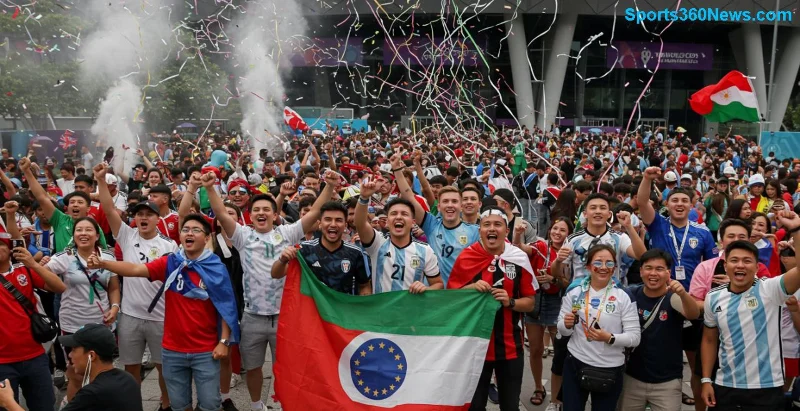
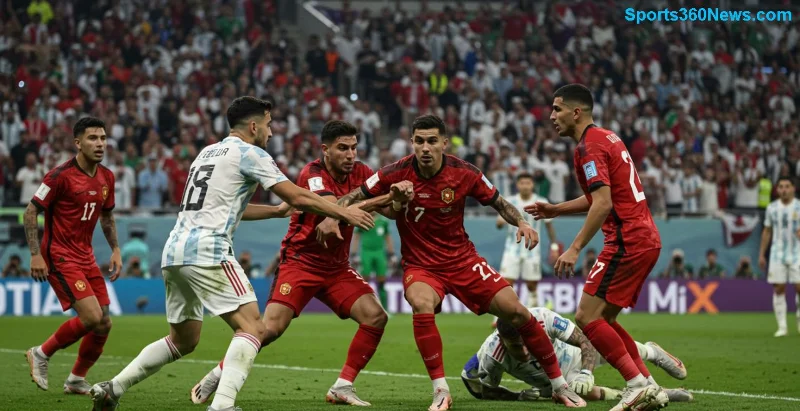
The echoes of Argentina's triumphant 2022 FIFA World Cup victory are still fresh, with Lionel Messi finally lifting the coveted trophy, solidifying his status as the greatest of all time. Yet, as the calendar pages turn towards 2026, a new question looms large in the minds of football fans worldwide: Will the next World Cup be the final curtain call for "La Pulga"? With the tournament set to be hosted across the USA, Canada, and Mexico, Messi will be 39 years old. This article dives deep into the factors that could determine the future of this living legend on the grandest stage.
The Age Factor: Can Messi Defy Time at 39?
Age is often the most significant adversary for any elite athlete, and football is no exception. At 39, the physical demands of a gruelling World Cup campaign are immense. While Messi has always relied more on his unparalleled skill, vision, and footballing IQ rather than sheer pace, the rigours of international football take a toll. Recovery times lengthen, and the explosive bursts that define his game become harder to sustain.
However, Messi has consistently demonstrated an extraordinary ability to adapt his game. His move to Inter Miami has shown a player who can still dominate, even in a slightly less demanding league, by dictating play and providing moments of magic. The key question isn't just about his fitness, but whether he can maintain the elite physical conditioning required to compete at the very peak of international football against opponents often a decade younger. Consider the example of Cristiano Ronaldo, who played at 37 in the 2022 World Cup, showing that veterans can still contribute, though often in more specialized roles.
Motivation and Legacy: What More Is There to Win?
Having finally secured the World Cup, the one major trophy that eluded him, Messi's primary footballing goal has been achieved. What then, would motivate him to endure another four years of international commitments, qualifiers, and the pressure cooker environment of a World Cup?
For a player of Messi's calibre, motivation extends beyond trophies. It could be the pure joy of playing, the opportunity to inspire a new generation, or simply to add another chapter to his already unmatched legacy. The idea of defending a World Cup title, an incredibly rare feat, could be a powerful driving force. Furthermore, the 2026 tournament being held in North America, a region where his presence with Inter Miami has ignited a football frenzy, might offer a unique appeal for one final spectacle.
![Lionel Messi with Argentina teammates]()
Argentina's Transition: A Post-Messi Era?
The Argentina National Team has undeniably been built around Messi for nearly two decades. His presence elevates the entire squad. However, a successful transition plan must be in place, regardless of his 2026 participation. Young talents like Enzo Fernández, Julian Álvarez, and Mac Allister are already stepping up, showcasing a promising future for the Albiceleste.
If Messi does play in 2026, his role might evolve. Instead of playing every minute of every game, he might be utilized more strategically, perhaps as an impact substitute or a central figure for specific matches, conserving his energy for crucial moments. This "super-sub" or "wise veteran" role could allow him to extend his international career while paving the way for the next generation. The focus would shift from him being the sole protagonist to a guiding force, sharing the burden with emerging stars.
The Precedent of Legends: How Do Greats Retire?
Examining how other footballing legends have approached their twilight years can offer insights. Some, like Pelé, retired from international football relatively early, while others, like Paolo Maldini or Zlatan Ibrahimović, continued well into their late 30s or even 40s at club level, albeit with varying degrees of international participation. The decision is highly personal and depends on health, desire, and the needs of the national team.
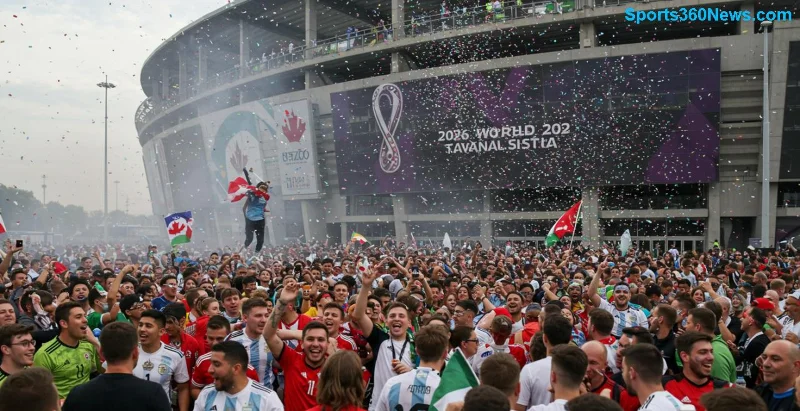
What sets Messi apart is his consistent level of performance even at an advanced age. He is not merely a figurehead; he remains a decisive player. His commitment to fitness and his deep understanding of the game allow him to compensate for any marginal decline in physical attributes. The World Cup 2026 represents a unique opportunity for him to perhaps say a final farewell on a North American stage, bringing his career full circle after playing professionally in the region.
![Lionel Messi looking thoughtful on the field]()
Conclusion: A Glimmer of Hope for One Last Bow?
Predicting Lionel Messi's future is a perilous task, as he has often defied expectations. While the physical challenge of playing a World Cup at 39 is undeniable, his enduring passion, strategic adaptation, and the allure of defending a title make his participation in World Cup 2026 a distinct possibility. It might not be the same all-action Messi we saw in 2014 or even 2022, but a wiser, more calculated version, capable of turning games with a single stroke of genius. Whether it's his final hurrah or a cameo appearance, one thing is certain: if Messi steps onto the pitch in 2026, the footballing world will stop and watch. Until then, we can only anticipate the decision of "La Pulga", hoping for one more dance from the greatest showman of our generation. ⚽