Home
» ⚾ Baseball
»
How Home-Field Advantage Is Decided in Every Round of the 2026 MLB Playoffs
How Home-Field Advantage Is Decided in Every Round of the 2026 MLB Playoffs
How Home-Field Advantage Is Decided in Every Round of the 2026 MLB Playoffs
For the 2026 MLB playoffs, postseason seed decides home-field advantage from the Wild Card Series through the League Championship Series. The World Series uses a different test: the pennant winner with the better regular-season winning percentage hosts first. So the answer depends on the round, not just which team won more games.
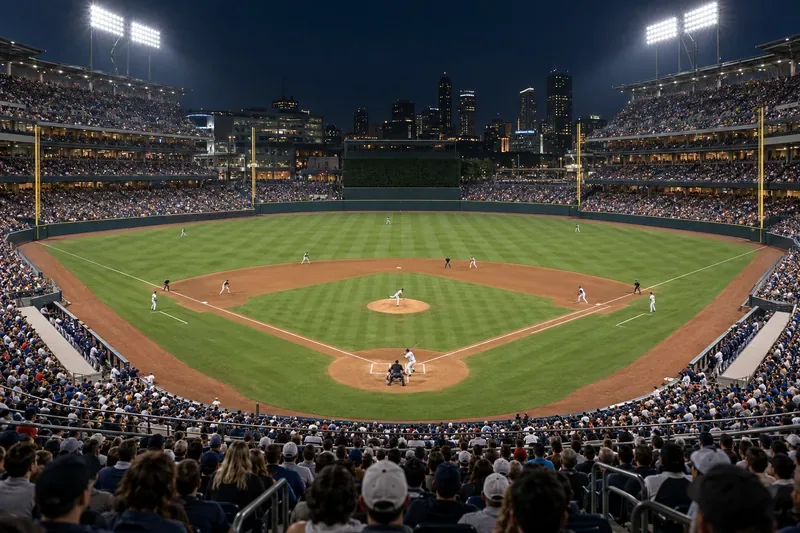
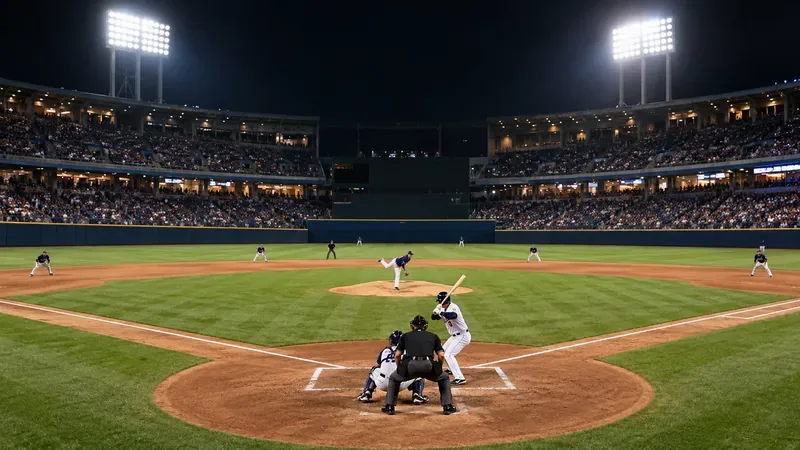
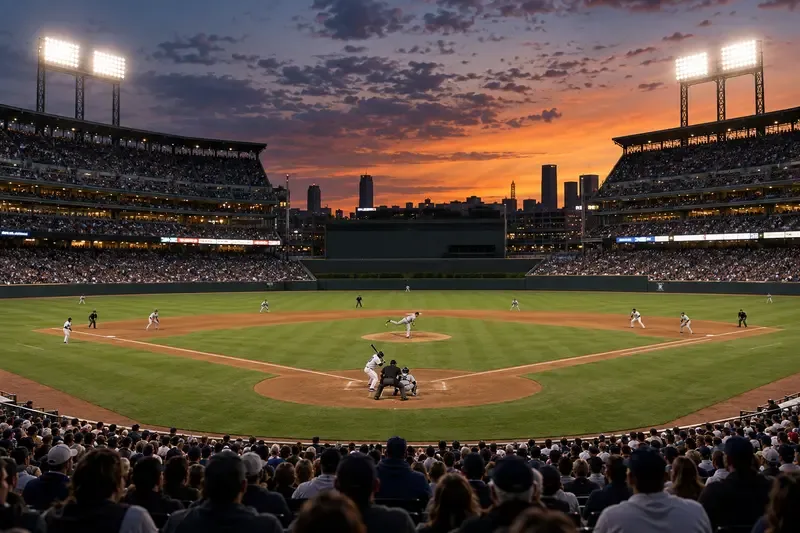
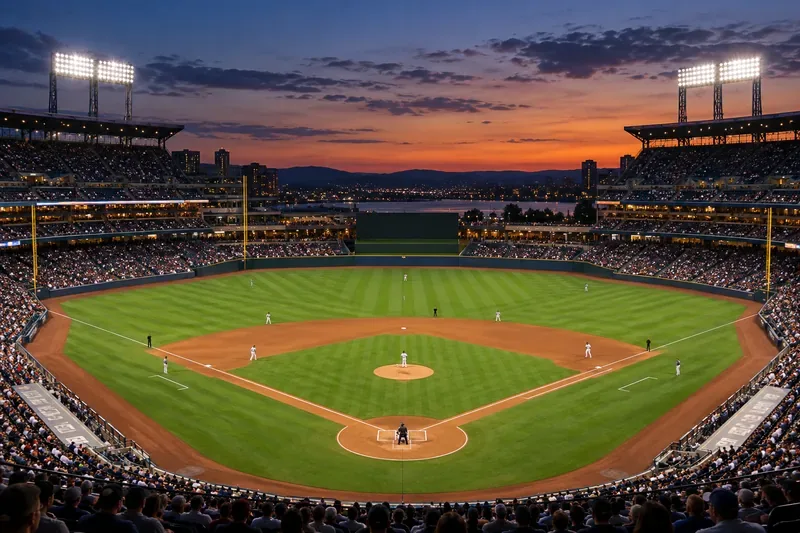
A packed ballpark at night illustrates the home setting; MLB assigns postseason venues according to the round and its hosting rule.
The quick reference below shows who hosts and how the sites are split. In baseball, the home team bats last in each game played at its park, but home-field advantage does not guarantee a series win.
2026 MLB playoff home-field rules at a glance
Round
Format
Who gets home field?
Home games for that team
Wild Card Series
Best of 3
Higher seed
Games 1, 2 and 3, if necessary
Division Series
Best of 5; 2-2-1
Higher seed
Games 1, 2 and 5, if necessary
League Championship Series
Best of 7; 2-3-2
Higher seed
Games 1, 2, 6 and 7, if necessary
World Series
Best of 7; 2-3-2
Better regular-season winning percentage
Games 1, 2, 6 and 7, if necessary
MLB’s official postseason format guide confirms the seed-based rules through the LCS and the regular-season record rule for the World Series.
Wild Card Series: the higher seed hosts all three games
Each league sends six clubs to the bracket: three division winners and three Wild Card teams. The No. 1 and No. 2 seeds receive a bye to the Division Series. The No. 3 seed plays No. 6, while No. 4 plays No. 5 in a best-of-three Wild Card Series.
The higher seed hosts every game in its matchup, including a deciding Game 3 if the series is tied 1-1. There is no mid-series trip to the lower seed’s park. In the 2026 bracket, MLB listed the Astros as the AL No. 3 seed hosting the White Sox, the Yankees as No. 4 hosting the Red Sox, the Braves as the NL No. 3 seed hosting the Phillies, and the Padres as No. 4 hosting the Cubs. Those pairings are set by the bracket; check MLB’s 2026 playoff bracket for the official seed list.
This is the round in which the value of a higher seed is simplest to see: it gets all the home dates, avoids travel during the series and bats last in every game at its ballpark. The lower seed has no scheduled home game.
Division Series: the higher seed hosts Games 1, 2 and 5
The Division Series is a best-of-five played in a 2-2-1 pattern. The higher seed opens at home for Games 1 and 2. The series then moves to the other club for Games 3 and 4, if needed, before returning to the higher seed for a decisive Game 5.
The bracket does not reseed after the Wild Card round. The No. 1 seed faces the winner of the No. 4-versus-No. 5 series; the No. 2 seed faces the winner of No. 3 versus No. 6. That means a club does not get reassigned based on the Wild Card winner’s regular-season record.
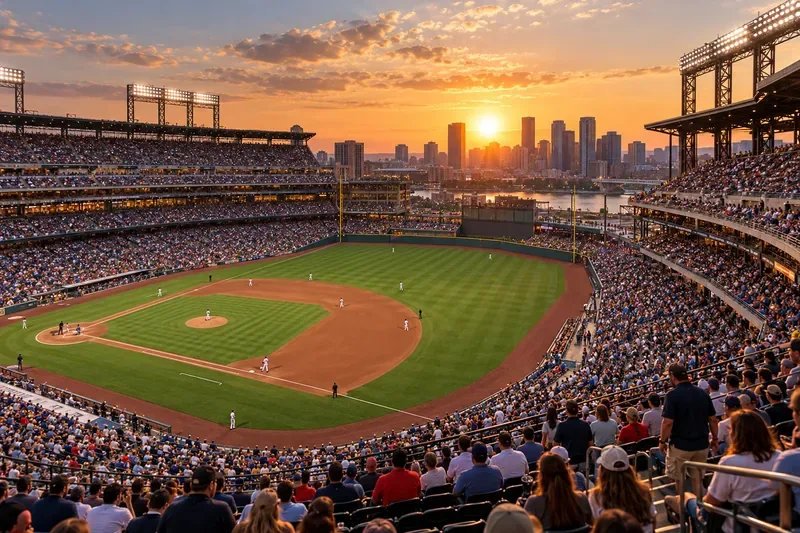
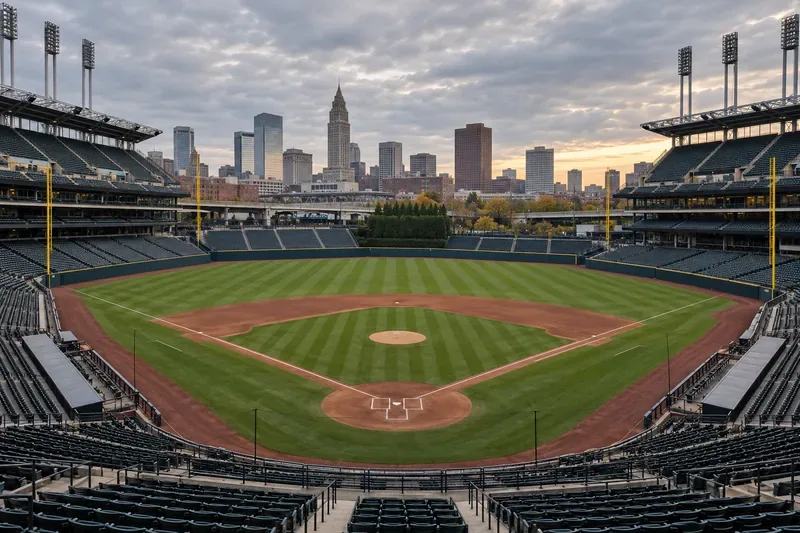
A full ballpark at sunset; in a 2-2-1 Division Series, the venue changes after the first two games and can return to the higher seed for Game 5.
For fans planning travel or comparing ticket inventory, “higher seed” tells you which park gets Games 1 and 2 and the potential finale. It does not mean that club hosts the entire series.
ALCS and NLCS: seeding still controls home field
The League Championship Series is a best-of-seven in a 2-3-2 format. The higher seed hosts Games 1 and 2, the opponent hosts Games 3 through 5, and the higher seed hosts Games 6 and 7 if the series lasts that long.
Here, higher seed and “better regular-season record” are not interchangeable. The three division champions occupy seeds 1 through 3, ahead of the Wild Card clubs at seeds 4 through 6. A Wild Card team can therefore have a stronger regular-season record than a division winner and still be the lower seed. Through the LCS, use the bracket’s seed numbers to identify the host; do not compare total wins alone.
MLB’s final 2026 bracket shows the season’s seeds and fixed paths. The postseason format guide also confirms that the Division Series is not reseeded and that the higher seed has LCS home-field advantage.
World Series: regular-season winning percentage takes over
The World Series also uses a 2-3-2 schedule, but seeding no longer decides the host. The league champion with the better regular-season winning percentage hosts Games 1 and 2, then Games 6 and 7 if necessary. The opponent hosts Games 3, 4 and 5.
This rule can reverse the home-site order from the LCS. A club may have been the lower seed in its league series and still host the first two World Series games if its regular-season percentage is higher than the opposing pennant winner’s. MLB’s current system has used regular-season winning percentage since 2017, replacing the former All-Star Game rule.
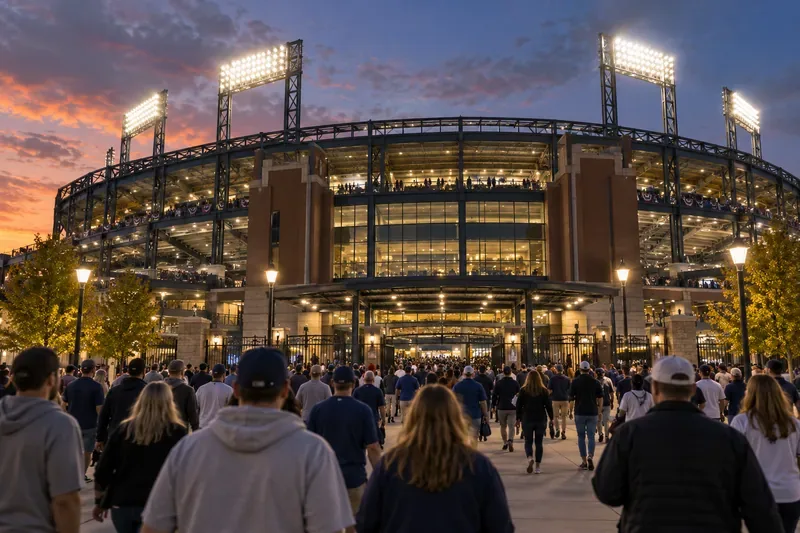
Fans arrive at a ballpark before a game; the World Series home team is selected by regular-season winning percentage, not by its league seed.
MLB’s Oct. 14, 2026 home-field preview ranked the four clubs then remaining by regular-season record: the Brewers at 103-59, Dodgers at 100-62, Rays at 98-64 and Guardians at 85-77. Those records illustrate the World Series rule: compare only the two eventual pennant winners. The team with the better percentage gets home field, regardless of whether it entered October as a division champion or Wild Card. See MLB’s 2026 World Series home-field update for the published ranking.
What if the World Series teams have identical records?
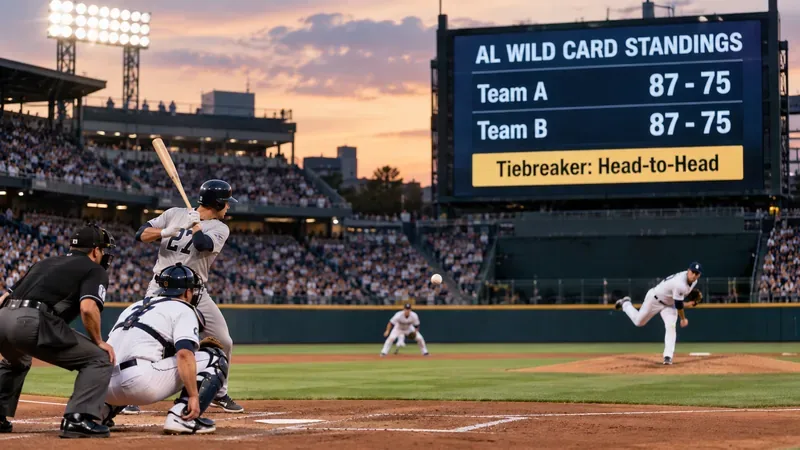
If the pennant winners finish with the same regular-season record, MLB uses its mathematical tiebreakers; there is no extra Game 163. Head-to-head record is first. If still tied, MLB’s sequence proceeds to intradivision and intraleague records, followed by later steps in its rules. The official MLB tiebreaker guide lists the full order.
How to tell who hosts a specific 2026 playoff game
Identify the round. Wild Card, Division Series and LCS use seed; the World Series uses regular-season winning percentage.
Check the official bracket. Confirm each club’s seed and matchup rather than ranking teams only by wins.
Apply the series format. Wild Card games all take place at the higher seed’s park; the Division Series is 2-2-1; the LCS and World Series are 2-3-2.
For the World Series, compare records. If percentages are tied, use MLB’s tiebreaker sequence.
The reliable shortcut is: seed decides home field through the LCS; regular-season winning percentage decides it in the World Series. Check the round first, then use the appropriate rule to find the venue and the games each club may host.