Home
» ⚾ Baseball
»
2026 World Series Game 3: Tampa Bay Rays vs. Milwaukee Brewers — Time, Pitching Matchup and How to Watch
2026 World Series Game 3: Tampa Bay Rays vs. Milwaukee Brewers — Time, Pitching Matchup and How to Watch
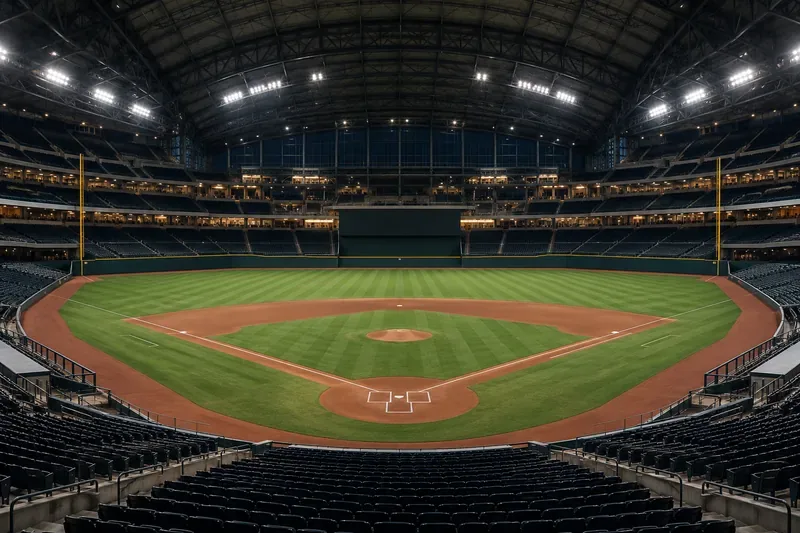
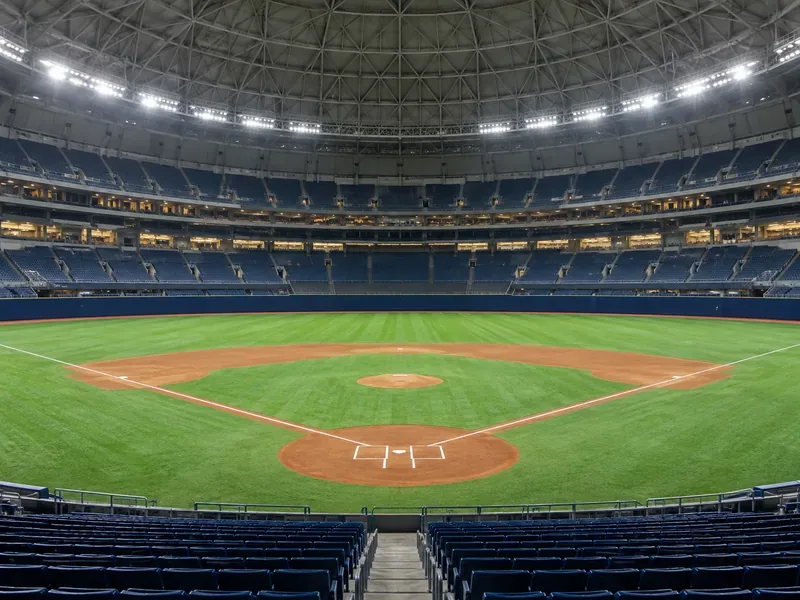
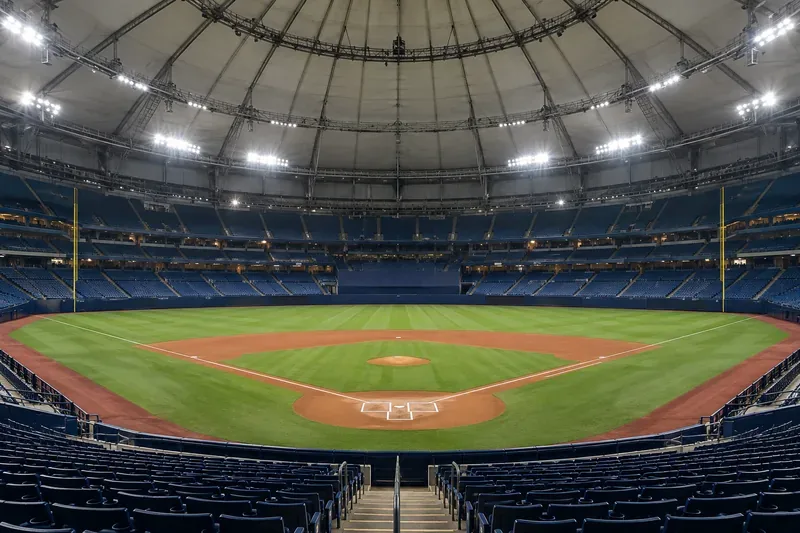
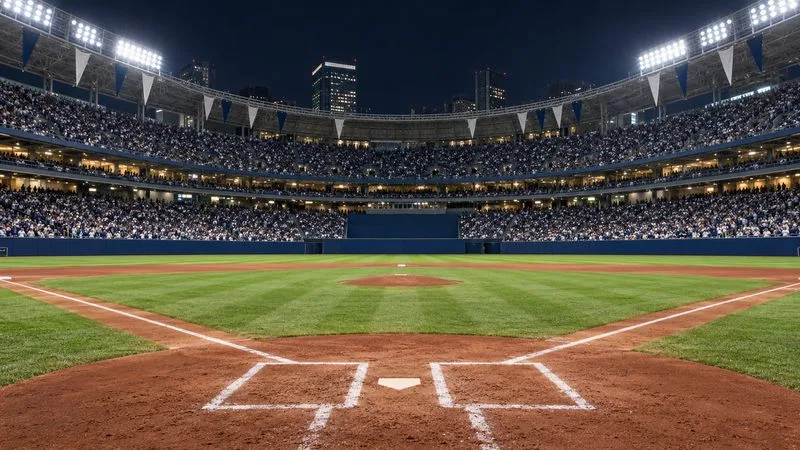
An empty indoor ballpark under the lights; this is a generic stadium scene, not a documentary image of Tropicana Field.
The 2026 World Series shifts to St. Petersburg for Game 3, with the Milwaukee Brewers leading the Tampa Bay Rays two games to none. Milwaukee won the opening game 3-2 and followed with a 5-4 comeback in Game 2. Those narrow scores give Tampa Bay a chance to change the series at home, but they also show how small defensive and pitching mistakes can decide a game between two strong clubs. Game 3 is scheduled for Monday, October 26, at Tropicana Field.
This is a pregame guide: the final score and confirmed starting lineups are not part of the schedule information below. The useful question for fans is not only who wins, but how the teams create or prevent scoring chances. Watch how long the starters hold the game, how each club handles runners in scoring position, and whether the defense turns routine plays into outs.
Game 3 time, venue and broadcast
First pitch is scheduled for 8:00 p.m. Eastern Daylight Time (EDT, UTC−04:00) on Monday, October 26, 2026, at Tropicana Field in St. Petersburg, Florida. That moment is 12:00 a.m. UTC on Tuesday, October 27. Florida is still observing daylight saving time on October 26, so the venue’s Eastern offset is UTC−04:00 on this date.
In the United States, the game is listed for national television on FOX and FOX Deportes, with streaming on FOX One. MLB says authenticated subscribers to participating pay-TV providers can also watch the FOX telecast through MLB.TV. Viewing rights differ outside the United States, so check the local broadcaster or MLB’s international listing rather than assuming the U.S. channel applies everywhere.
Why the series is 2-0 to Milwaukee
The Brewers have taken the first two games by a combined two runs: 3-2 in Game 1 and 5-4 in Game 2. The margins matter. Milwaukee has the lead, but neither game was a blowout, and one swing or one defensive play could have changed either result. MLB’s official schedule records both results.
Game 2 offered the clearest example of why a lead is not the same as control. Tampa Bay scored four runs in the first inning, then Milwaukee worked back into the game. Sal Frelick hit a game-tying home run in the sixth, and rookie shortstop Cooper Pratt delivered the go-ahead RBI single in the seventh. The Brewers’ 5-4 win put them two victories from a first World Series title. MLB’s Game 2 recap details the comeback.
That does not mean Milwaukee is certain to repeat the rally, or that Tampa Bay’s early offense will automatically return. It means the Rays need to turn good innings into enough runs, while the Brewers will try to stay close long enough for their offense and bullpen to matter late.
Probable pitchers and availability notes
MLB’s October 25 Game 3 preview lists right-hander Freddy Peralta for Tampa Bay against left-hander Robert Gasser for Milwaukee. Peralta joined the Rays after spending much of his career with the Brewers, making the matchup an unusual meeting with former teammates. MLB’s preview reported that Peralta had gone 7-0 with a 0.89 ERA over his last 10 games, including nine starts, since August 26. It listed Gasser at 2-0 with a 1.51 ERA in eight appearances over the same period and noted he had allowed one run across nine postseason innings in two starts. Those recent figures describe form; they do not guarantee what either pitcher will do in one game.
For Tampa Bay, the official preview said starter Shane McClanahan had been ruled out for the postseason and reported no other new notable Rays injury at that point. For Milwaukee, it described Brandon Woodruff’s availability as a question after he did not appear in Games 1 or 2. That wording is not a confirmation that he is unavailable for Game 3. Check MLB’s Game 3 preview and lineup page for any later roster or lineup change.
What to watch to judge the game
Starter command: Look beyond the first-inning score. Are Peralta and Gasser getting ahead in counts, limiting walks, and avoiding repeated traffic? A starter who gives up a run after a long at-bat and a runner on base may still be executing better than one who escapes several innings with hard contact and luck.
How Tampa Bay handles chances: In close games, advancing a runner and avoiding unnecessary outs can matter as much as a home run. MLB’s pregame coverage noted that the Rays had made costly mistakes in the field and given away outs in the first two games. Cleaner defense and better baserunning would be meaningful signs of adjustment.
Milwaukee’s response if it trails: The Brewers erased a four-run deficit in Game 2, but that comeback is evidence of what happened once, not a forecast. Track whether they keep putting runners on base and force Tampa Bay to use more pitchers, rather than judging them only by whether another late rally occurs.
Bullpen workload: MLB’s preview said Tampa Bay had Sunday off to rest its relievers. Milwaukee used Aaron Ashby for five outs in Game 2 while closer Trevor Megill did not pitch. With Games 3, 4 and 5 scheduled on consecutive nights, who is available and how many outs the starter records may shape the next game as well as this one.
A final score tells you who won; it does not explain every reason. For a fuller read, pair the result with walks, runners left on base, defensive errors, pitcher workload and whether the decisive runs came from repeatable pressure or one isolated play. A single World Series game is a small sample, so avoid treating one box score as proof that a team has solved the entire matchup.
What a Game 3 result would mean
The World Series is a best-of-seven contest, so a club must win four games to take the title. A Tampa Bay win would cut Milwaukee’s lead to 2-1 and put pressure back on the Brewers. A Milwaukee win would move the Brewers to the edge of a championship, but it would not clinch the series. Either way, Game 3 is a turning point in the schedule, not a final verdict on the season.
For the official box score, confirmed lineups, and any game-day updates, use MLB Gameday for Brewers at Rays. It is the clearest place to distinguish the scheduled matchup from the final result once the game is complete.