Home
» ⚽ Football
»
Can a Suspended Player Appear in the Next Nations League Match? How to Verify Eligibility
Can a Suspended Player Appear in the Next Nations League Match? How to Verify Eligibility
First answer: an active suspension means no appearance
If a player has an active suspension that applies to the next UEFA Nations League match, the player cannot appear in that match. The practical question is whether the ban is still active, what kind of incident triggered it, and which fixture counts as the next match in the competition. A single yellow card does not automatically mean a ban; a red card or an accumulated-card threshold can.
Illustrative example (fictional): Noah, a defender for an unnamed national team, is dismissed in one Nations League match and the team has another Nations League fixture coming up. Maya, the team’s fictional analyst, needs to decide whether Noah can be included. The steps below follow her checks. This is a made-up scenario, not a report about a real player or team.
Step 1: Identify the exact card or disciplinary event
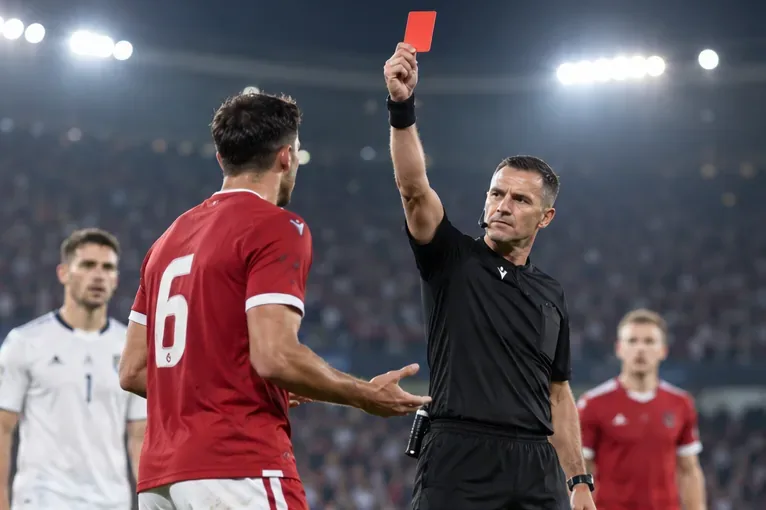
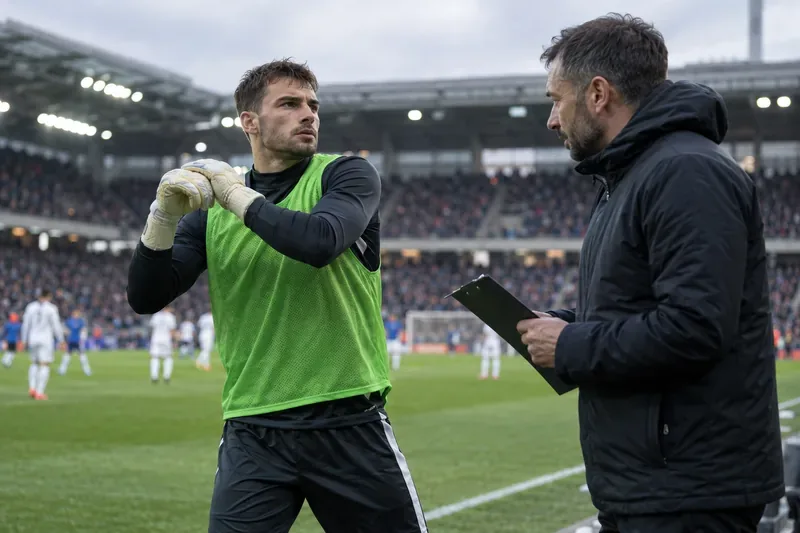
Step 1: A dismissal is a clear starting point for checking whether the next-match ban applies.
Maya first checks the official match report and timeline to establish what happened to Noah. A player shown a red card is normally automatically suspended for the next match in the competition. A serious offence can lead UEFA’s disciplinary bodies to extend the punishment, including to other competitions. So the dismissal creates an immediate presumption of a ban, while any later disciplinary decision may add conditions or matches.
Accumulated yellow cards are a separate route. In the 2026/27 Nations League league phase, the competition regulations suspend a player for the next competition match after a second yellow card, and again after any later even-numbered yellow card, such as the fourth or sixth. One yellow on its own is not the same as an accumulation ban. Two yellows shown in one match result in a dismissal; check the red-card rule as well as the player’s previous cautions rather than treating the incident as just a routine booking.
These rules are specific to the current edition. UEFA’s 2026/27 Nations League Article 60 states the automatic-suspension and league-phase accumulation rules. The regulations took effect on September 15, 2026.
Step 2: Match the suspension to the right competition and phase
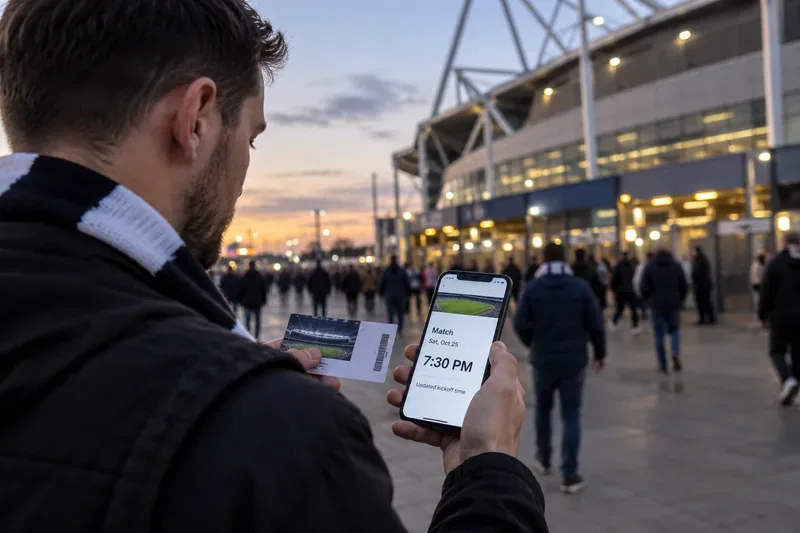
Step 2: Review the official match record and identify the competition and phase tied to the incident.
“Next match” is easy to misread. UEFA’s rule refers to the next match in the competition. A club fixture, friendly or match in a different tournament is not automatically the Nations League match that serves a Nations League ban. Maya therefore writes down the card date, the specific 2026/27 Nations League phase, and the team’s next scheduled fixture in that same competition.
She also checks whether the player was sent off for a second yellow in the same game, shown a direct red, or later received a separate disciplinary sanction. A red-card suspension can be increased for serious misconduct. UEFA’s Disciplinary Regulations list standard sanctions for conduct such as serious rough play, assault, insulting an official, or deliberately seeking a card, and allow the disciplinary body to adjust a suspension in the circumstances of a case. The exact decision matters more than a headline saying only “banned.”
Use the season’s competition regulations alongside any later case-specific UEFA notice. Do not carry over assumptions from another sport, a domestic league, a previous Nations League edition or a club competition: card thresholds and reset points can differ.
Step 3: Check the official booking list, but read its limits
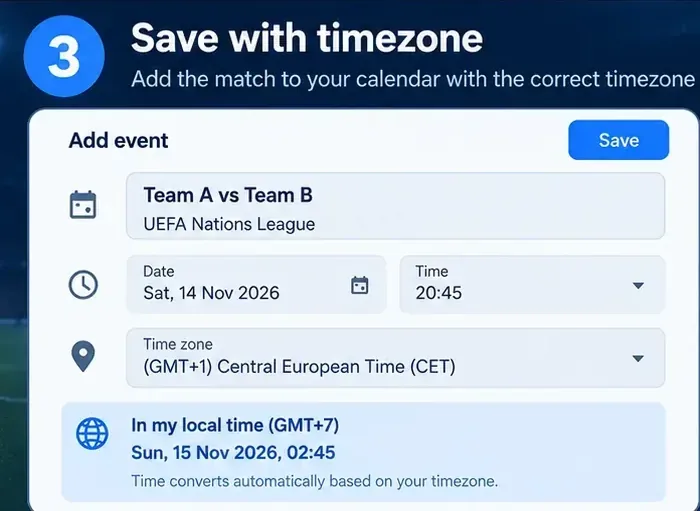
Step 3: Compare the incident with the next Nations League fixture and the player’s recorded disciplinary status.
Maya checks UEFA’s current booking list for the matchday. UEFA’s disciplinary documents page says these lists show each team’s status, including player and staff suspensions and those within one yellow card of an automatic ban. The list is a useful way to cross-check an accumulated-card count or see a suspension marker.
But the list comes with an important warning. UEFA labels the booking list as an information document for the press with no legal value. If it conflicts with correspondence sent directly to the competing teams, UEFA says that correspondence is authoritative. The list also notes that players registered after its stated date may not appear. Therefore, Noah’s name missing from a public list is not proof that he is eligible, and a stale list should not overrule a later formal decision.
For an October 2026 check, open the most recent Nations League booking list for the relevant matchday and verify its date and group coverage. UEFA updates the official booking-lists page; a specific PDF may cover only certain groups or the next matchday. Also search UEFA’s disciplinary updates and decisions for any additional sanction, appeal outcome or extension that affects the player.
Step 4: Confirm whether the ban has been served
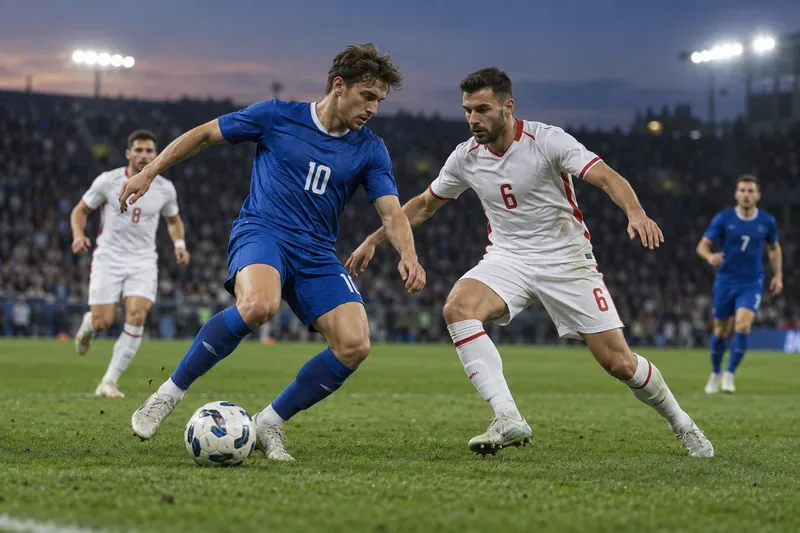
Step 4: Before kickoff, cross-check the final team sheet and any later UEFA notice.
Next Maya checks the sequence of fixtures since Noah’s suspension was triggered. If his team has not yet played the next Nations League match that counts toward the ban, assume he remains unavailable. Do not infer that a ban disappeared because the player was left out through injury, was not selected, or played a friendly. Where a fixture was abandoned, forfeited or otherwise treated unusually, check the applicable regulation and case-specific decision instead of guessing how service was counted.
Yellow-card records have defined reset points: under Article 60, cautions that have not resulted in a suspension, and pending yellow-card suspensions, expire on completion of the quarter-finals; all yellow cards and pending yellow-card suspensions expire when a team’s involvement in the competition ends. That timing can matter when a ban arises late in a group phase or around a later round. A direct red or an added disciplinary sanction should be checked against its actual decision rather than assumed to follow every yellow-card reset rule.
For Noah, Maya records whether the next applicable Nations League match has already taken place and whether any ban remains. If there is uncertainty about the fixture sequence or an exceptional decision, she asks the association’s competition liaison to confirm directly with UEFA. Public reports can support the check, but they do not replace authoritative correspondence.
Step 5: Check the match sheet close to kickoff
UEFA’s Nations League regulations require each team to confirm up to 23 players on its match sheet. The association official submits it at least 75 minutes before kickoff, and the sheets are exchanged no earlier than that point. Check UEFA’s official match page for the published squad or lineup once it is available, then compare that information with the booking list and disciplinary updates.
A player appearing on a public squad page is useful confirmation of selection, not a public ruling that resolves a disputed suspension. UEFA’s competition rules say the UEFA administration decides player-eligibility questions; challenged decisions go to UEFA’s disciplinary bodies. That is why the best public process is to check official records and rules, then rely on direct team-to-UEFA confirmation if those sources conflict.
For Noah, Maya’s final answer is conditional until the match sheet is submitted: if the applicable suspension has not been served or formally changed, he must not be listed or play. If the ban has been served and no additional order applies, he may be considered, subject to the other eligibility requirements.
A quick verification checklist
Confirm the event: one yellow, a second yellow in the same match, a direct red, or a separate UEFA sanction.
Read the 2026/27 Nations League rule for the relevant phase; league-phase yellow accumulation triggers a ban after the second, fourth, sixth and later even-numbered yellow.
Identify the next fixture in the same competition, then establish whether that match has been played and counted toward the ban.
Check the latest UEFA booking list, its date, the groups it covers and its glossary; remember it is informational, not legally authoritative.
Search UEFA disciplinary decisions for an extension, appeal or later ruling.
Check the official match sheet or match-center lineup near kickoff. If public records conflict or the sanction is disputed, ask the association to verify directly with UEFA.
Bottom line for the fictional example: Noah cannot play in the next Nations League match if the dismissal suspension still applies to that fixture. Maya should not treat a missing name from a public list, an old article or a preliminary squad announcement as final clearance.
Rules checked against the 2026/27 UEFA Nations League regulations (in force September 15, 2026) and UEFA’s disciplinary documents available September 30, 2026. A specific player’s status can change after publication; check the latest UEFA documents and case-specific notice for the match in question.